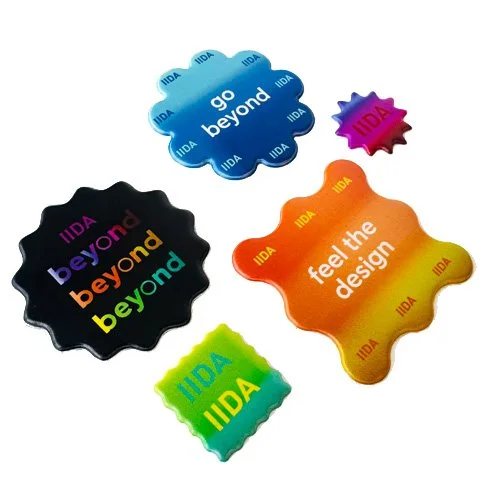
The science in design.
Research in psychology and neuroscience suggests that color can affect mood, attention, and behavior.
Sector: Design and Architecture Discipline: Branding, Design Systems & Strategy, Environmental, Print Design, Motion, Digital, Wayfinding
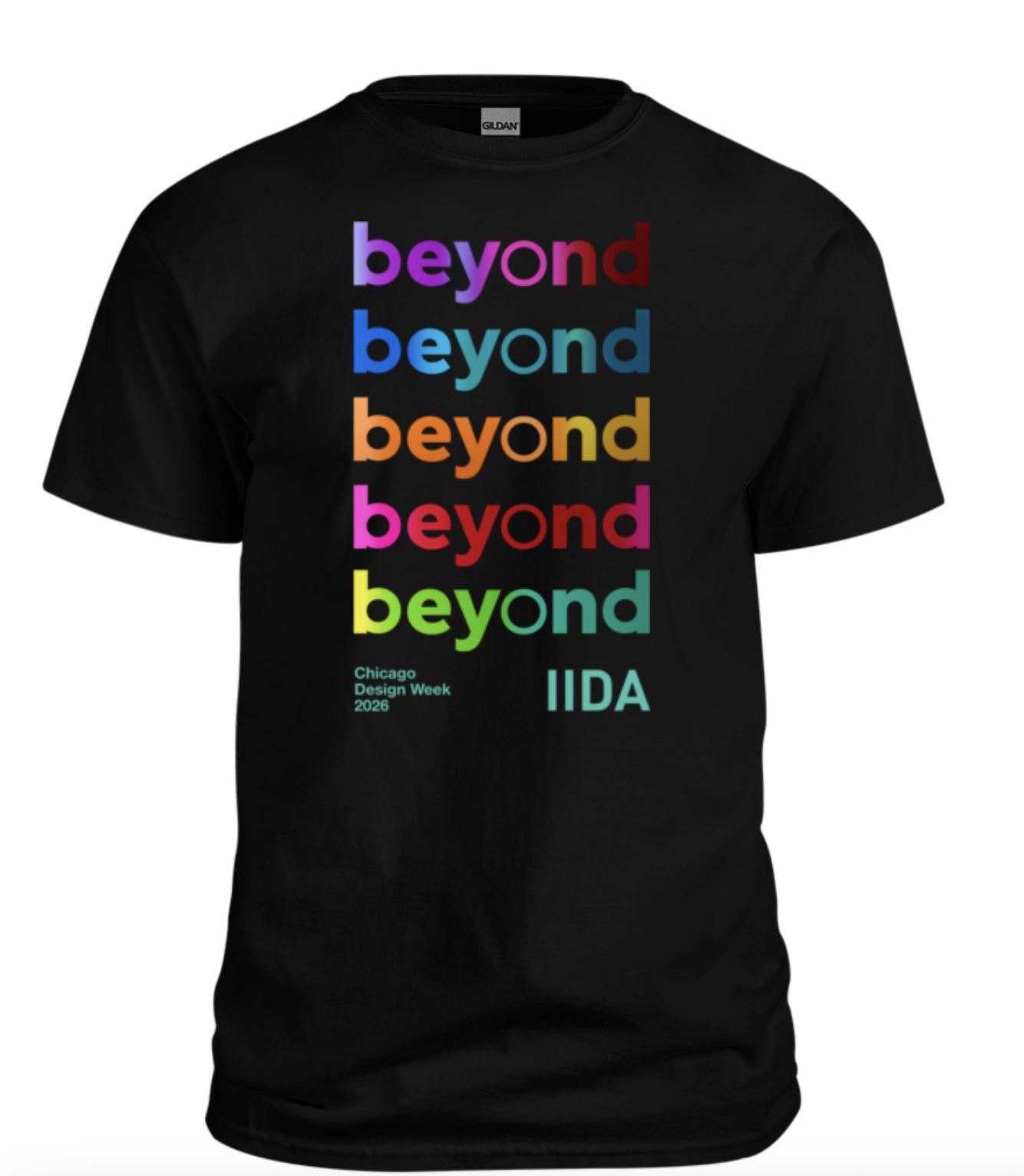
Colors have the ability to influence mood, attention, and emotional responses, shaping how people experience a space, a brand, an idea. For Chicago Design Week, a citywide celebration of design where nearly 50,000 global design professionals come together, the goal was to create a visual design system that would weave together five days of design events and programming by using color to connect. The campaign direction “beyond” centered around feeling — the feeling that colors can trigger, and how those colors could help create and visualize energy or “vibe”.
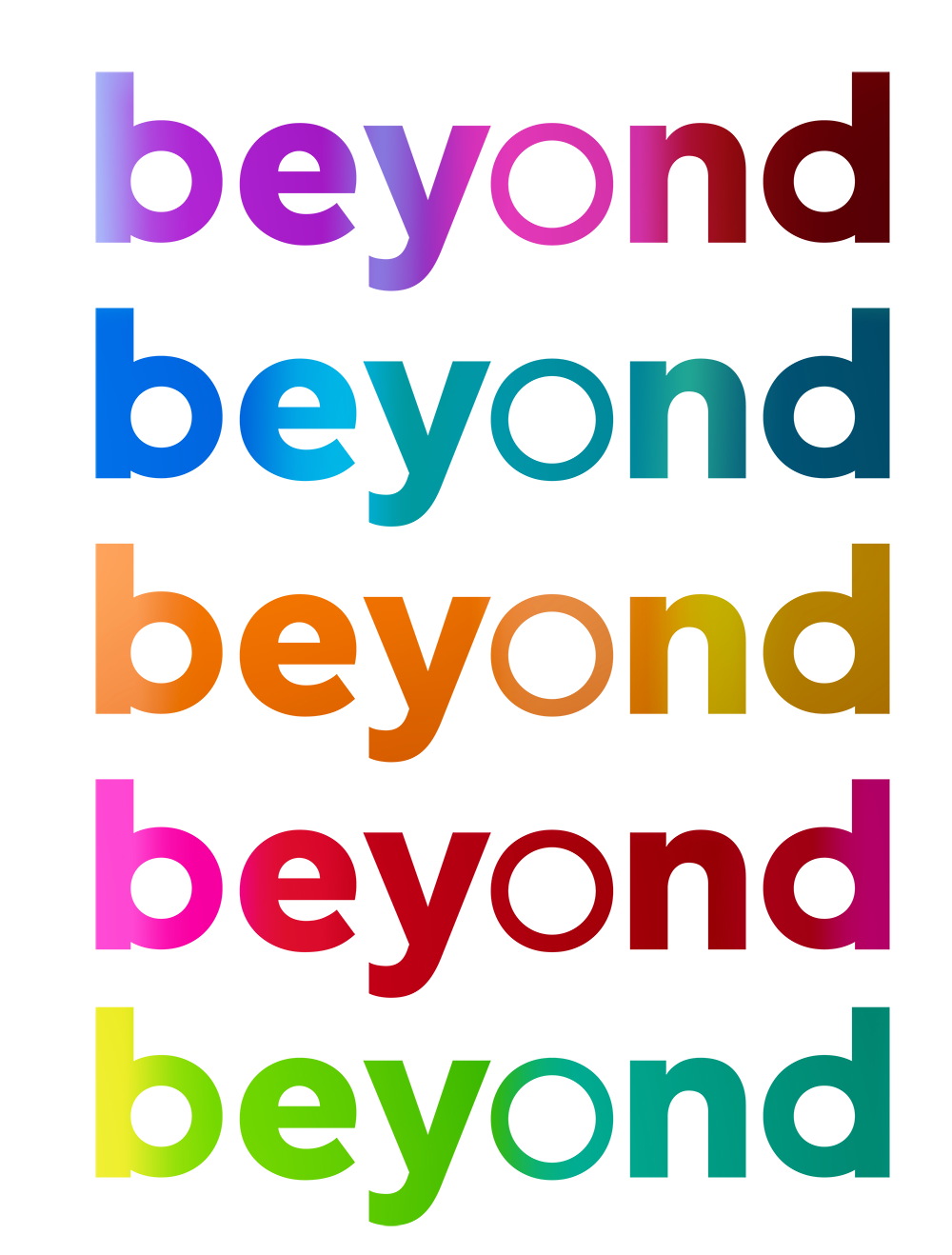
A simple identifier becomes part of a richer visual experience
The custom wordmark for “beyond” is designed so that the word becomes a container for the artwork, giving it more context, emotion, and flexibility while allowing the brand to feel more expressive than a standalone mark.
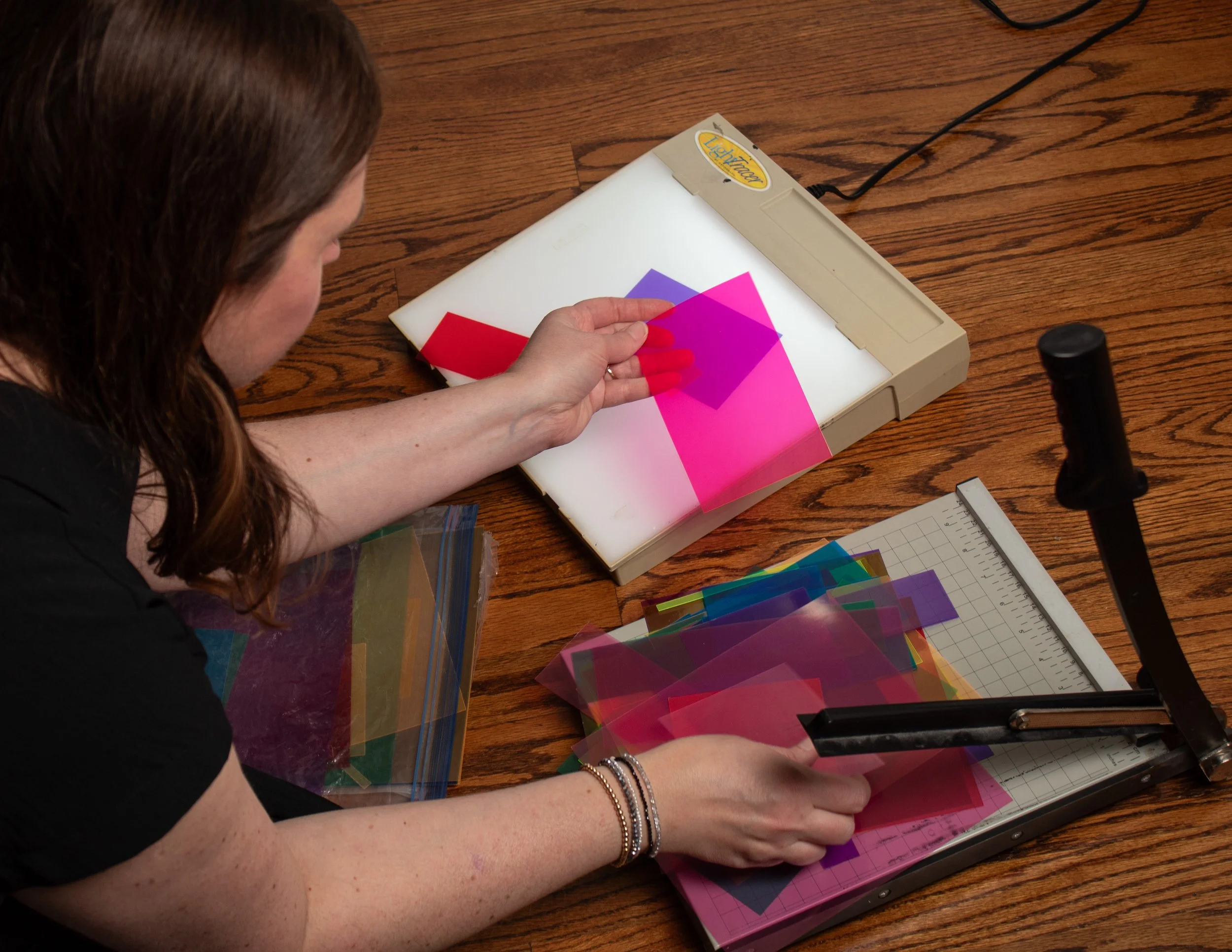
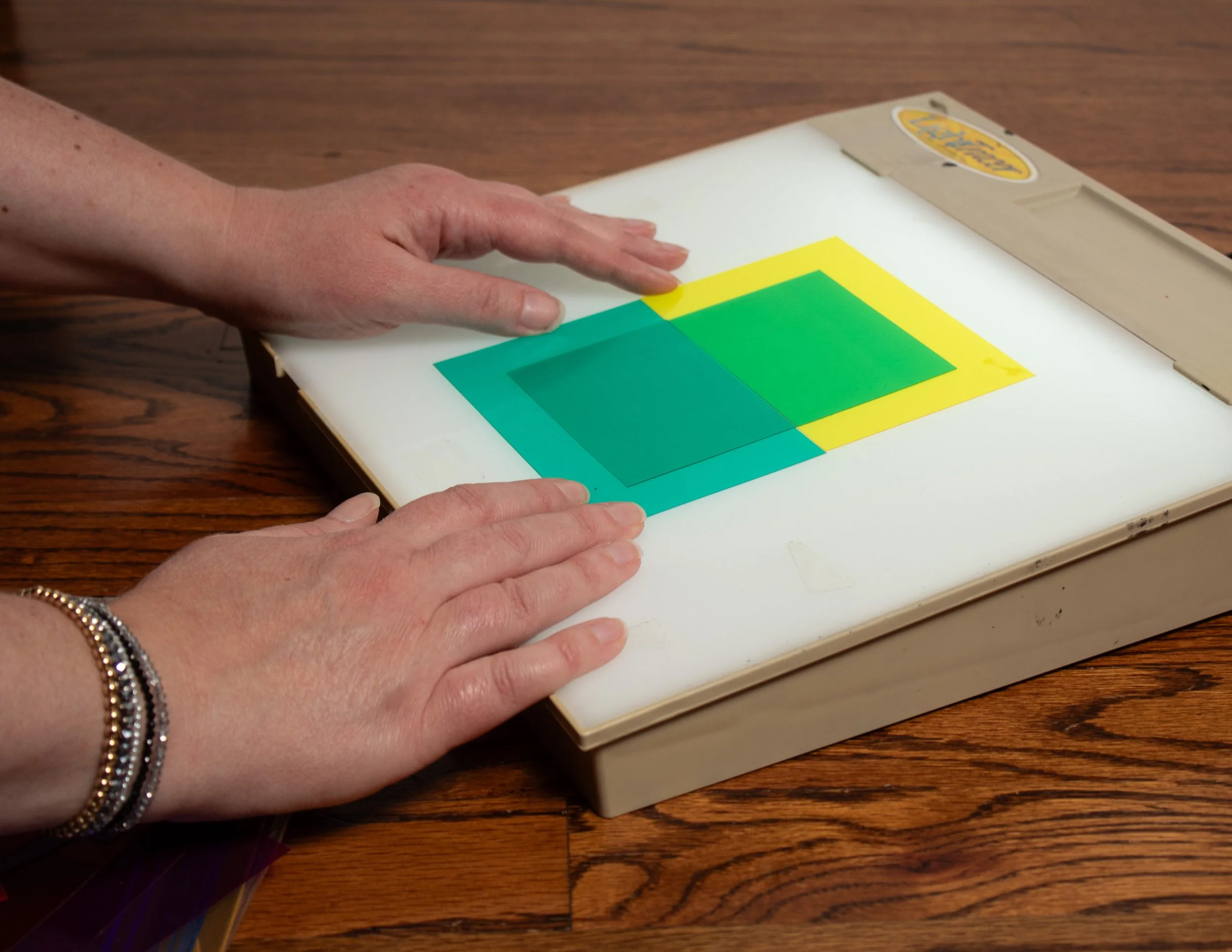
Built from handmade aura graphics, layered color gels, and the imperfect glow of an old light box, “beyond” translates the organizations optimism into something luminous, human, and distinct.
Analog magic
A series of twelve images were created by hand using layered color gels and an aging light box that created subtle imperfections, depth, and luminosity that could not have been fully replicated through software alone. Those qualities became central to the campaign’s identity, giving it a visual language that felt original, tactile, and emotionally resonant. Ideas that we knew the audience would connect with.
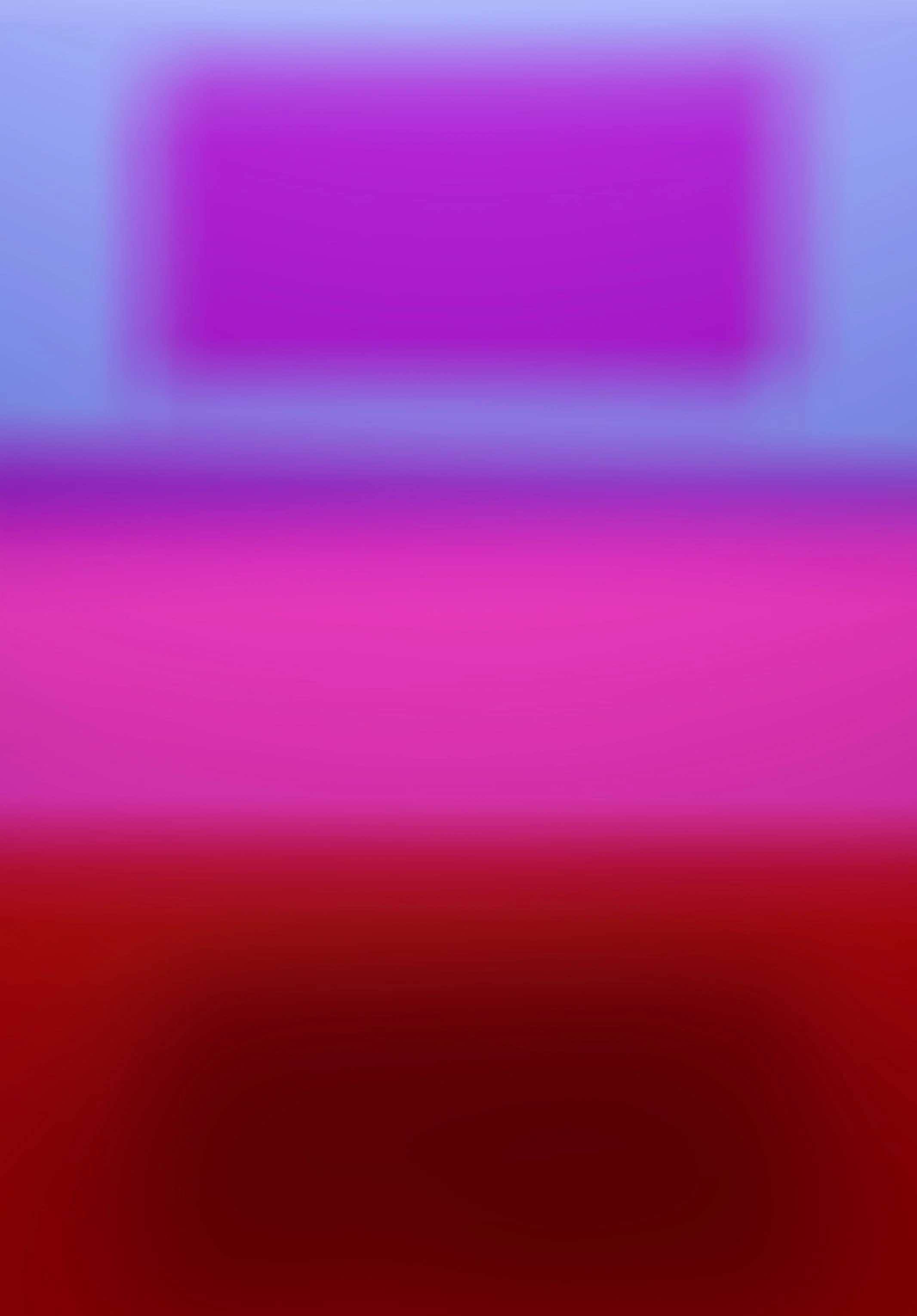


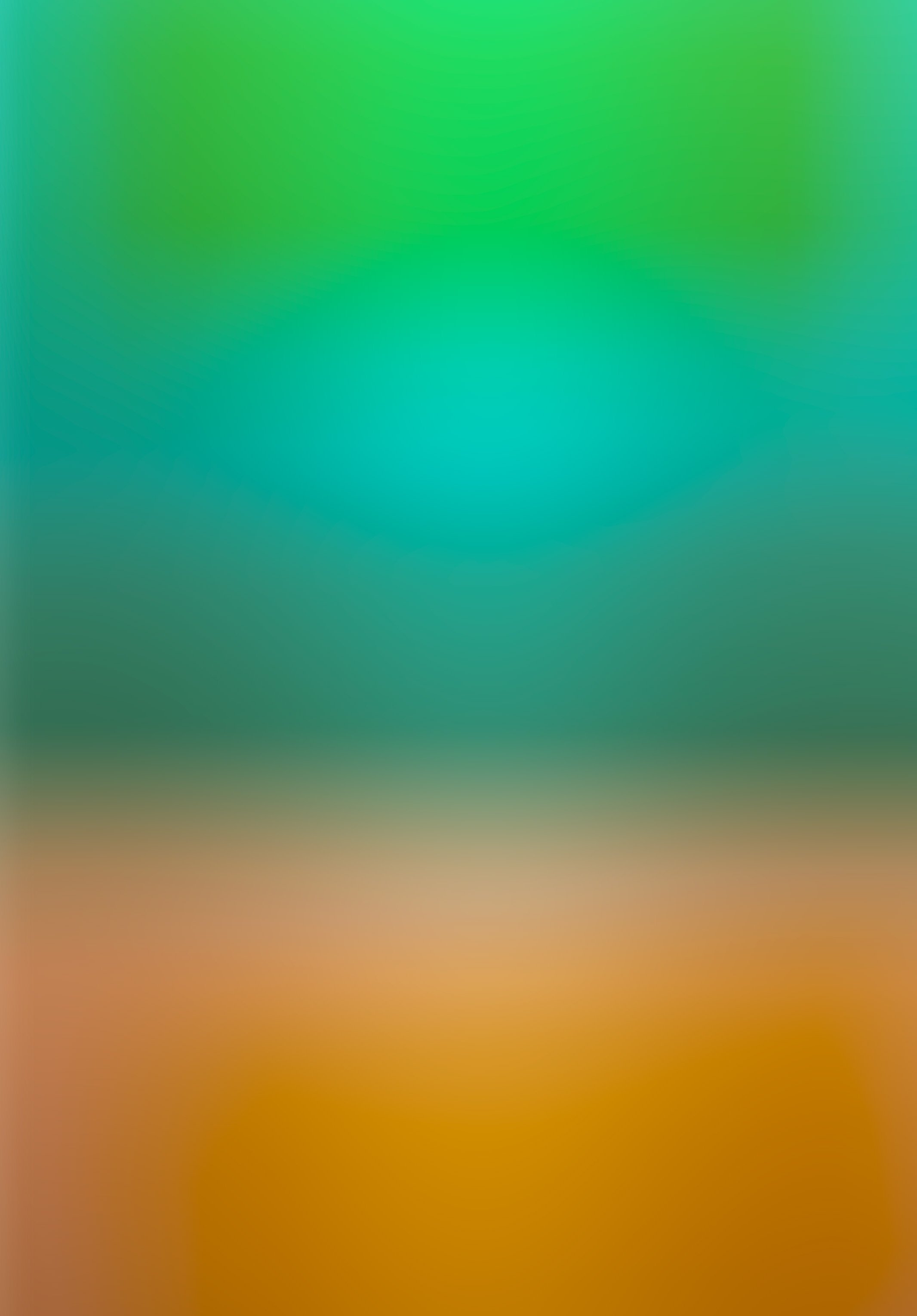
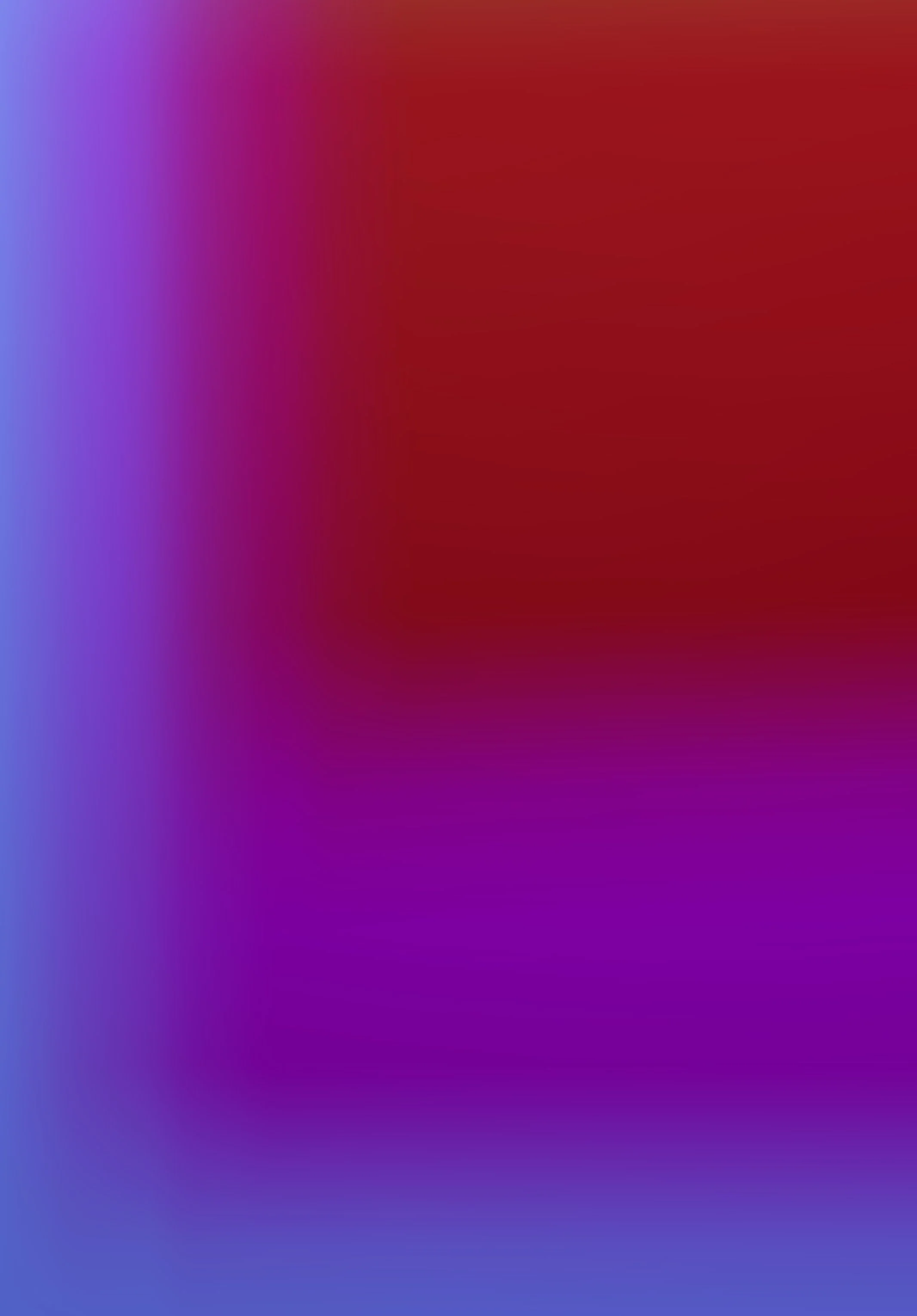
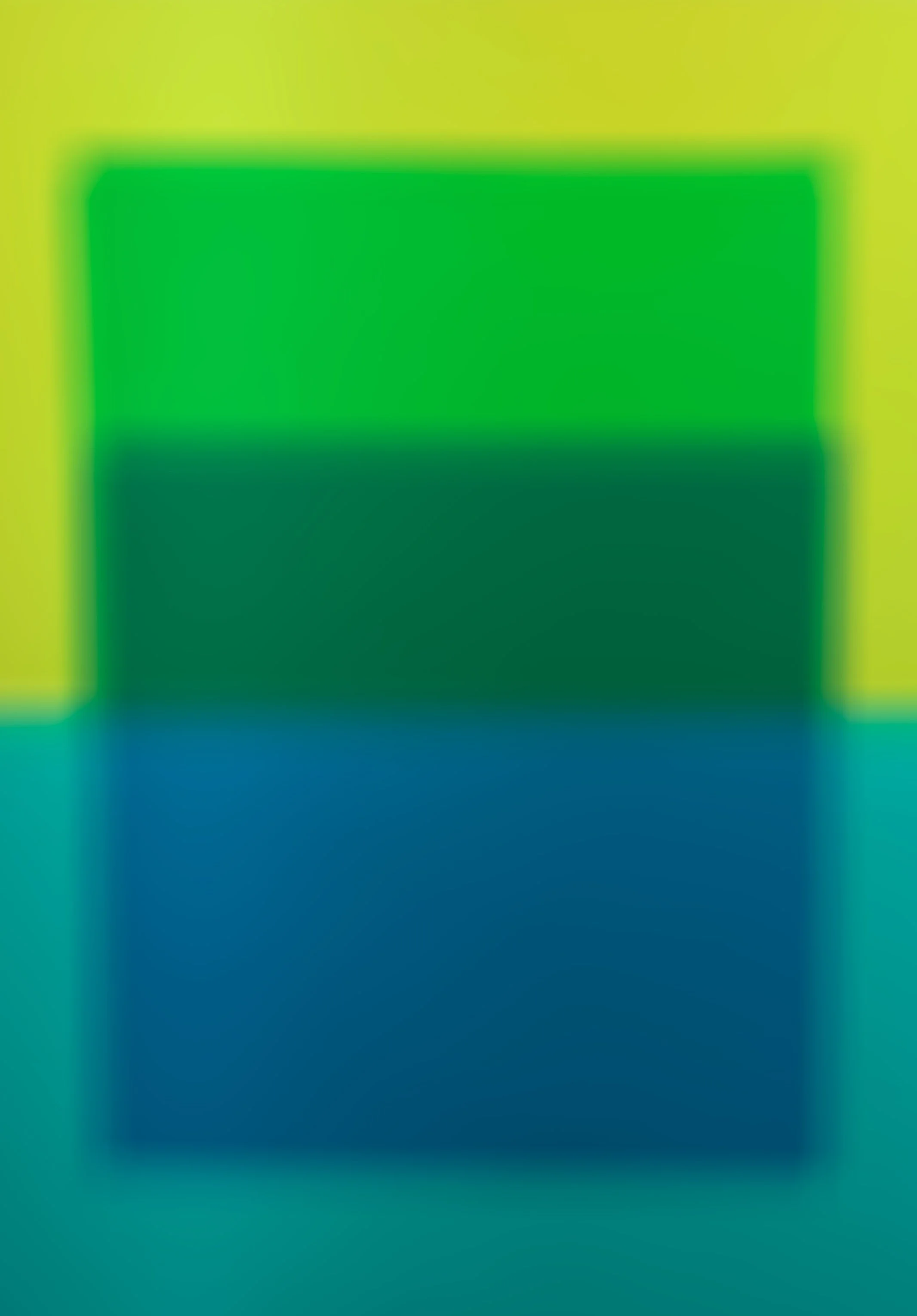
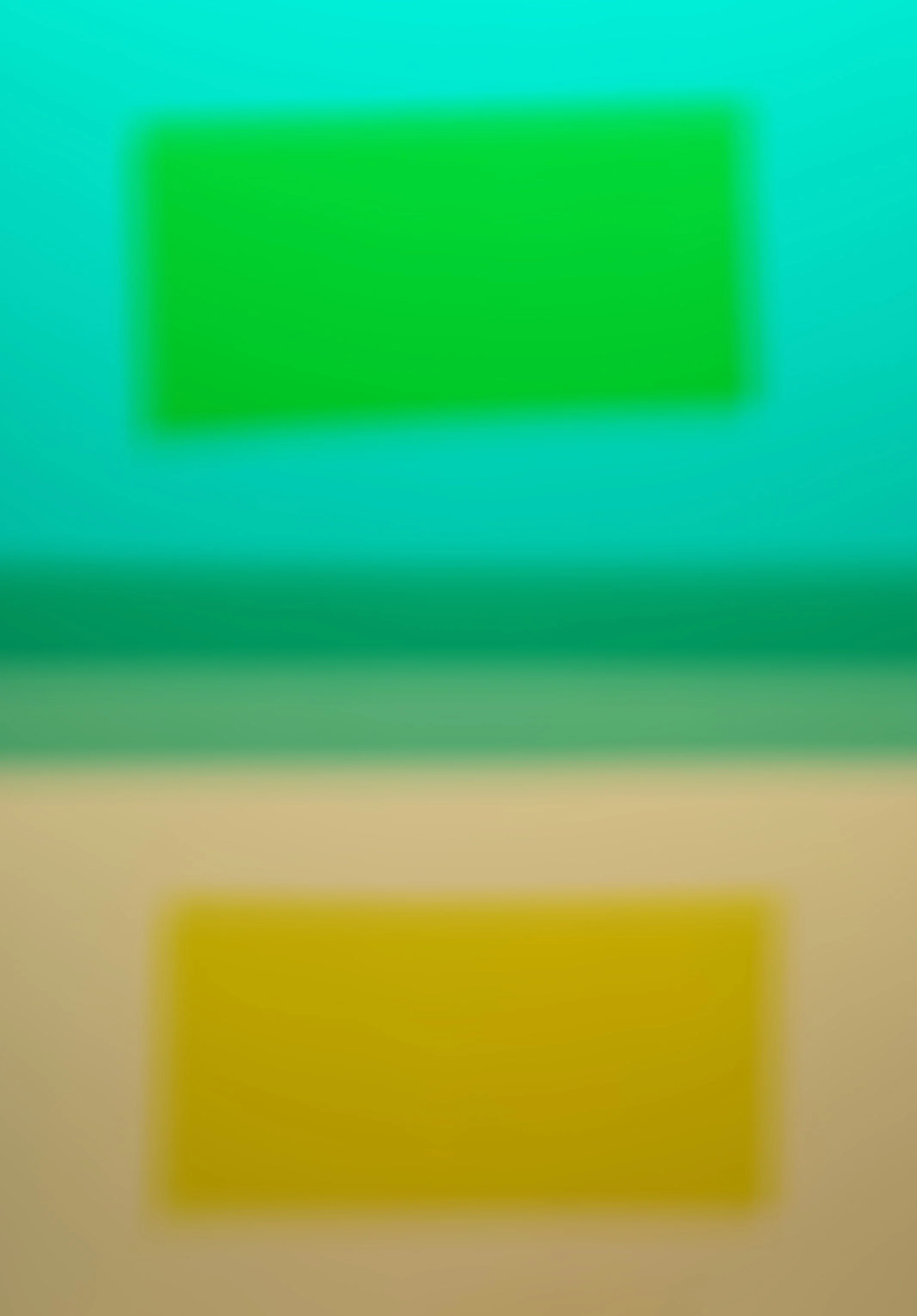

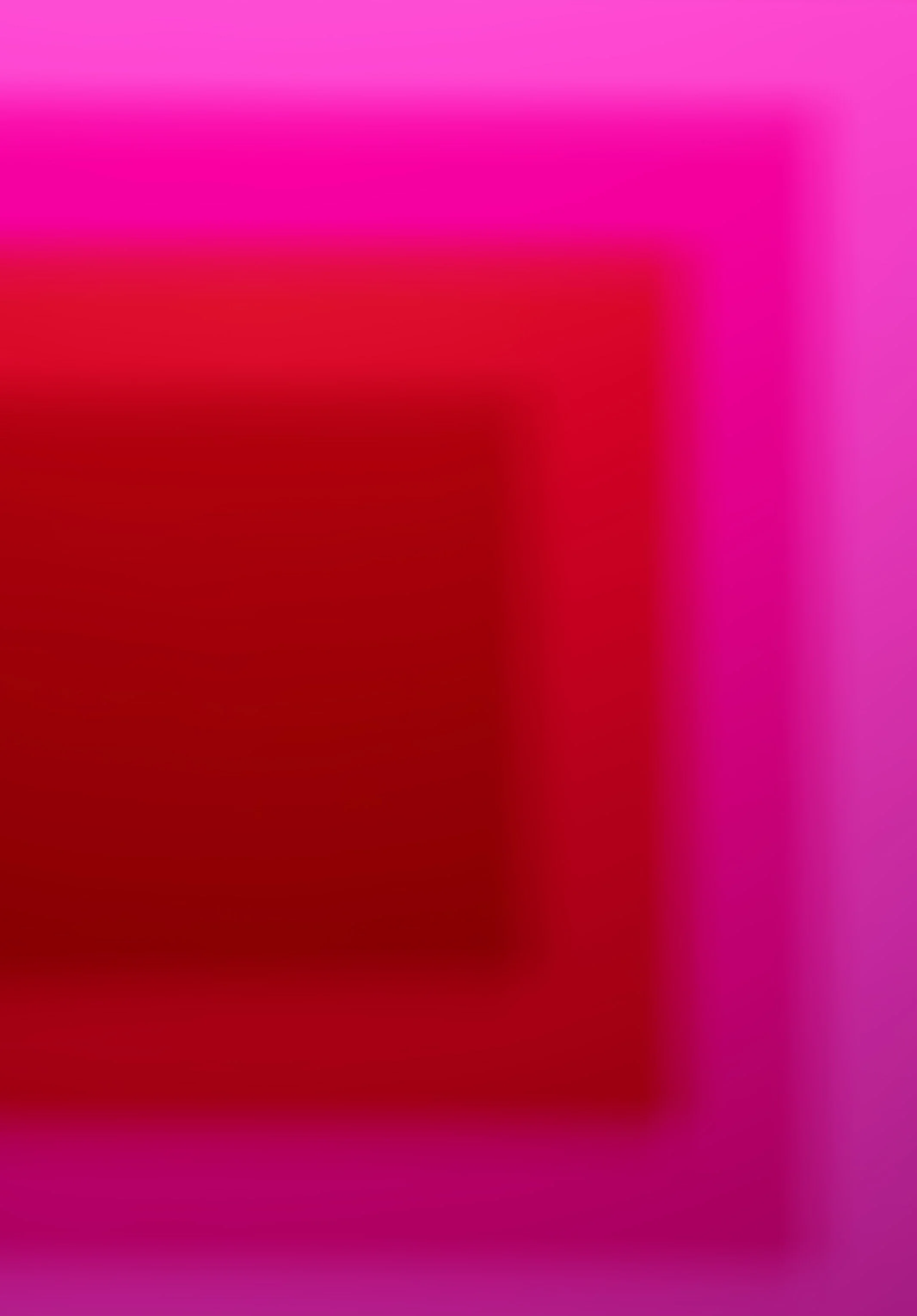
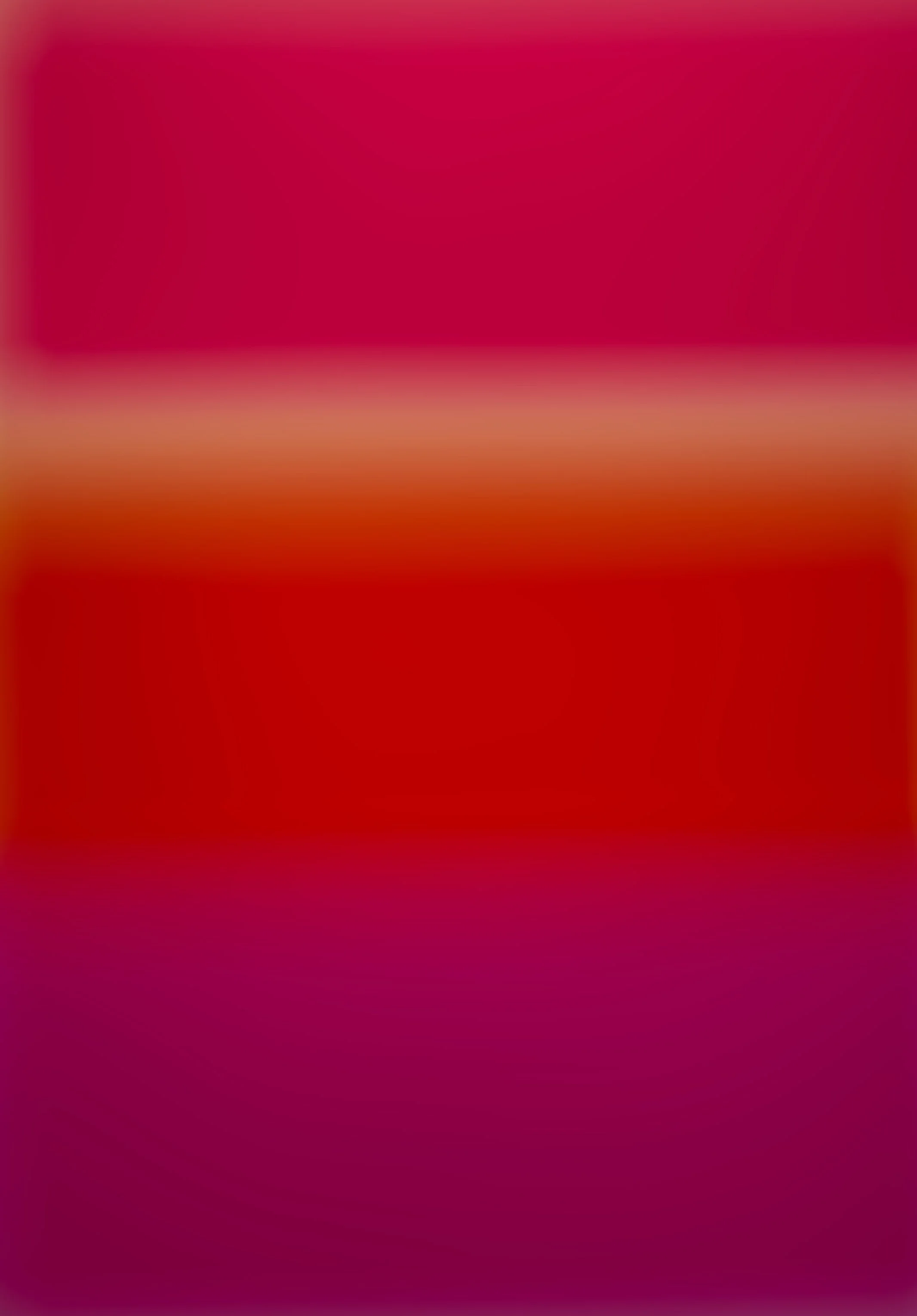
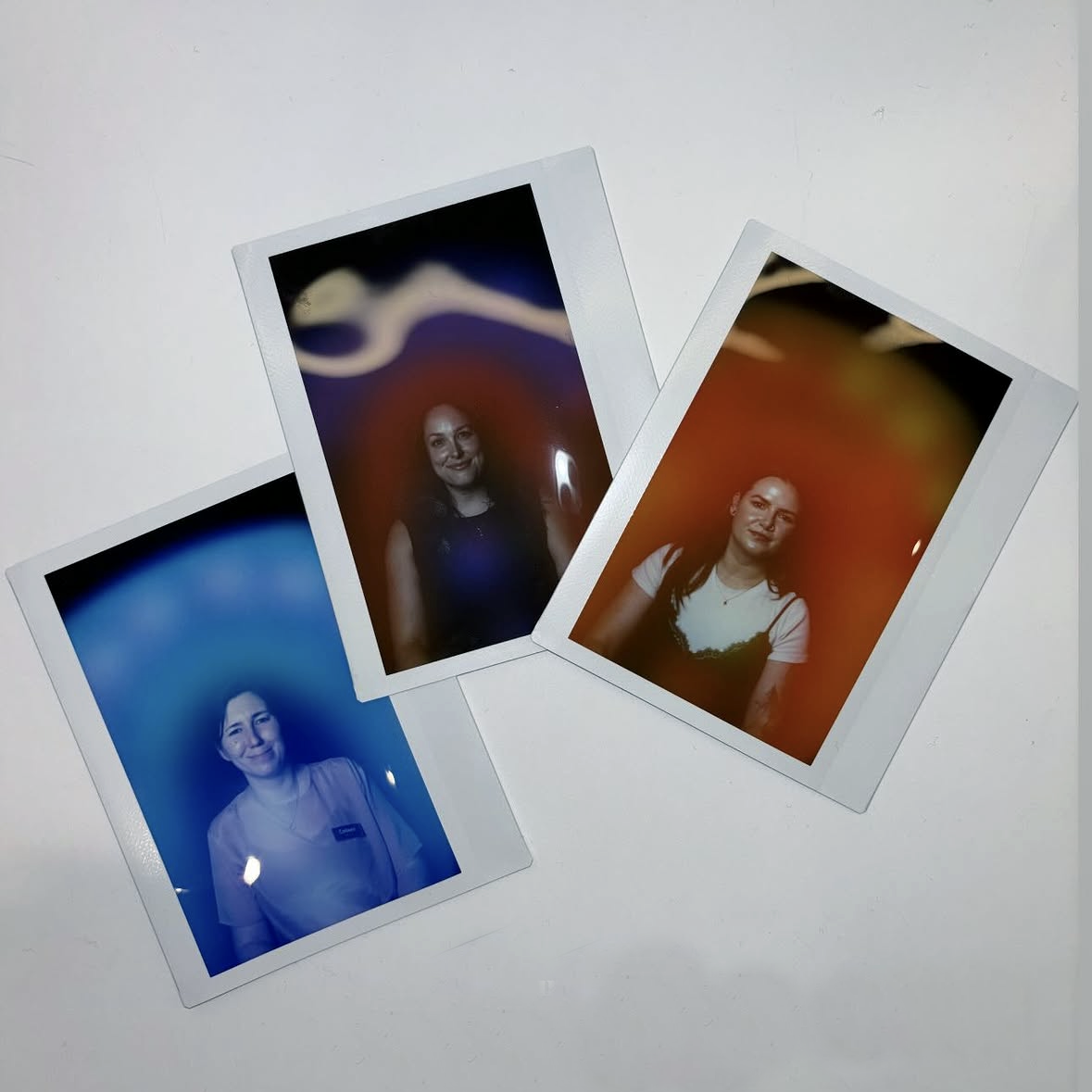
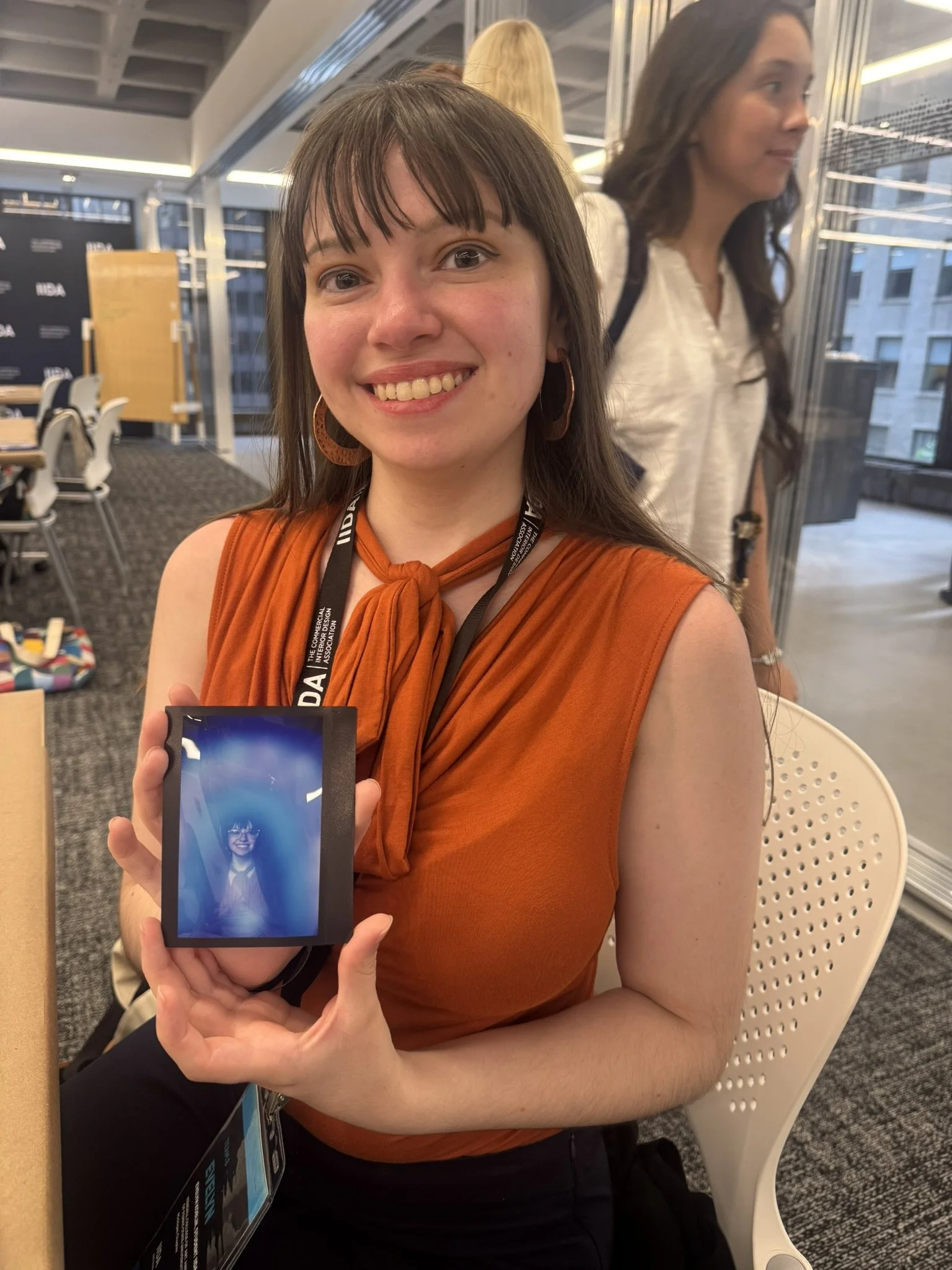
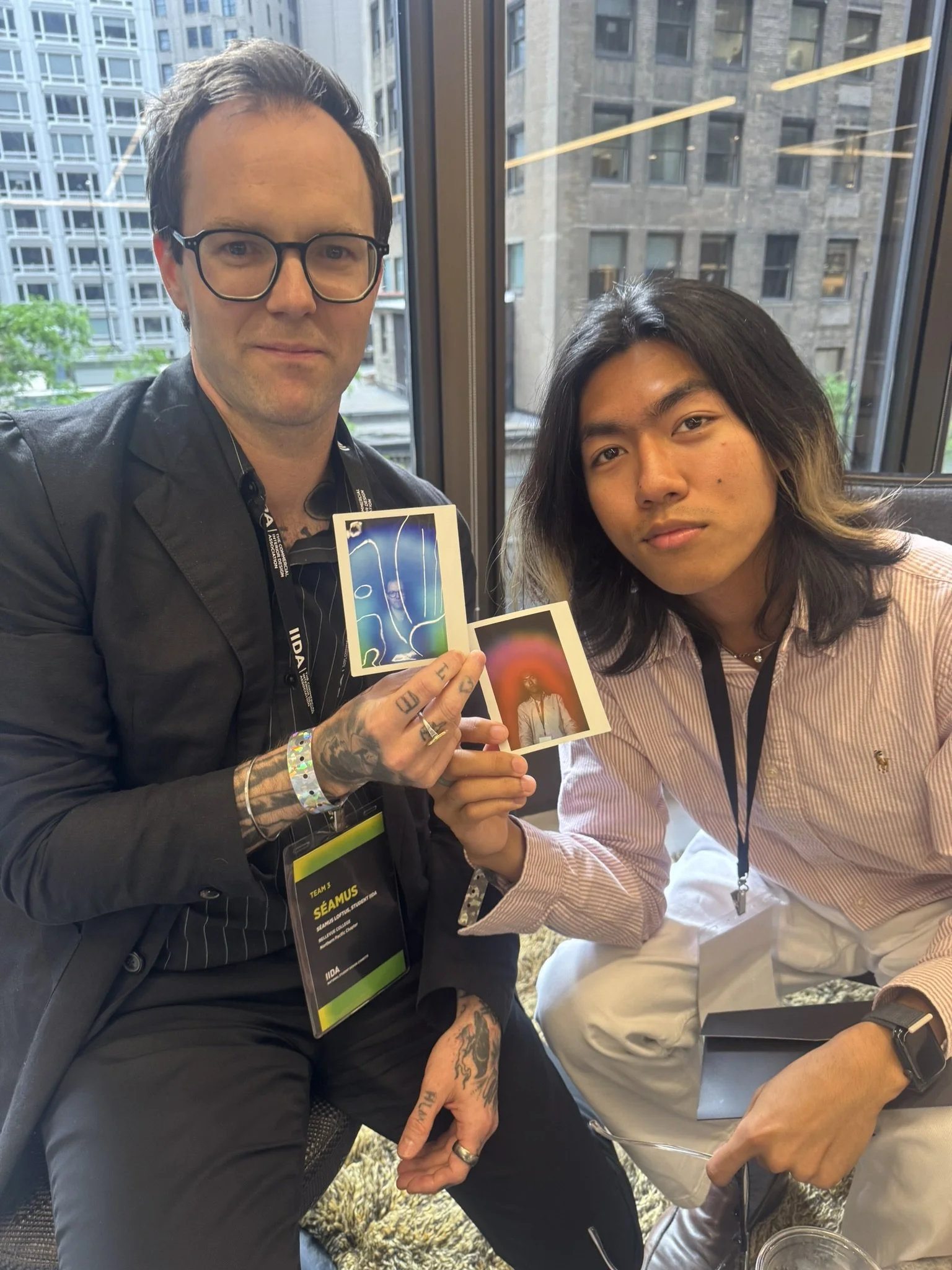
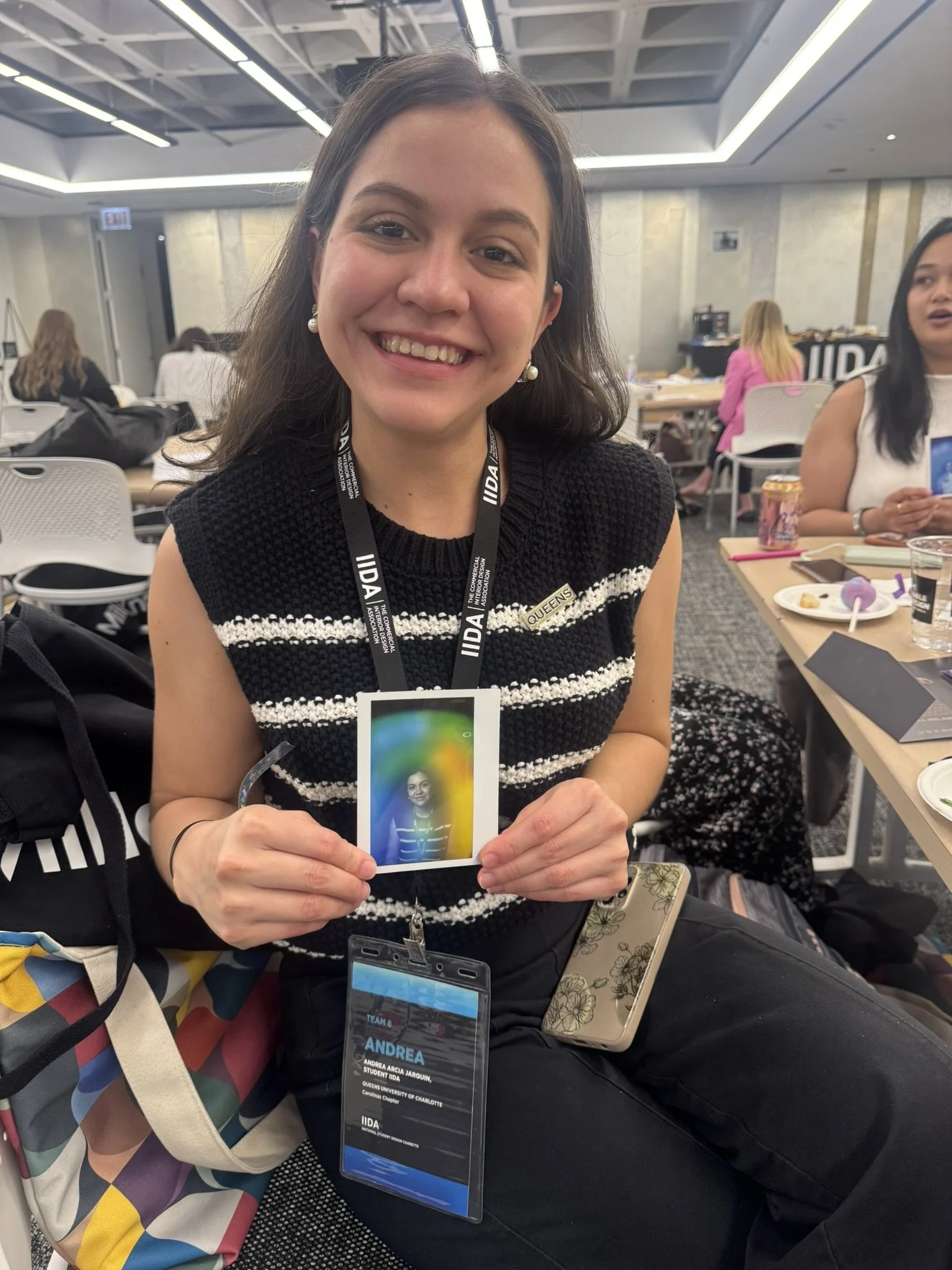
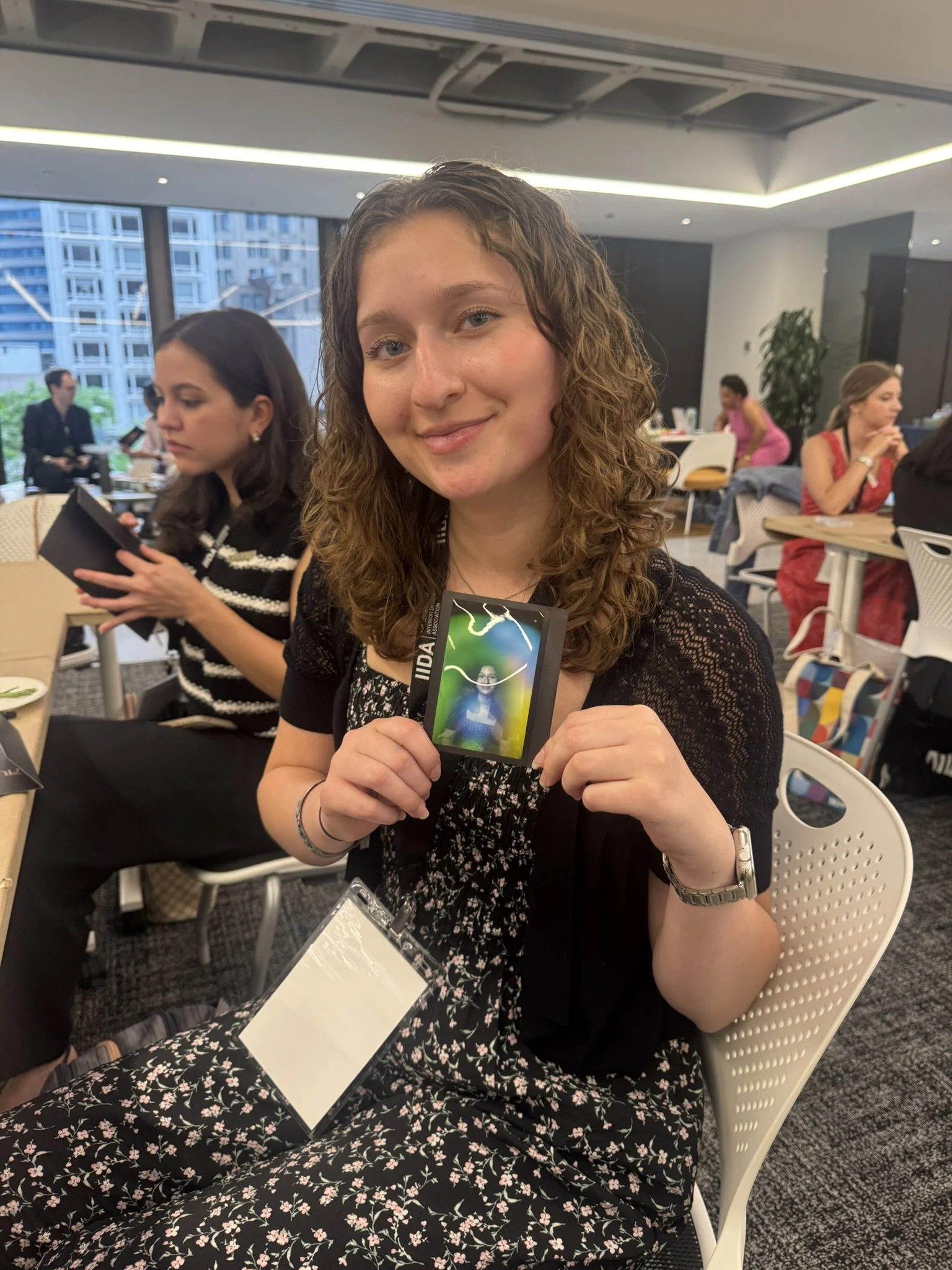
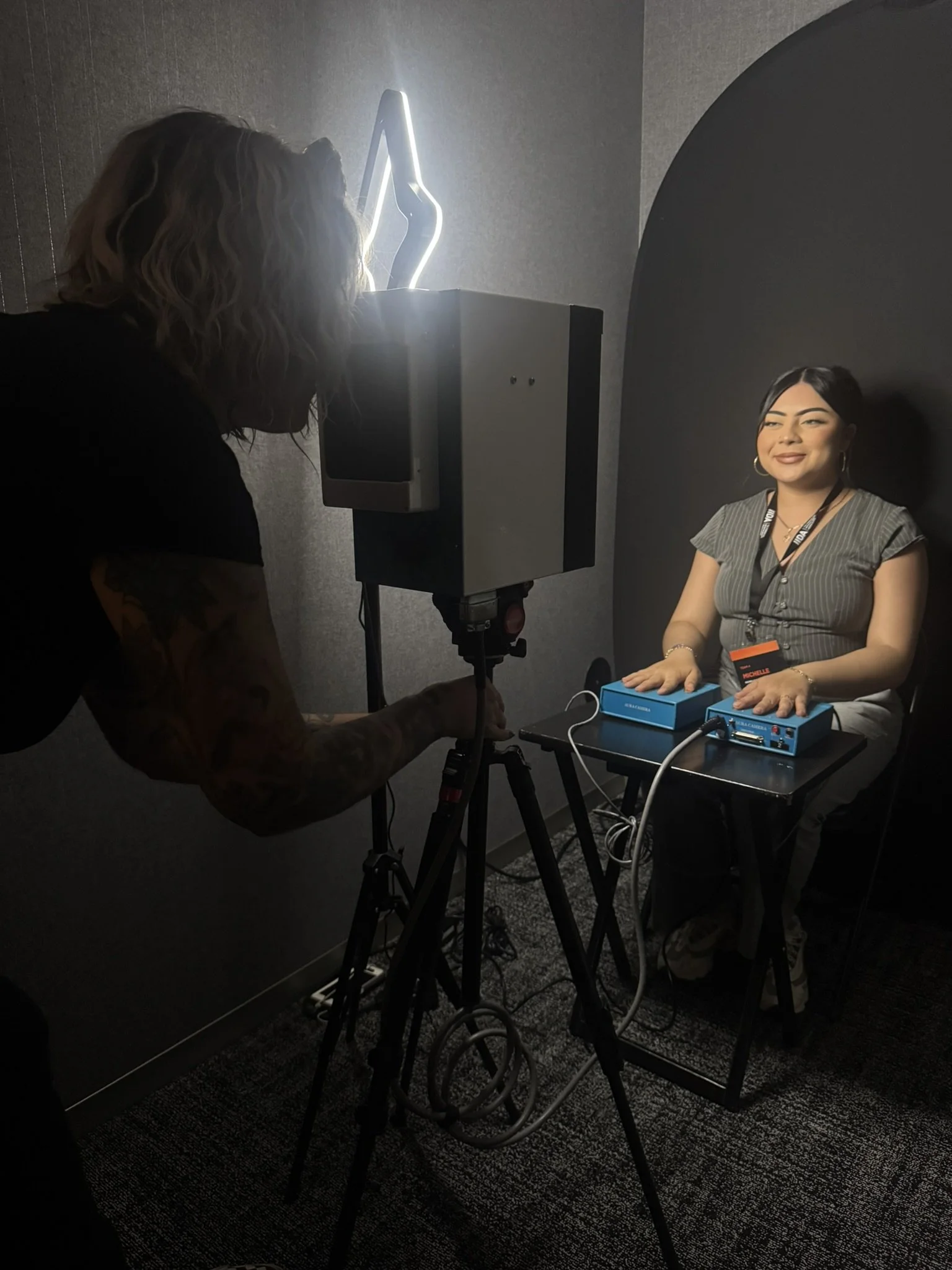
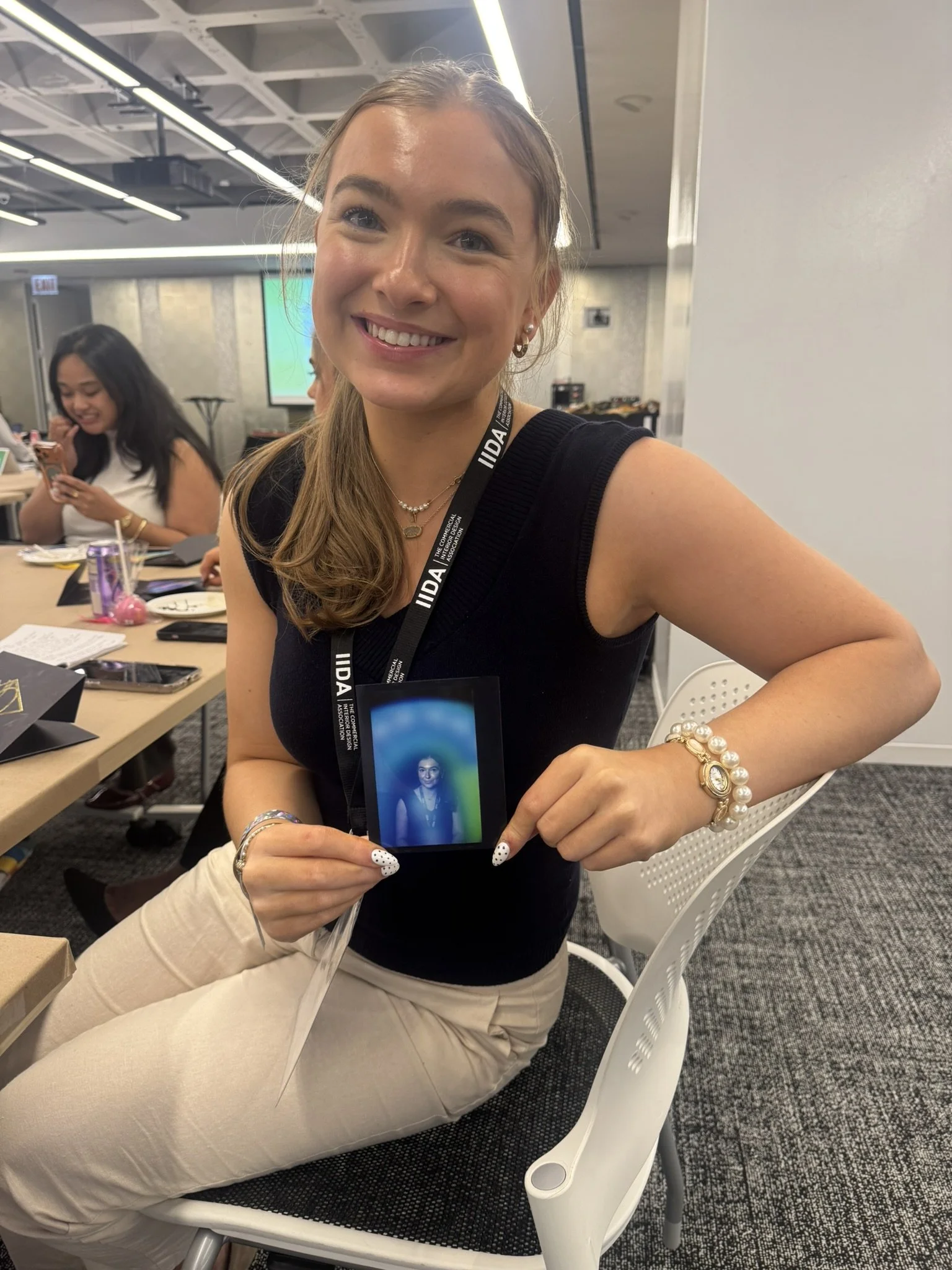
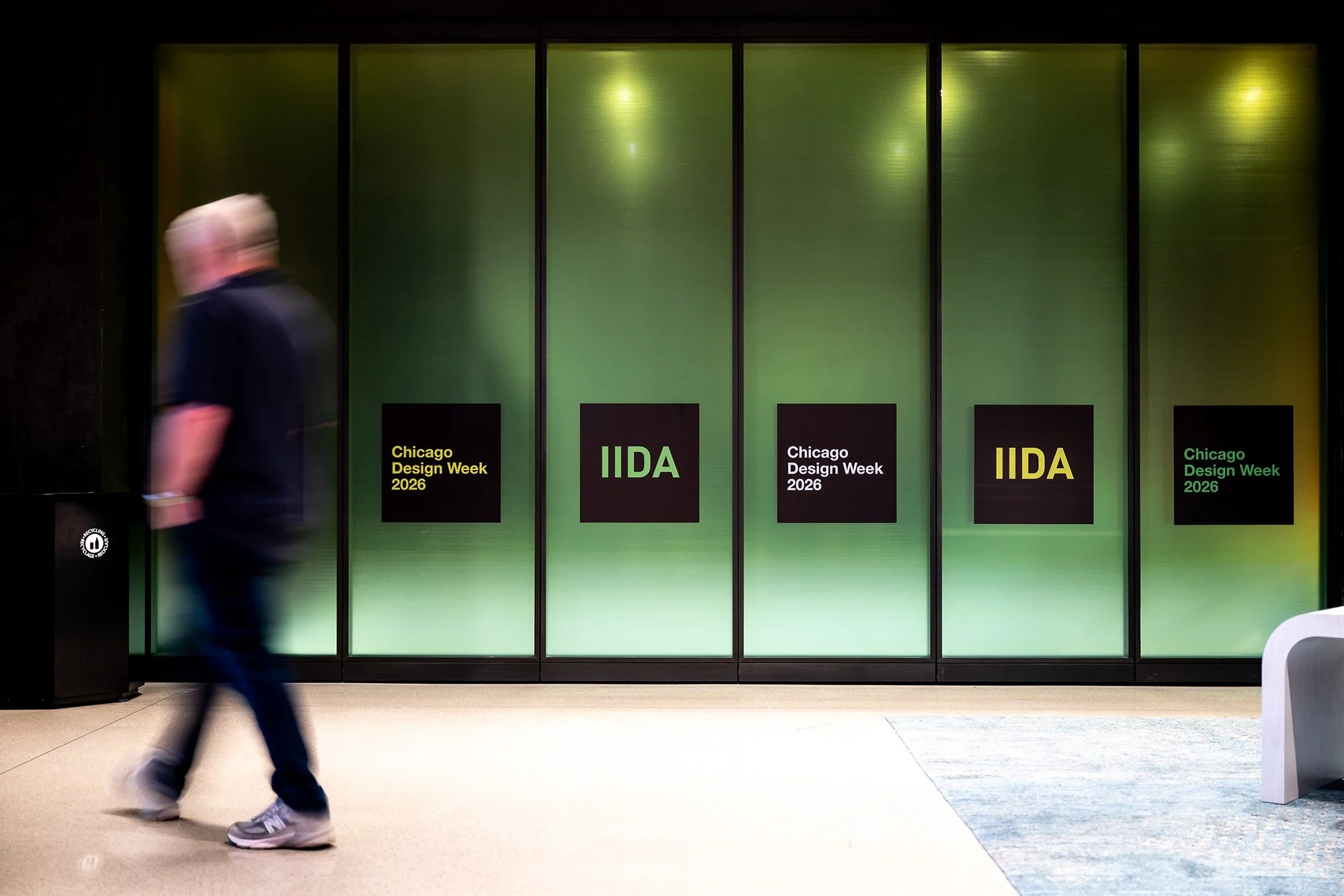
From large scale installations that mimicked the lightbox effect, to aura portraits taken at an event, each touchpoint brings you back to the original intent of creating something luminous, human, and distinct.
Windows mimicked the original design process while solving for the design challenge of needing to be transparent enough to see into the space.
The research is in.
Color theory explores how different colors influence perception and emotion. Research in psychology and neuroscience suggests that color can affect mood, attention, and behavior—warm tones like red and orange often evoke energy and excitement, while cooler blues and greens are associated with calm and focus. While responses to color are shaped by culture and personal experience, thoughtful use of color can help create emotional connections, reinforce meaning, and shape how a message is felt as much as how it is seen.
By layering luminous fields of color inspired by the idea of an aura, the campaign translated abstract feelings—optimism, energy, calm, connection—into something people could immediately sense.
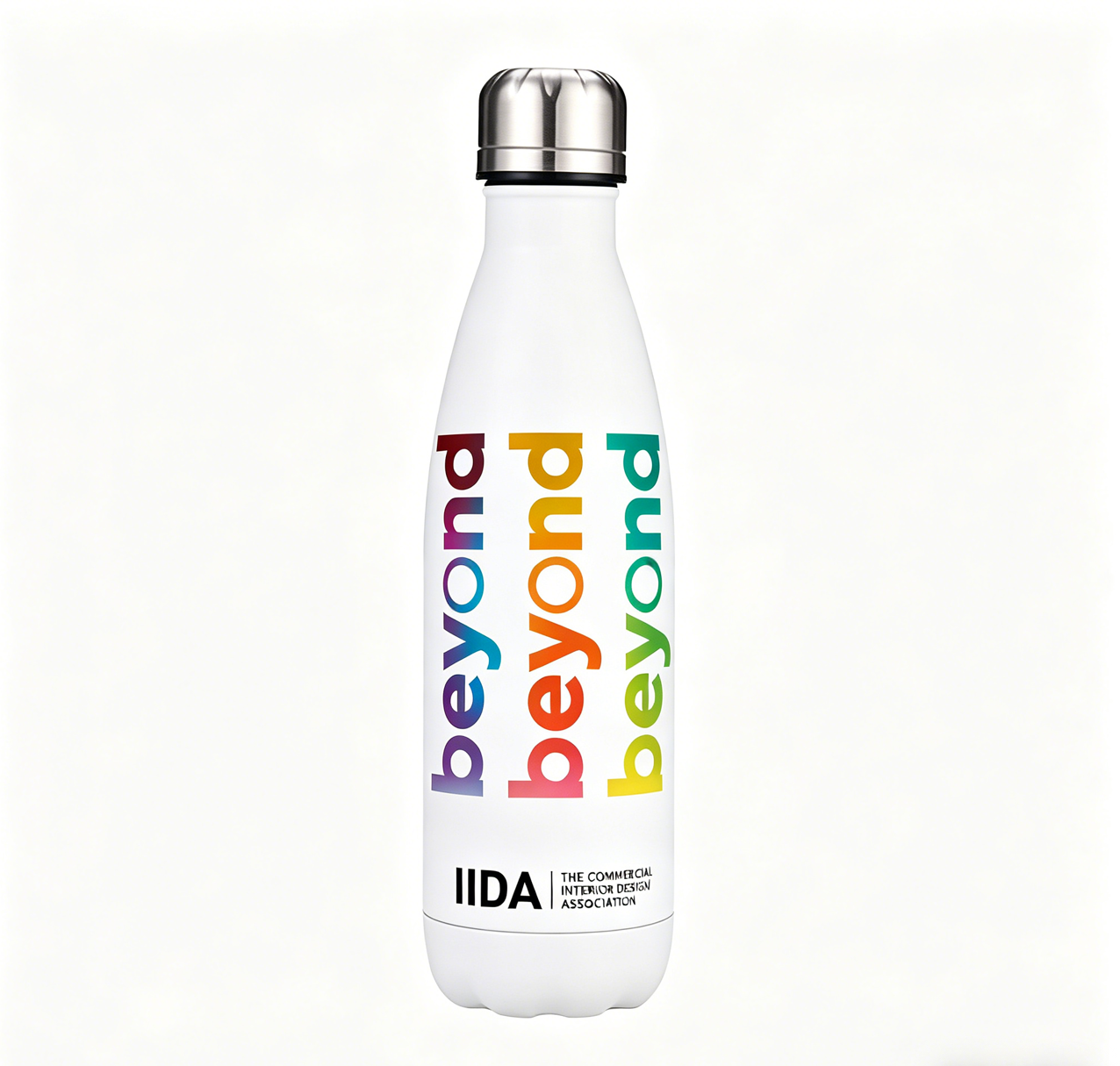
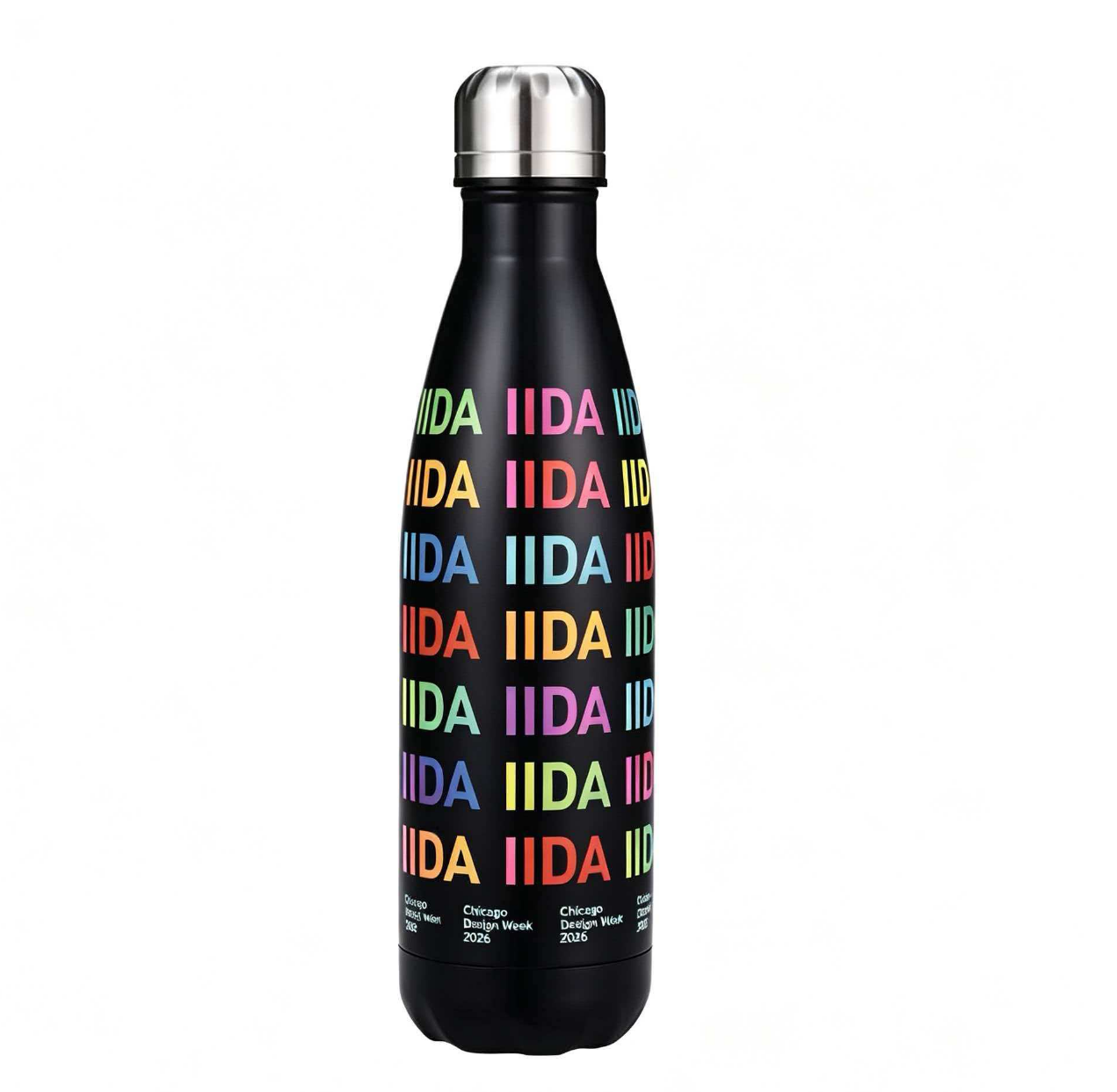
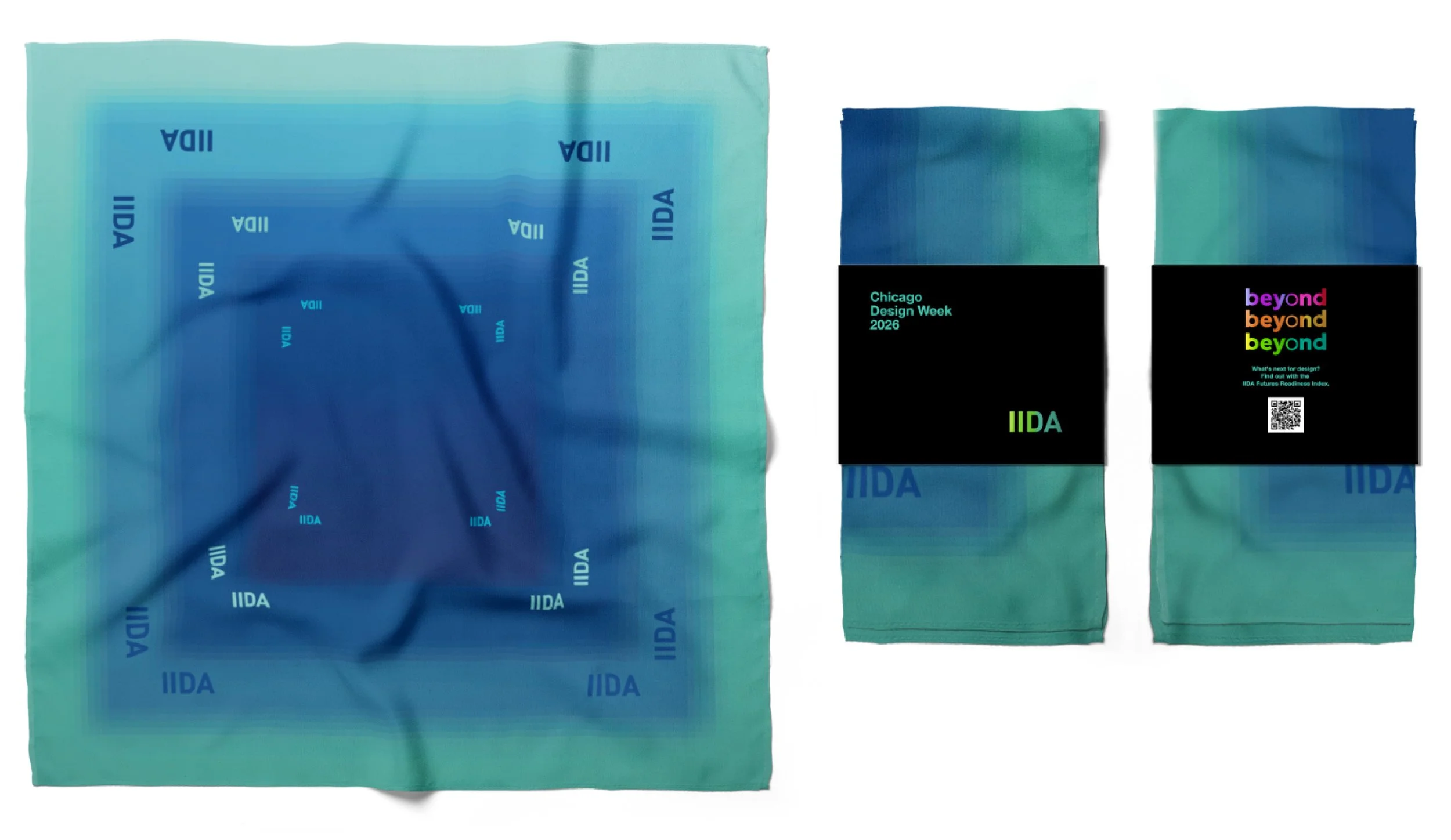
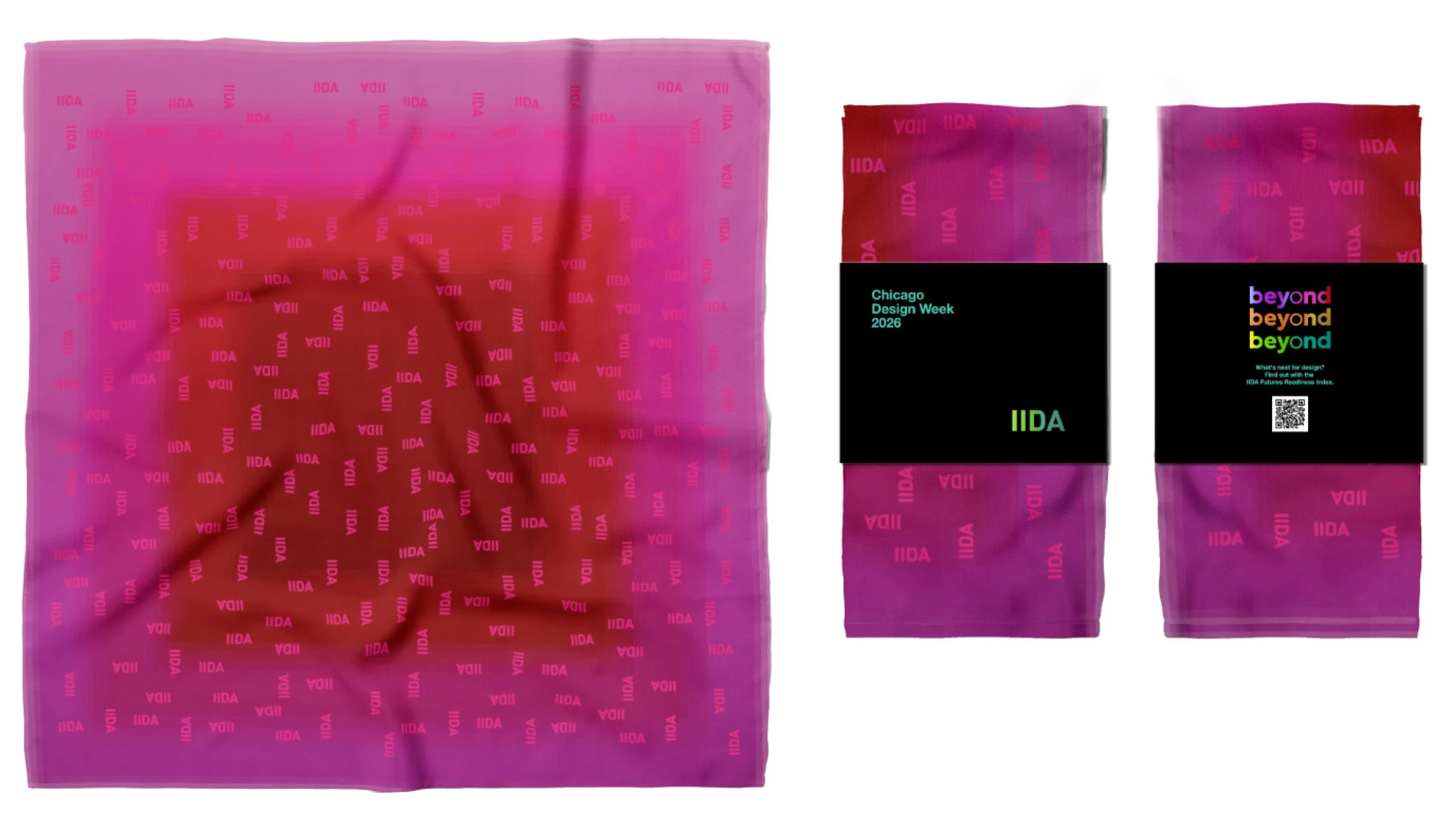
The result was a visual language that balanced intuition with intention, using color not simply as decoration but as a means of creating an emotional and immersive experience through every touchpoint, connecting large scale art installations, environmental graphics, motion graphics, digital experiences, presentations, print design, swag, email and social into a cohesive narrative.
The science of design
Neuroscience suggests that the brain is constantly looking for patterns. Machine-made objects tend to exhibit near-perfect repetition, symmetry, and consistency. Handmade work contains subtle variations—slight irregularities in line, texture, spacing, pressure, or form. It’s these imperfections that create visual complexity that the brain registers as evidence of a human presence. In design terms, the brain isn't just seeing the finished artifact—it's sensing the story of how it was made.
The marks, variations, and constraints embedded in handmade work become signals that another person was there, making choices, solving problems, and leaving behind evidence of their presence. That's why handmade objects often feel more alive, even when we can't immediately explain why. Using artwork created by hand and then translated in various uses was part of the overall design strategy in considering multiple applications and mediums and understanding how people absorb, navigate, and connect with information.

Aura portraits taken onsite were another way for people to feel surrounded by something bright, positive, and optimistic.