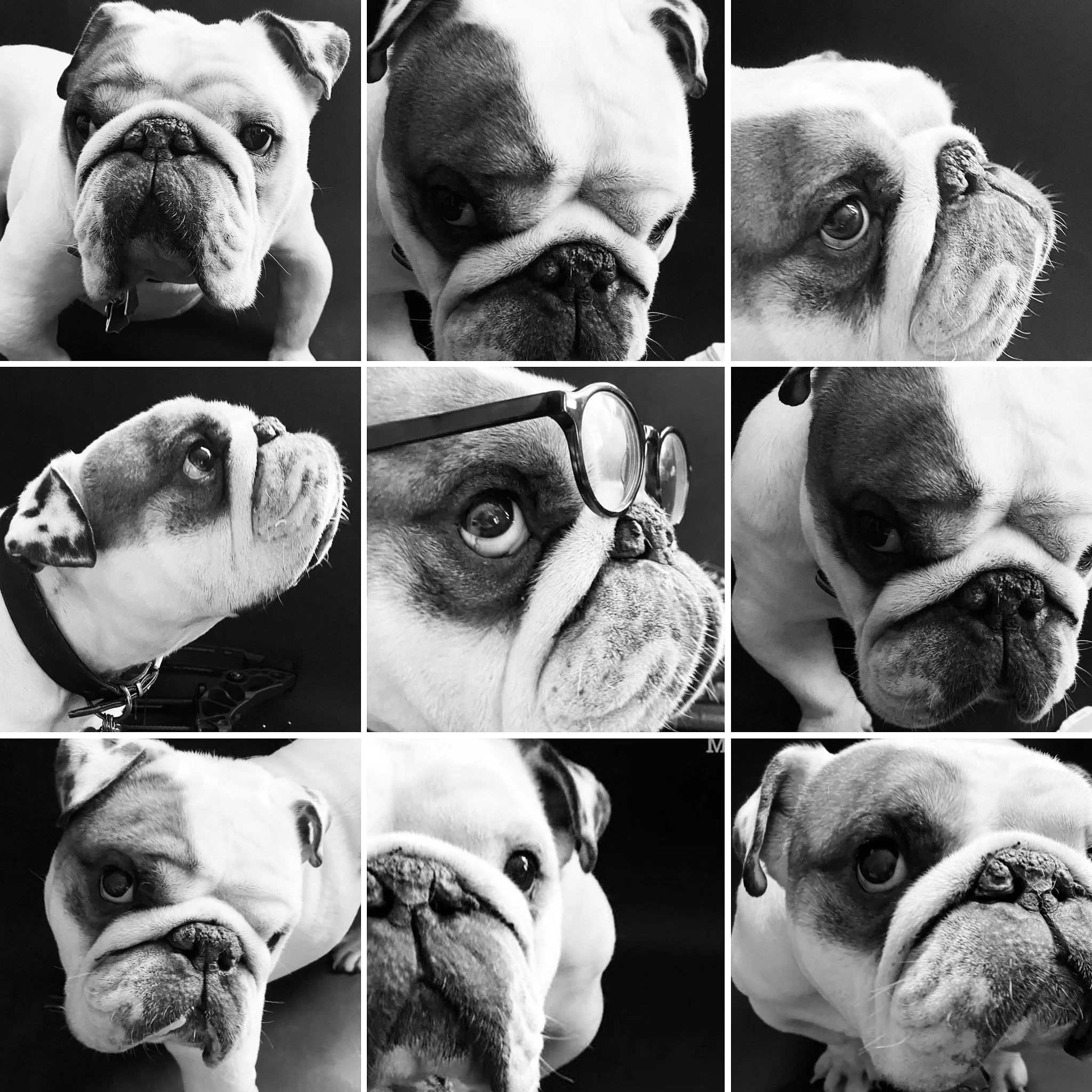
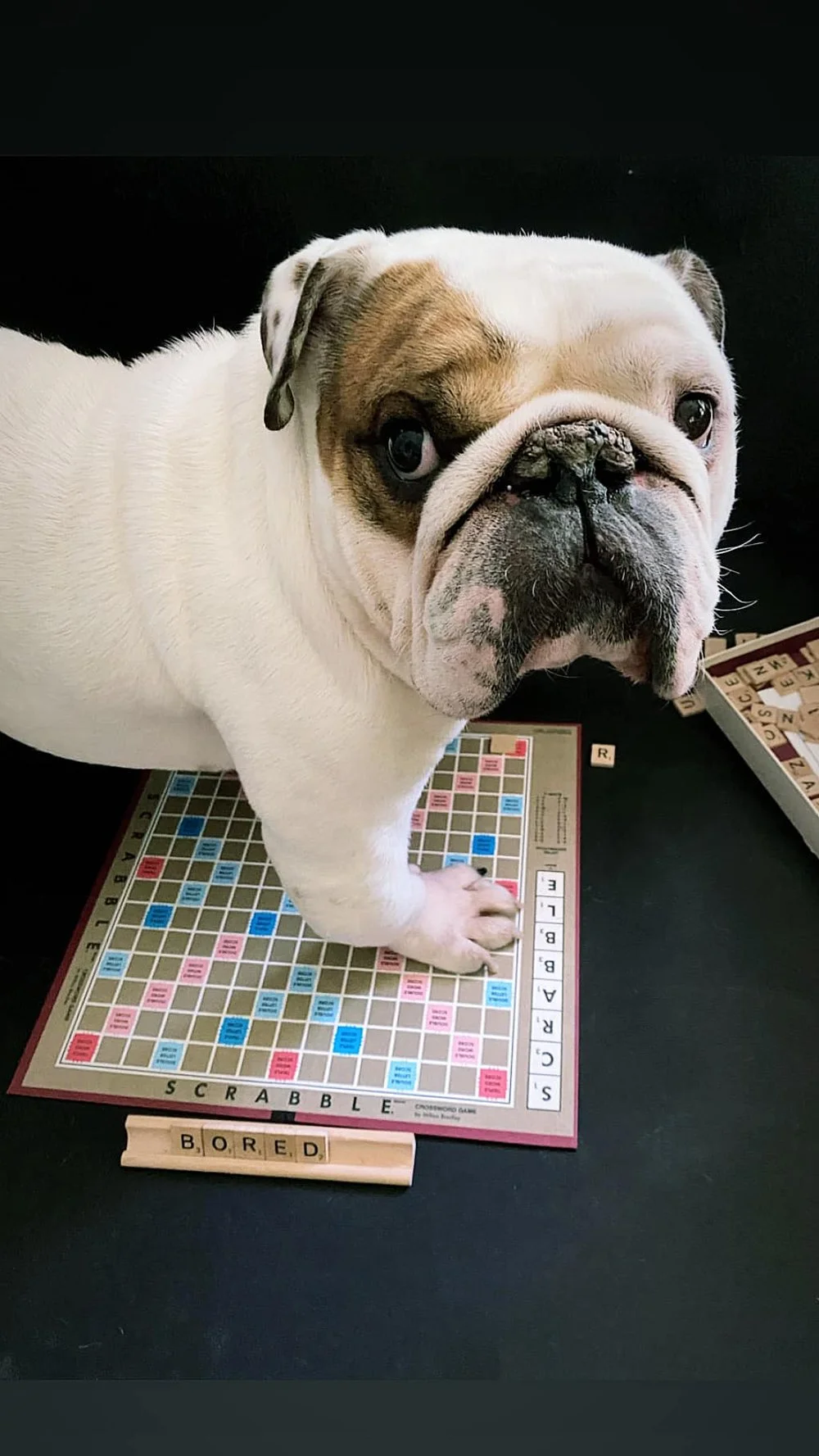
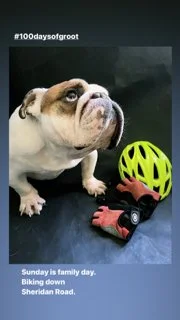
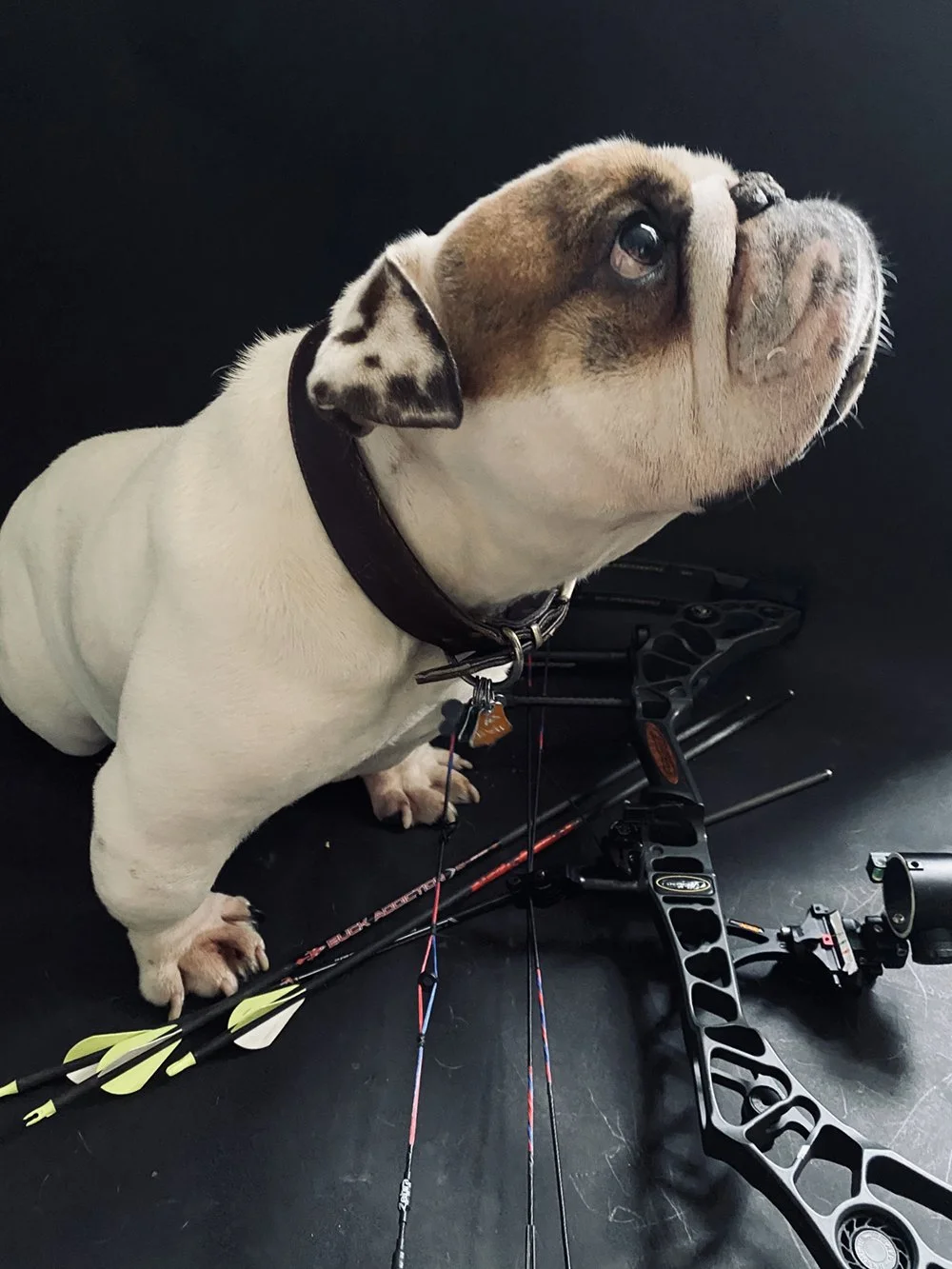
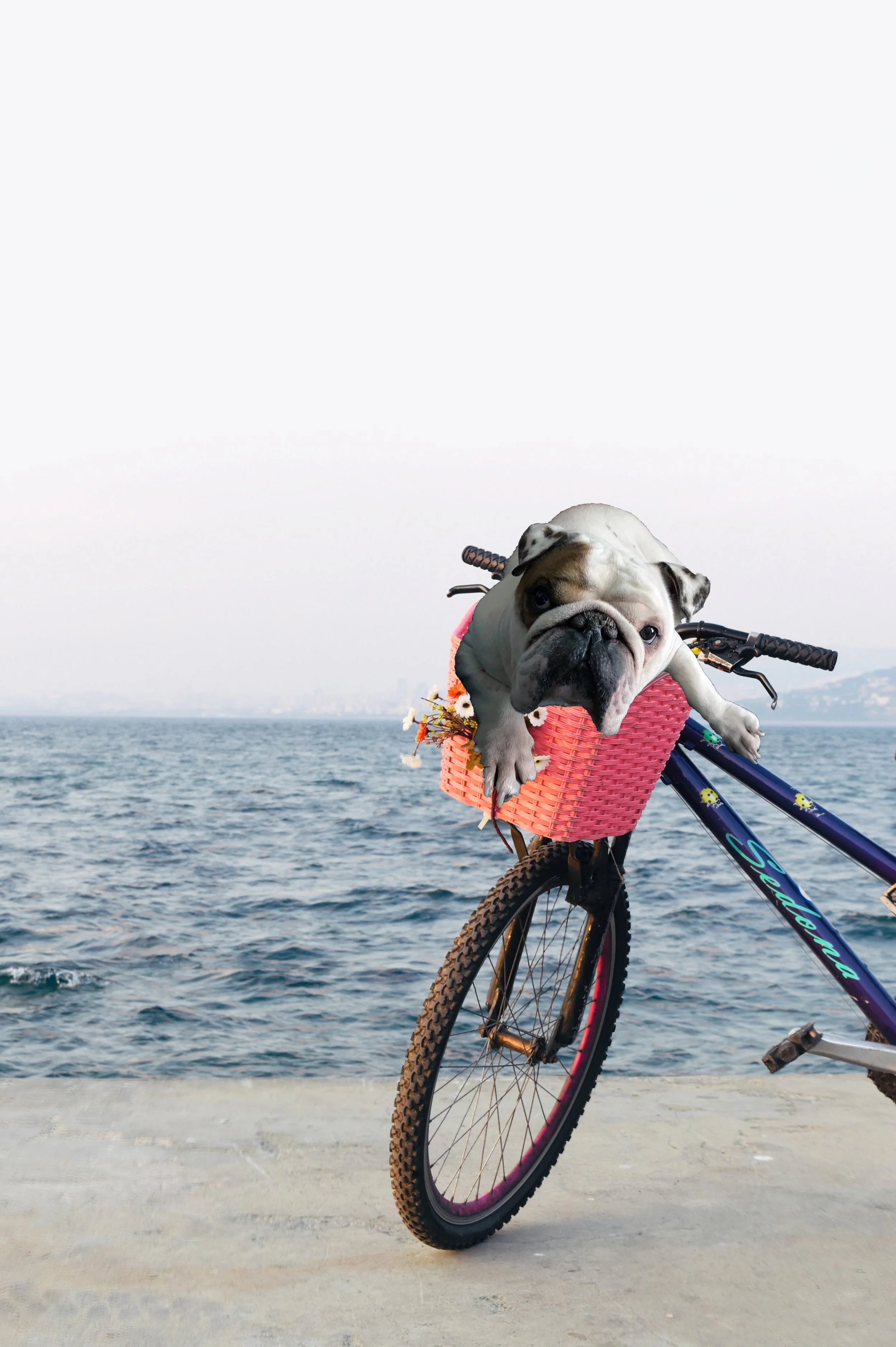
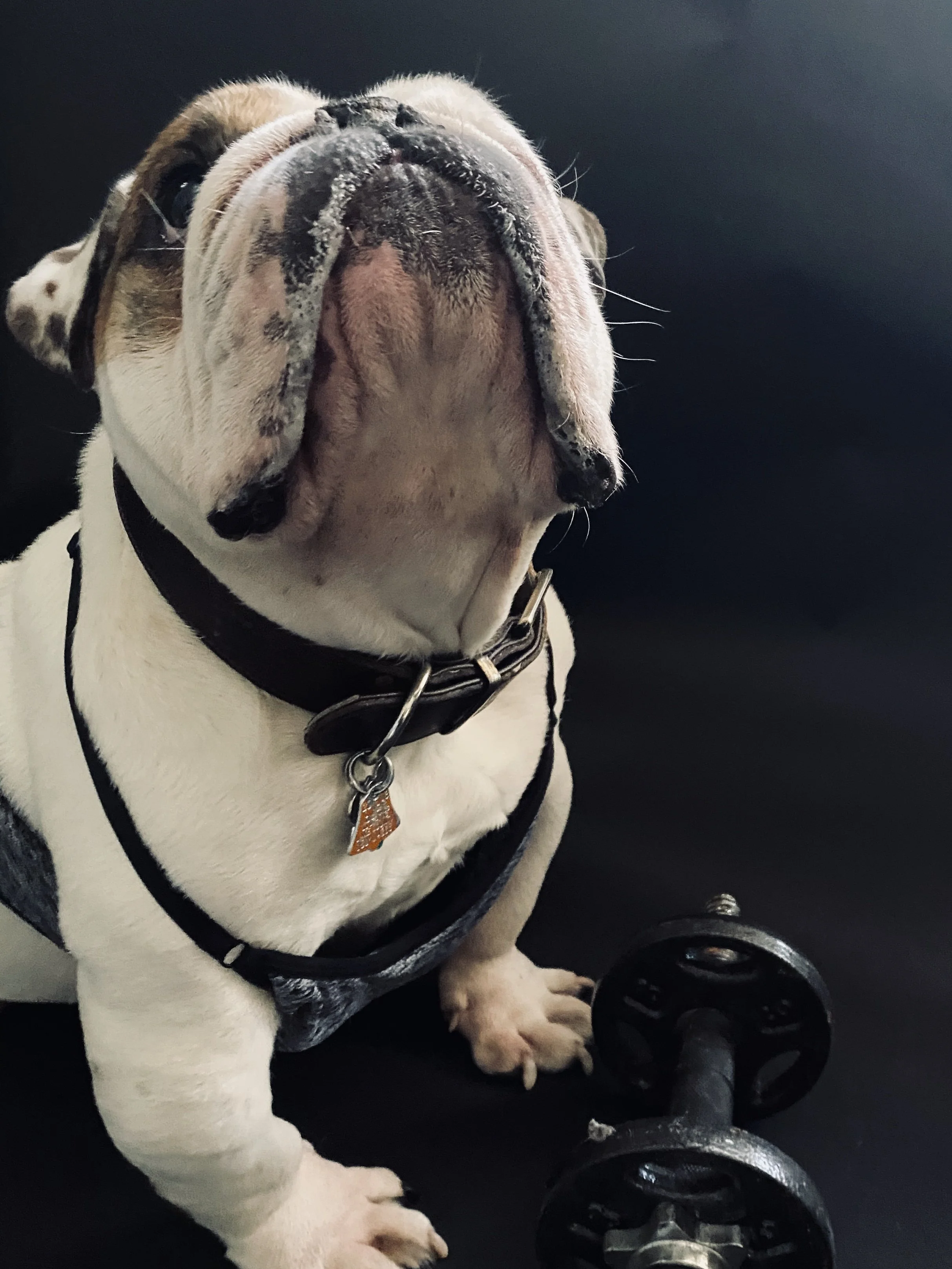
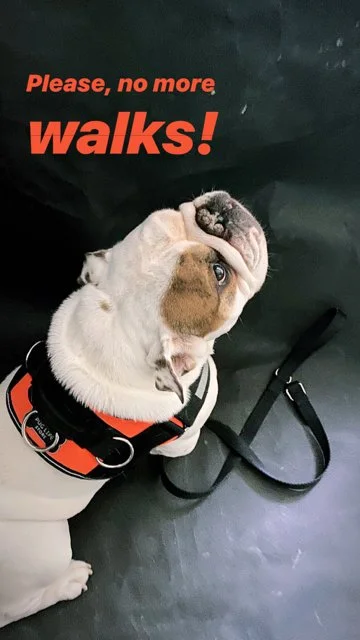
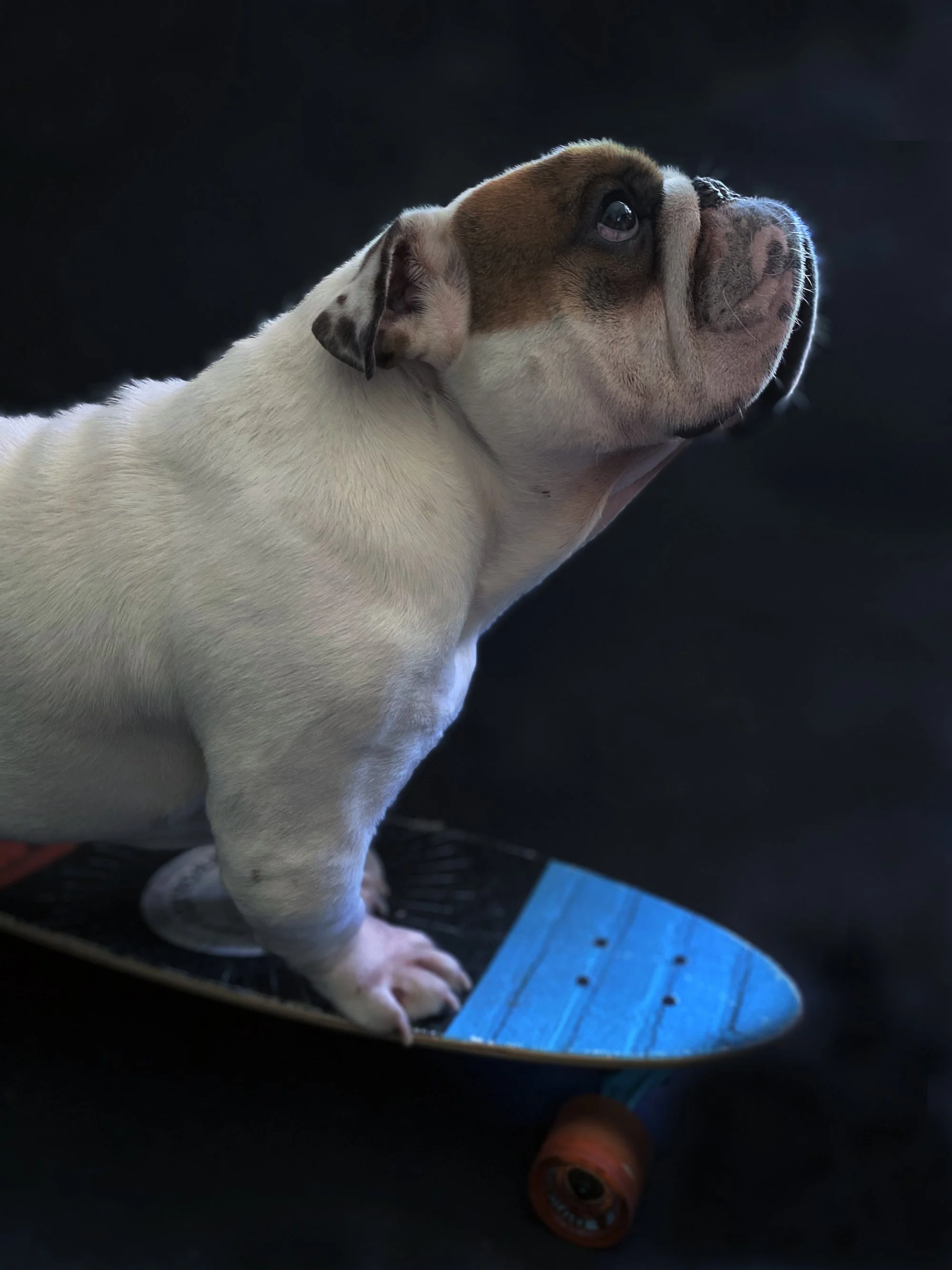
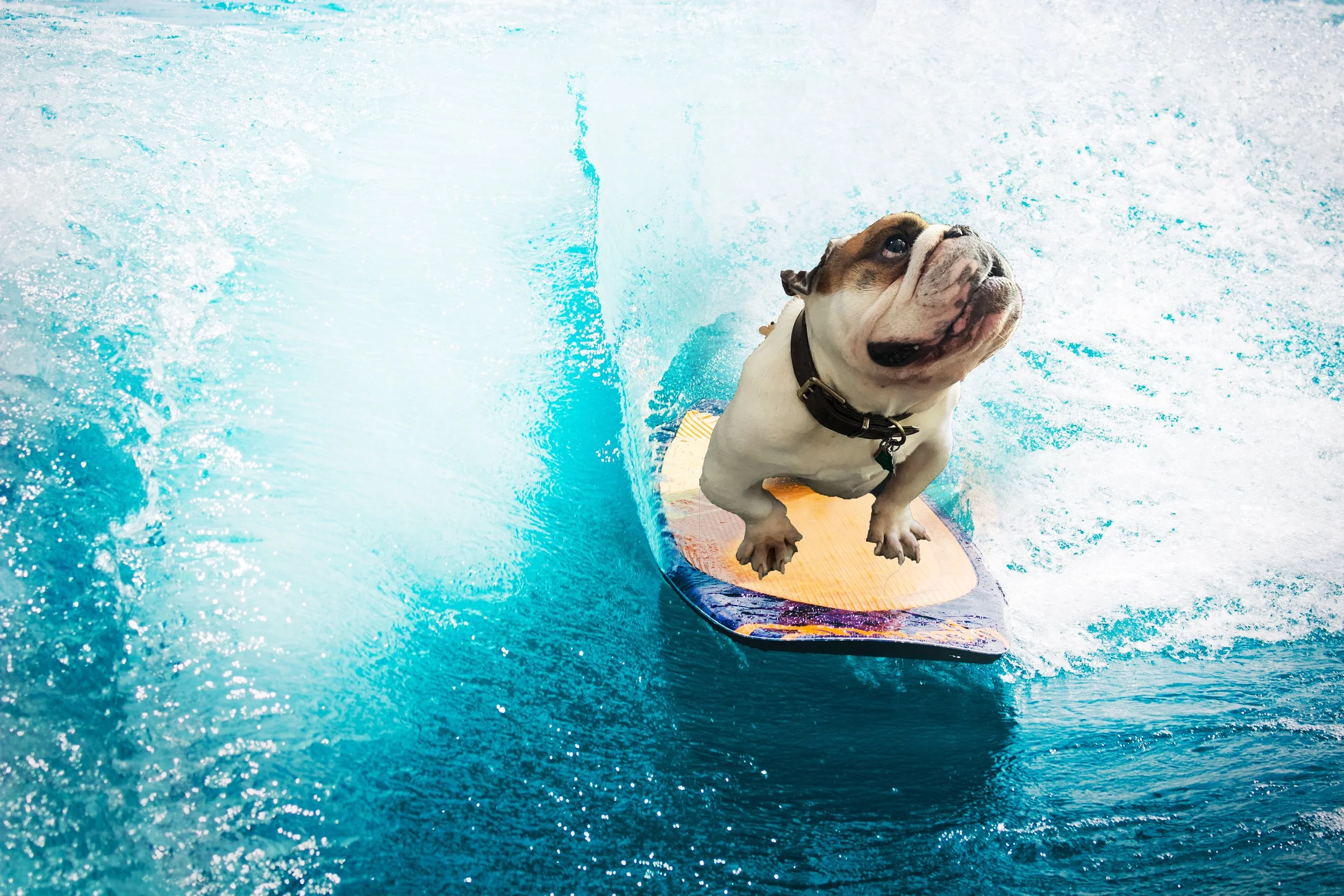
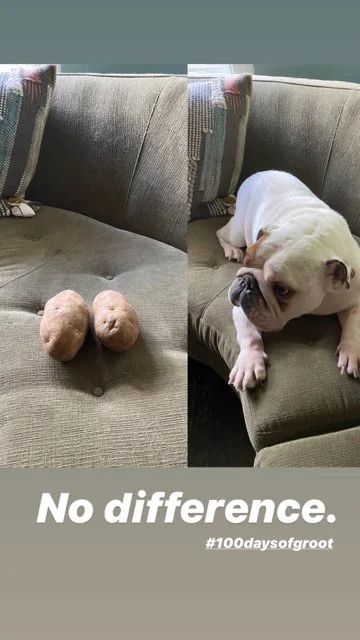
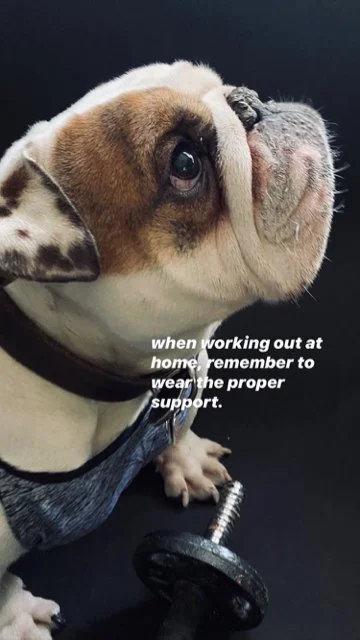
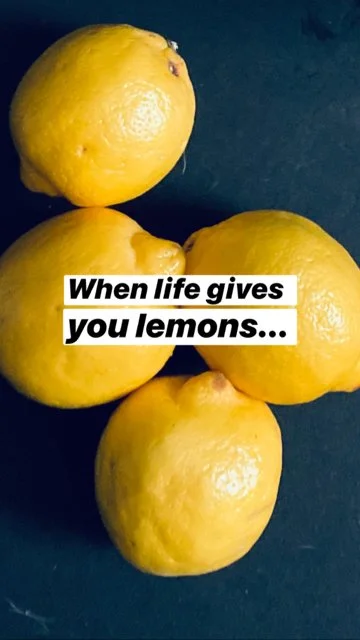
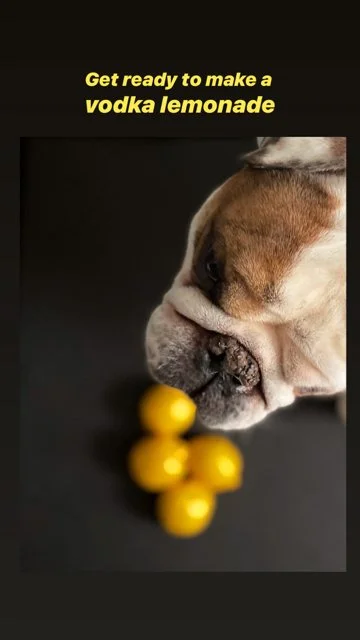
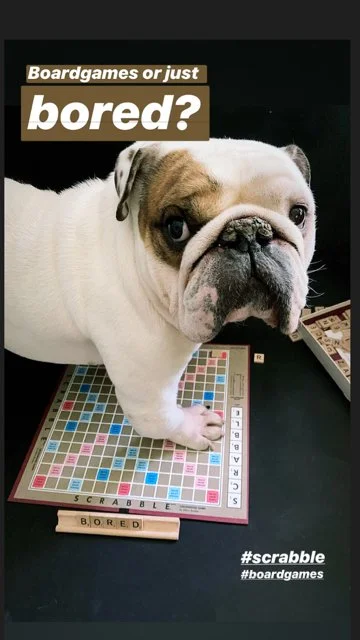
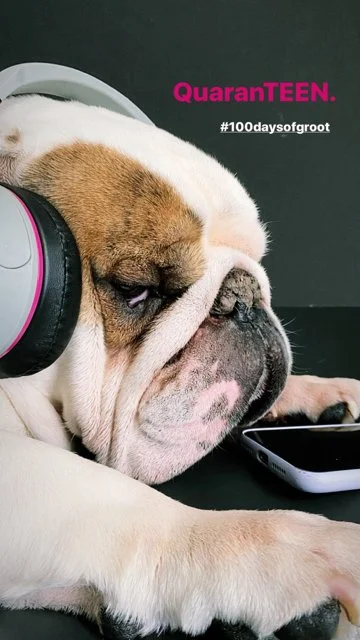
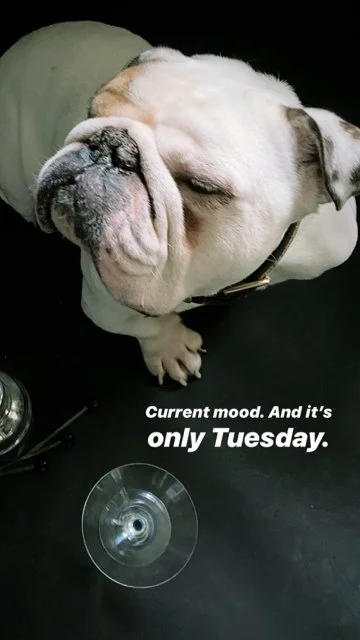
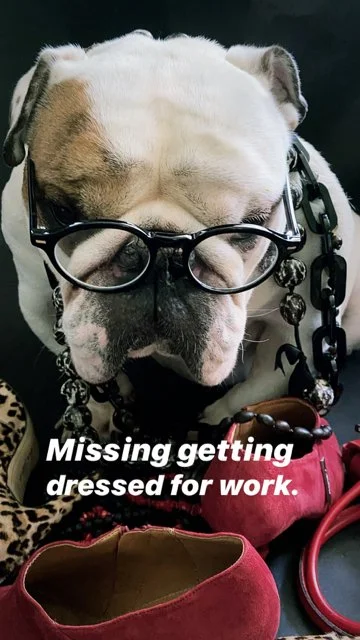
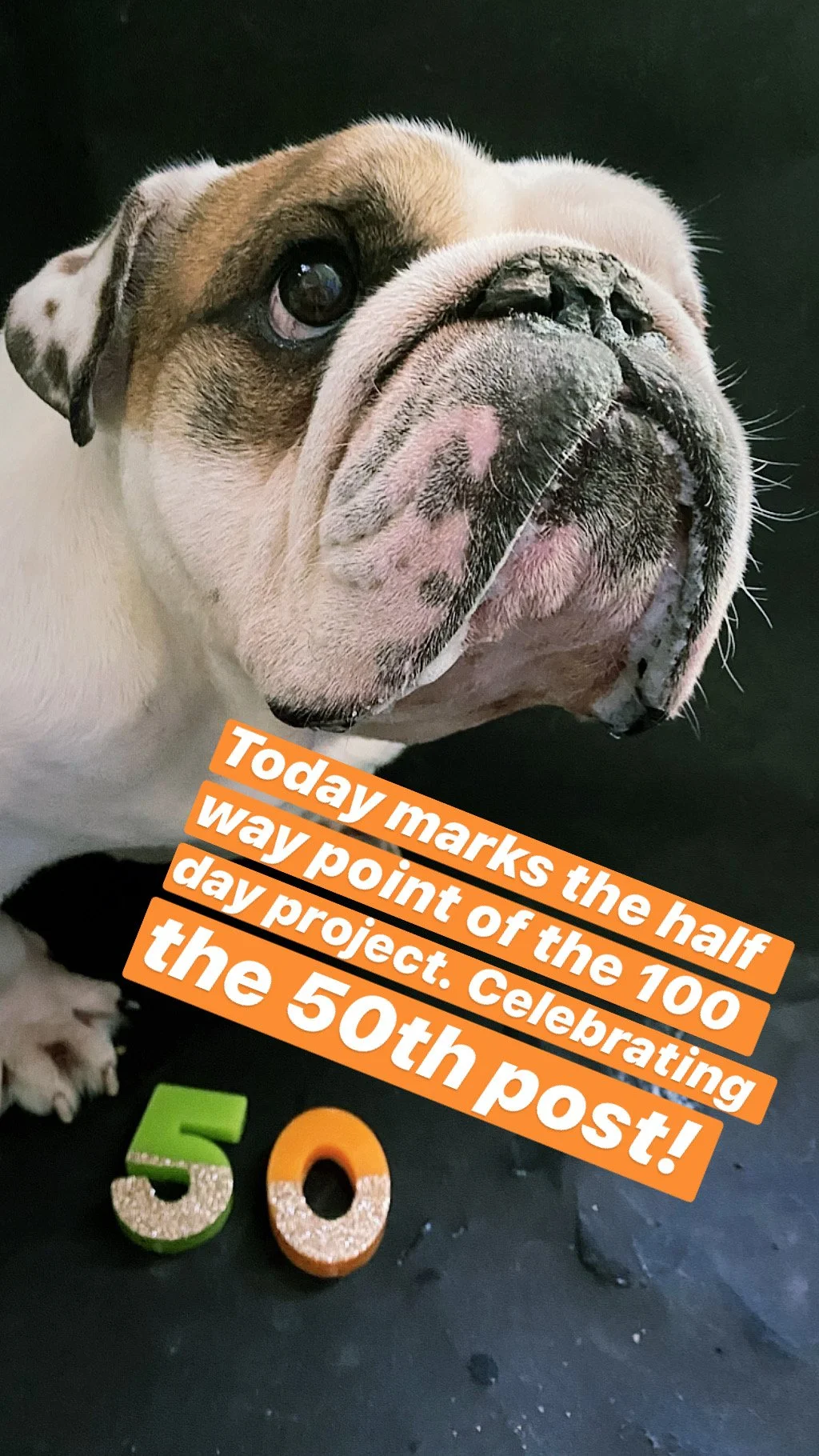
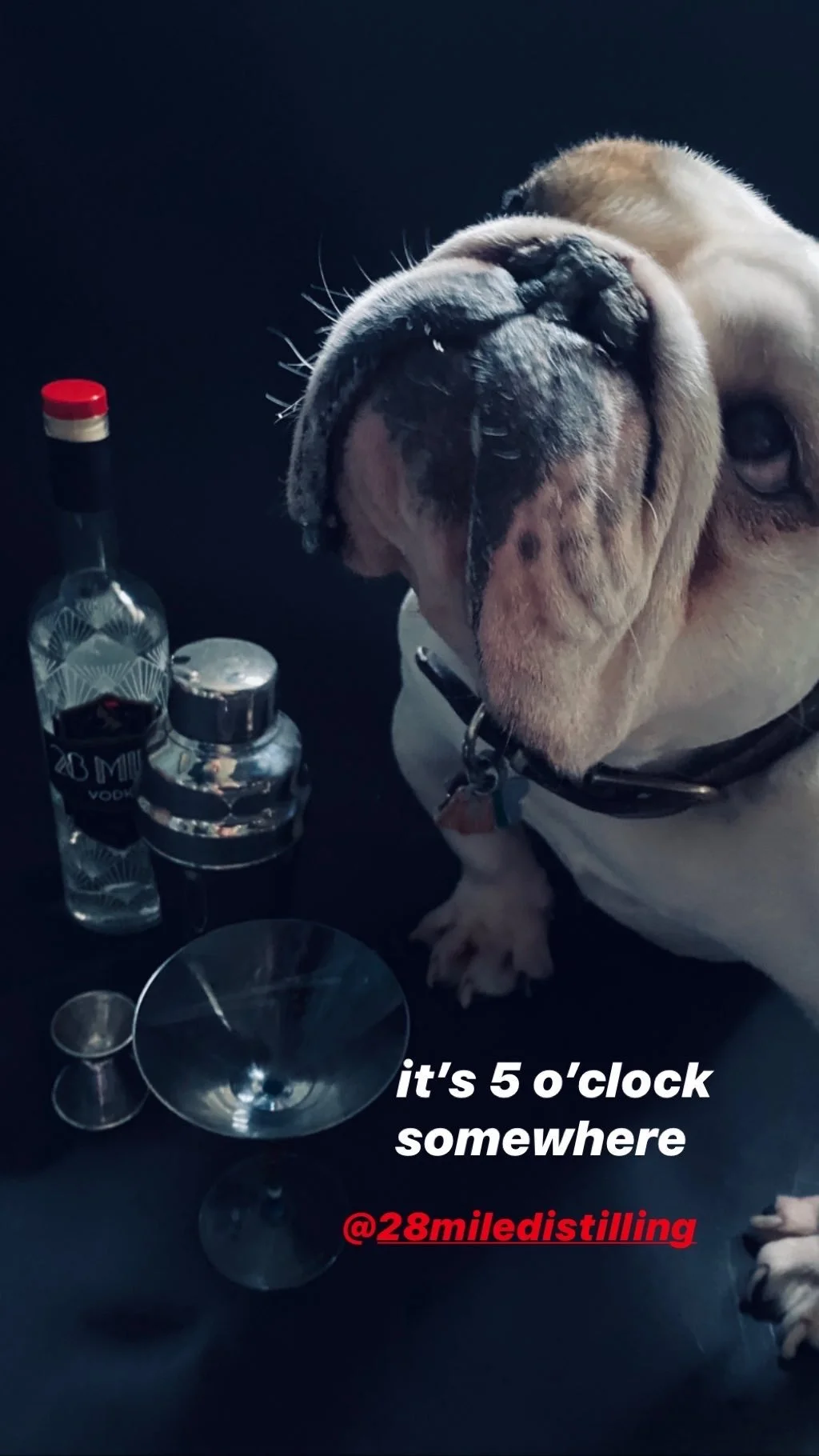
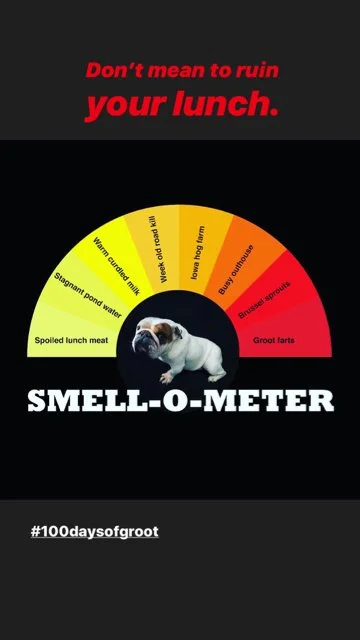
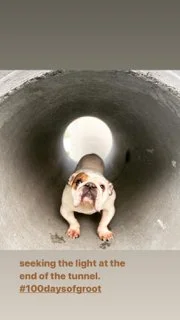
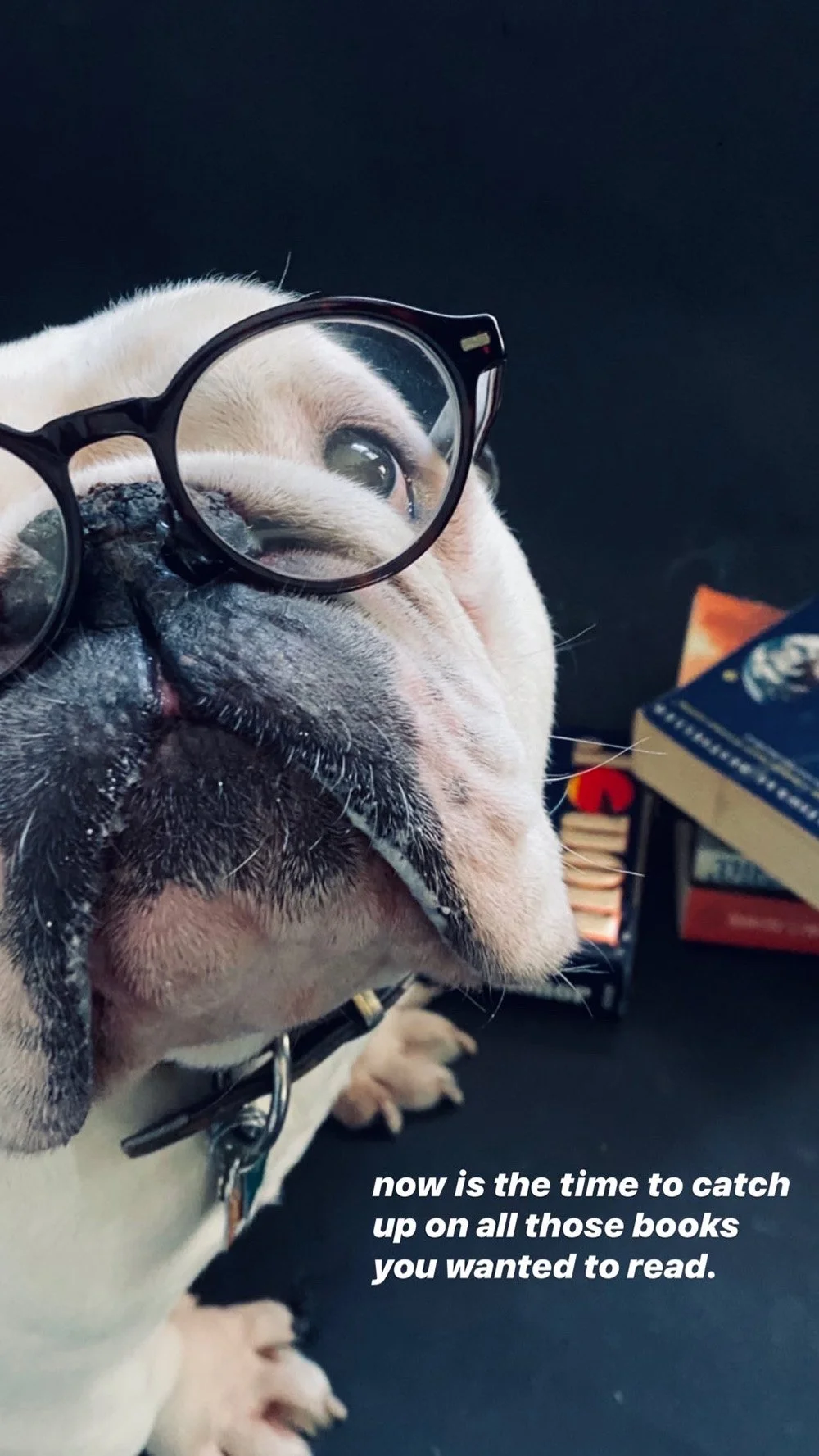
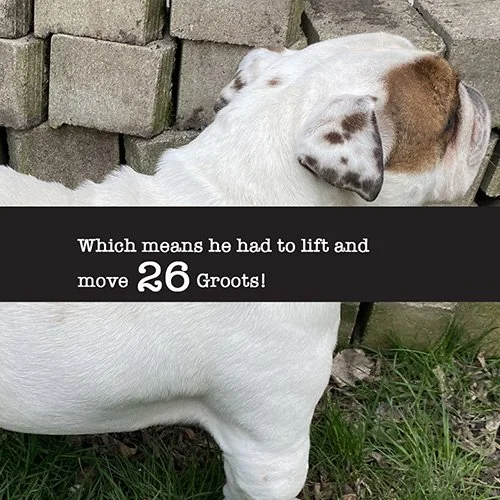
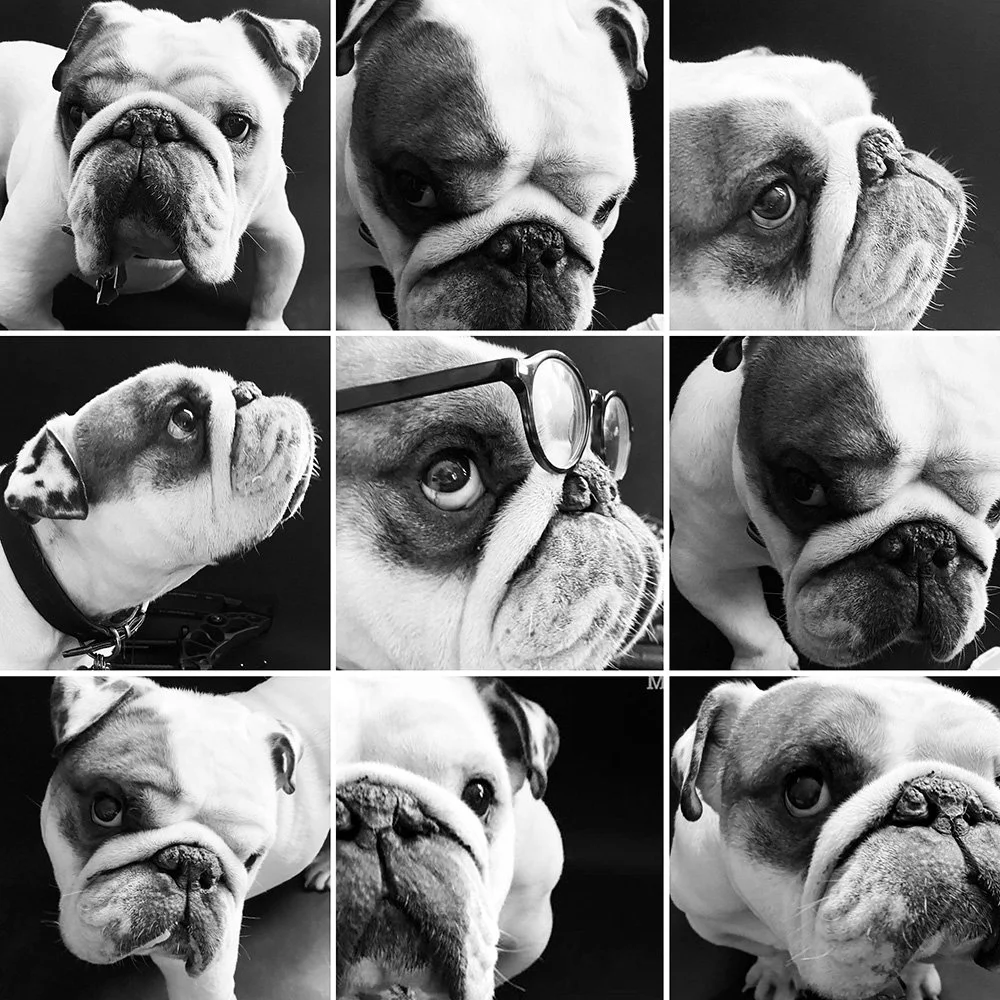
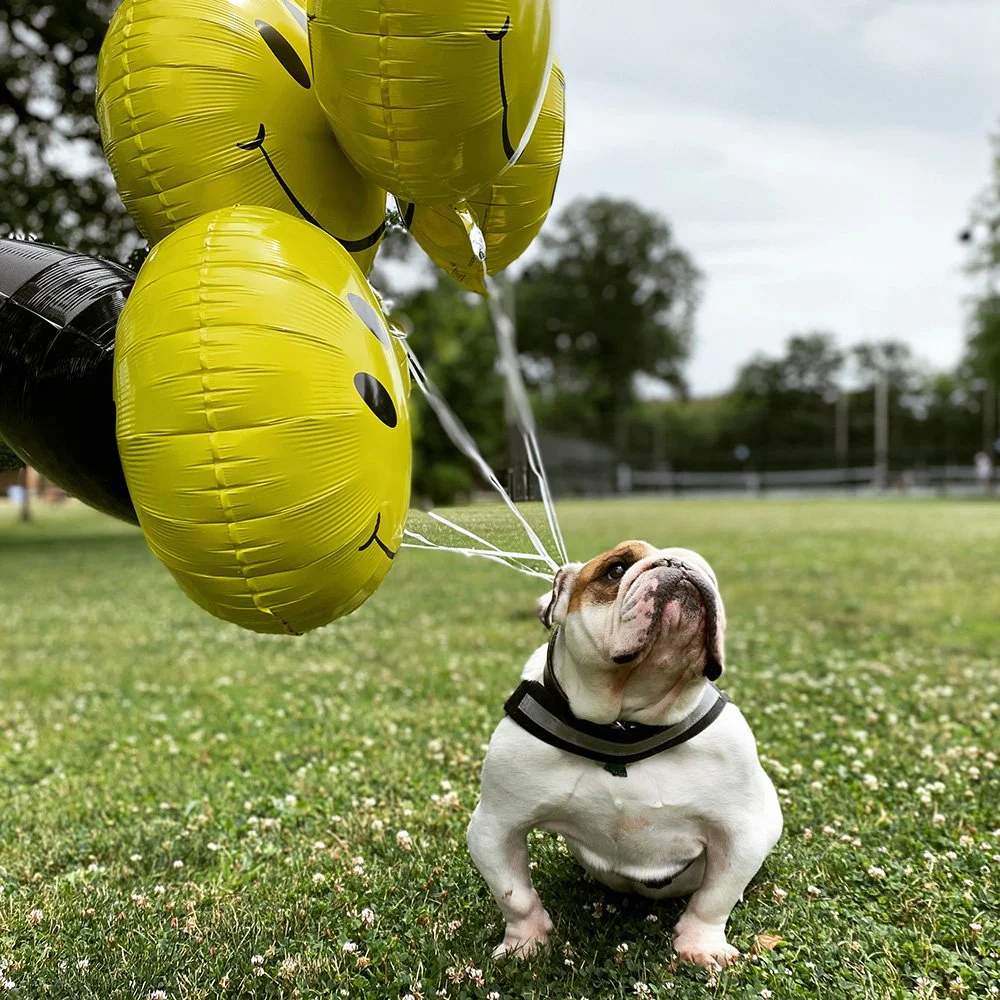
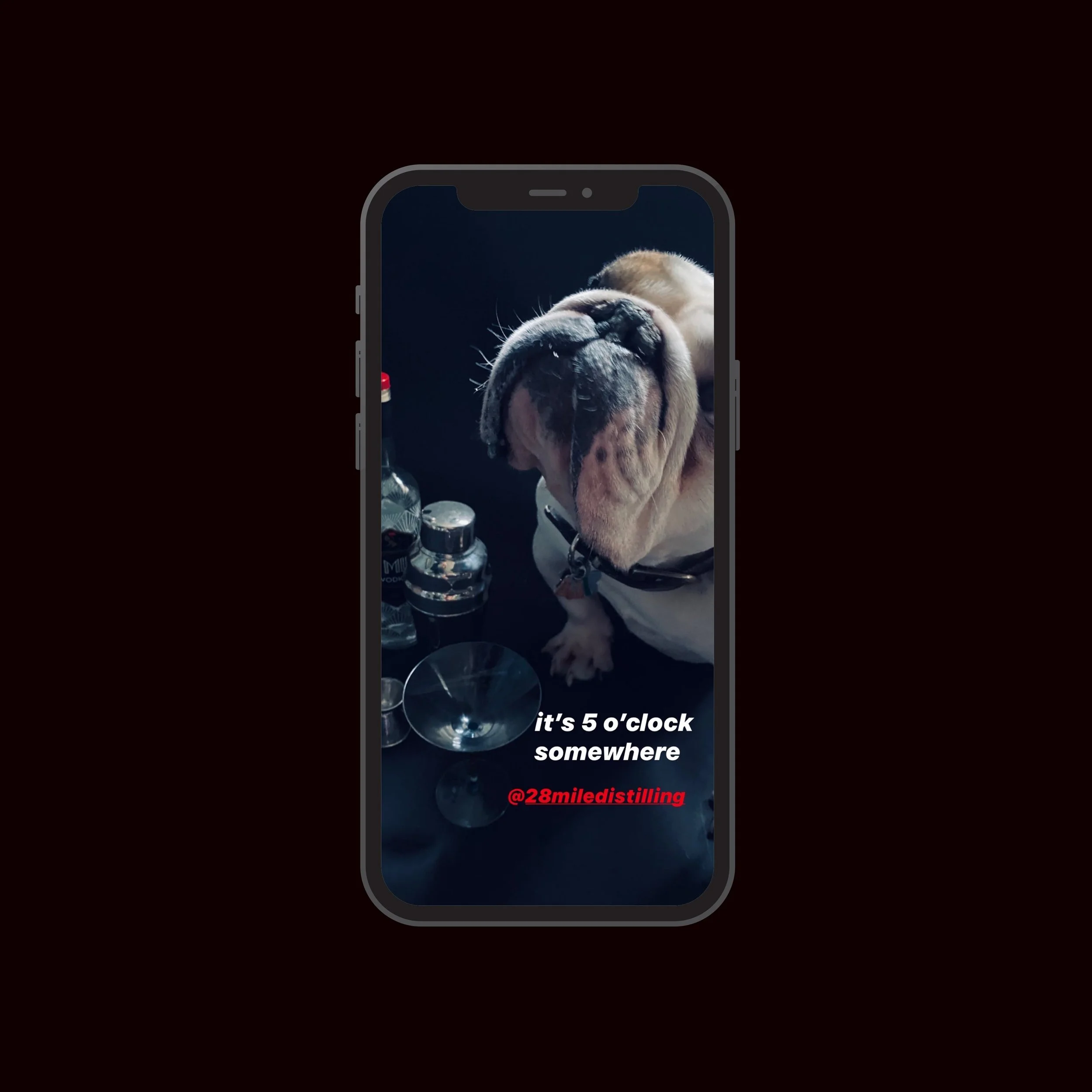
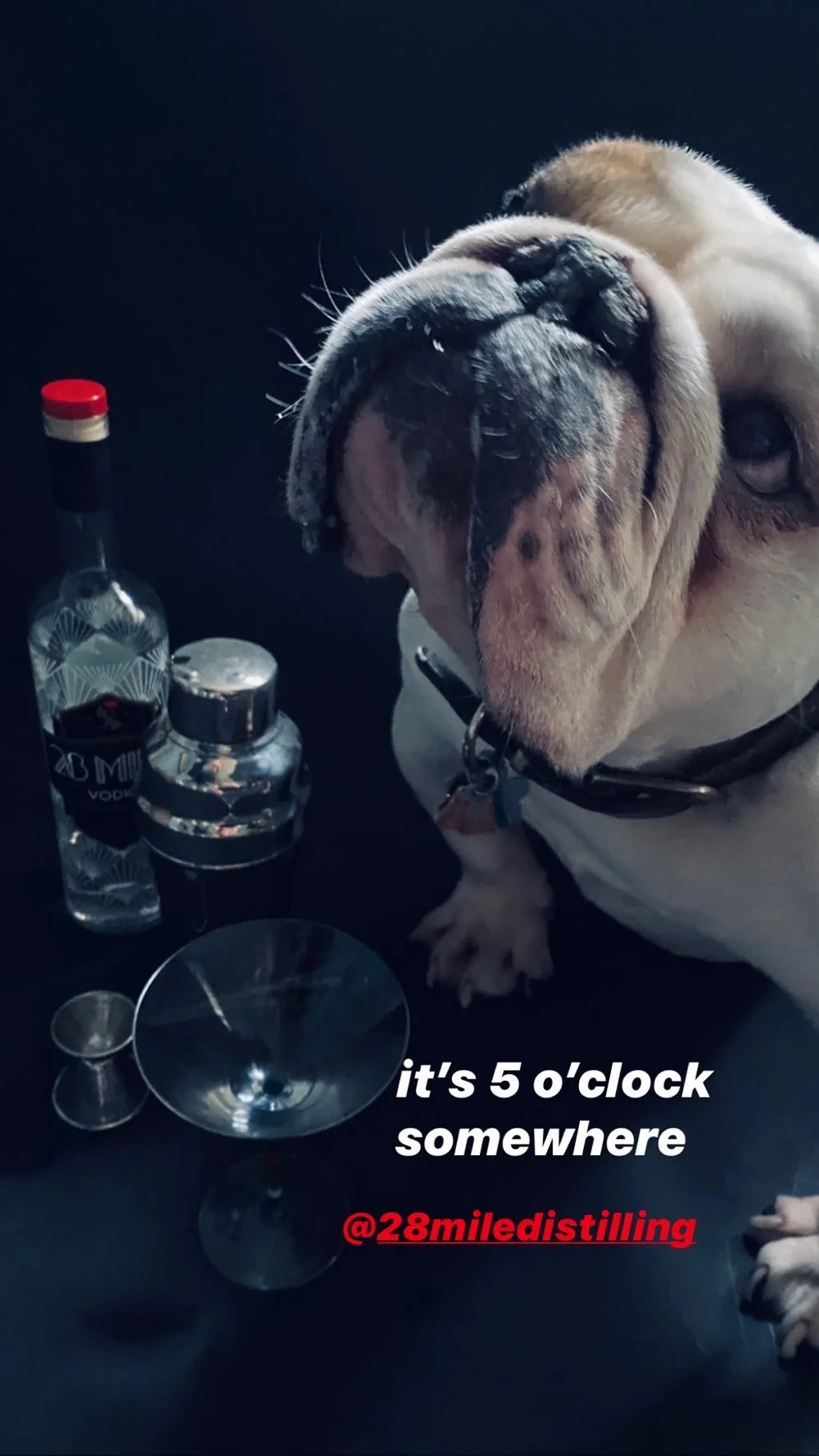
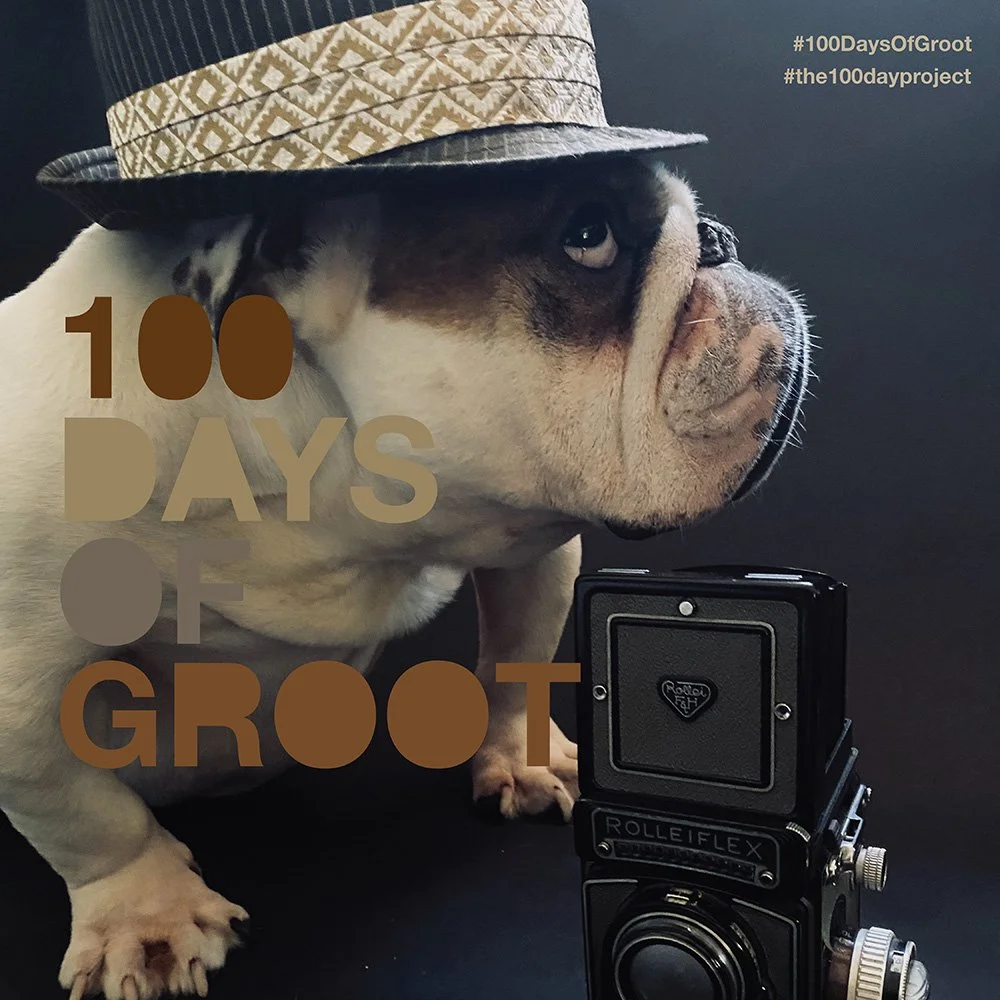
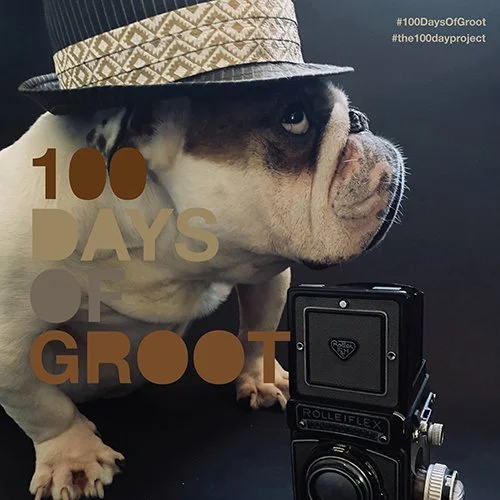
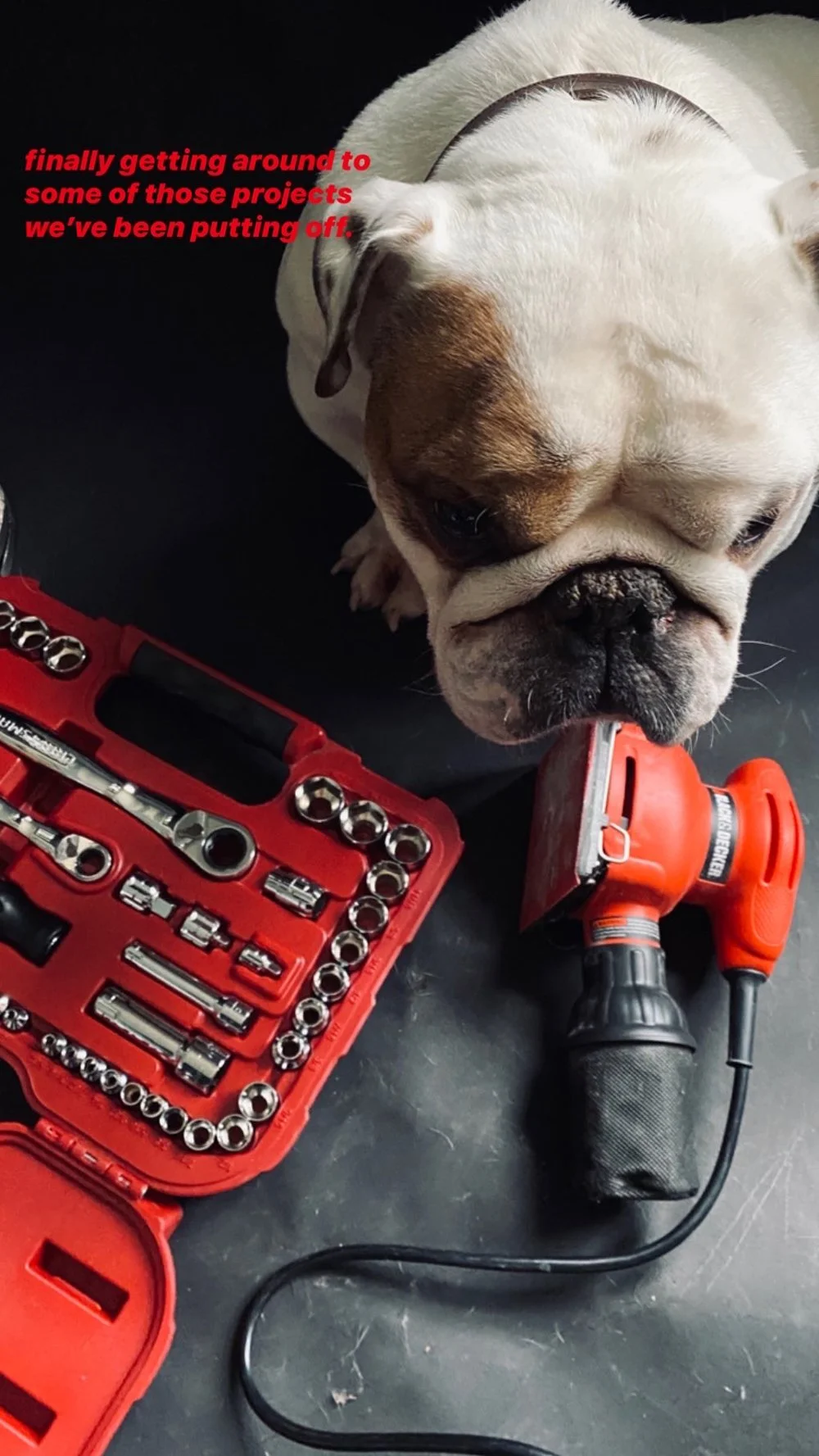
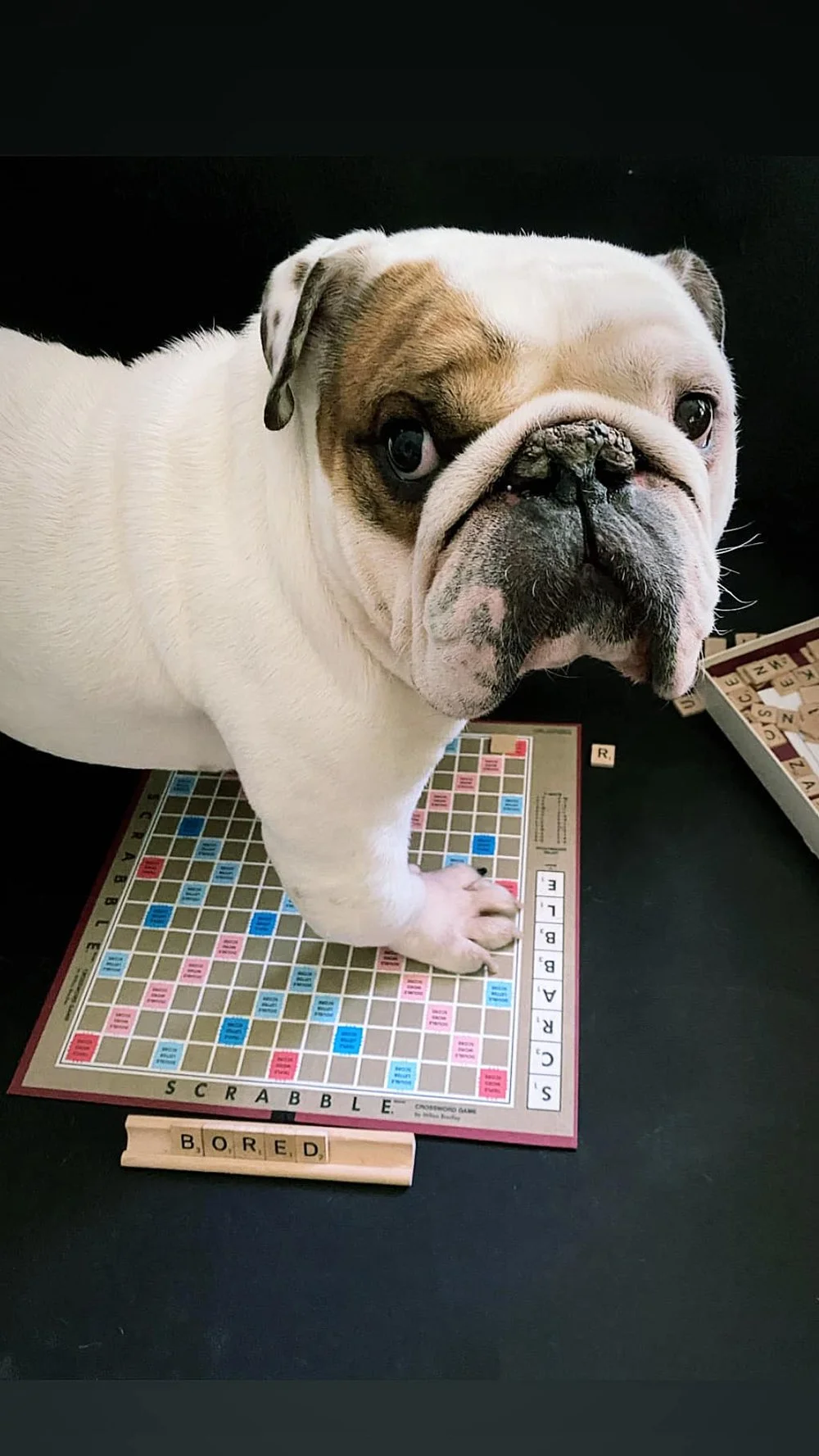
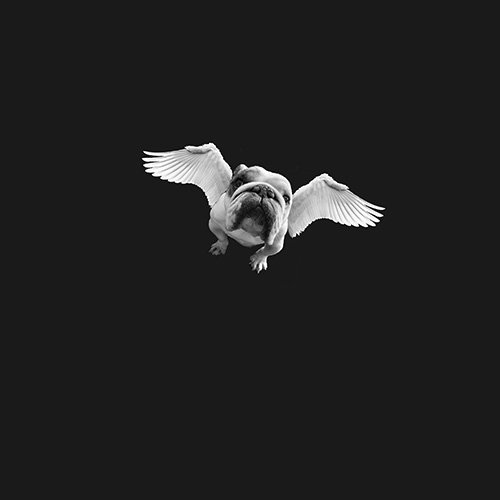
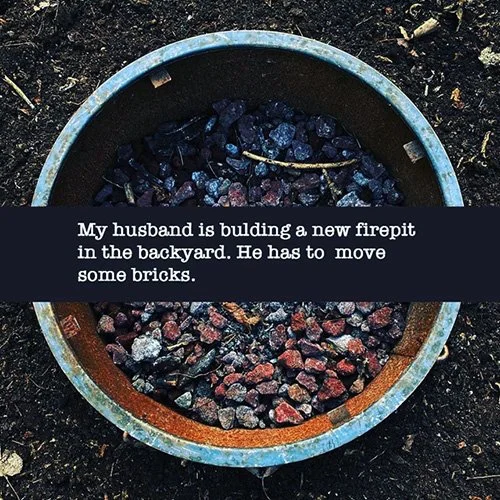
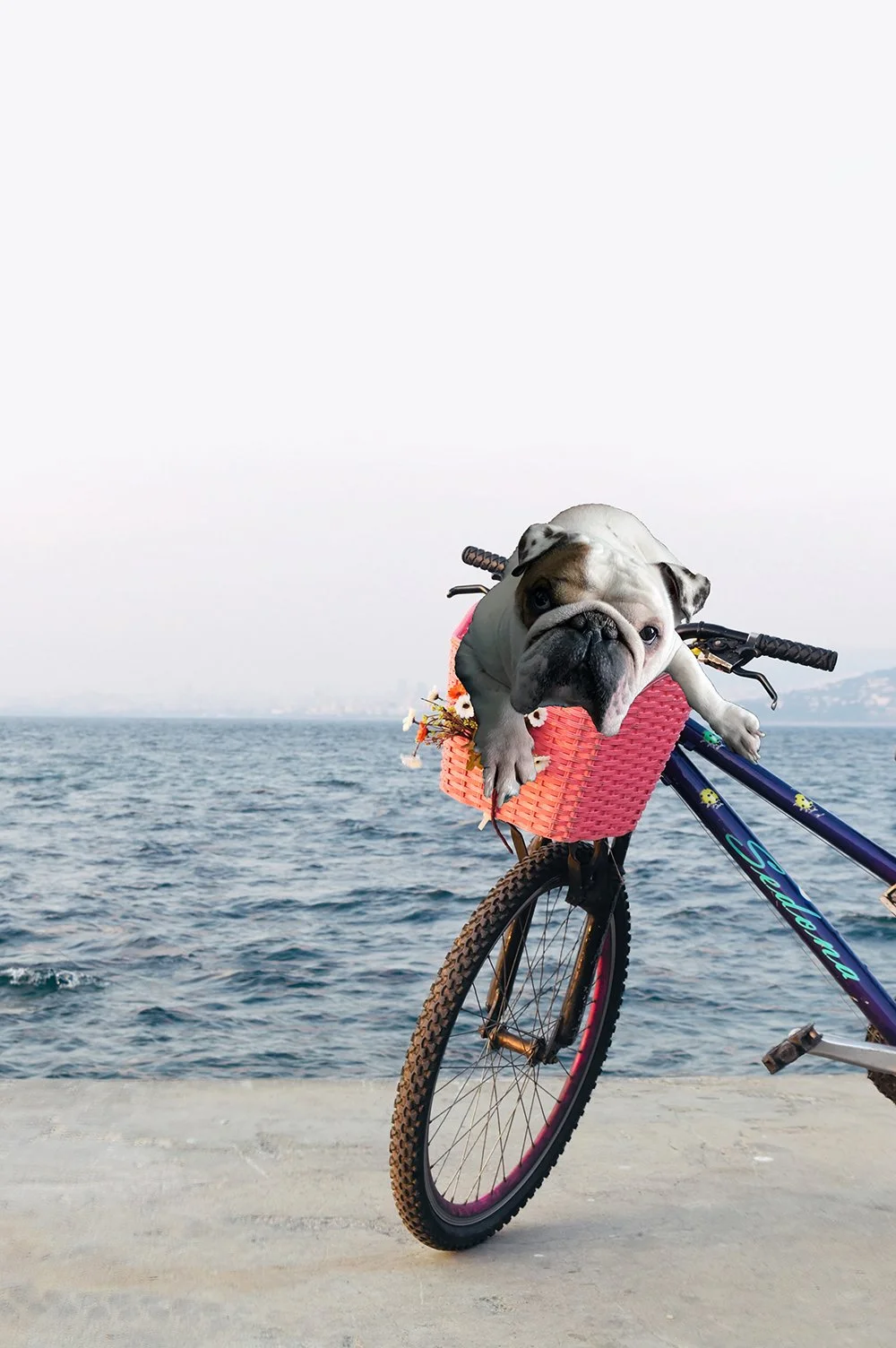
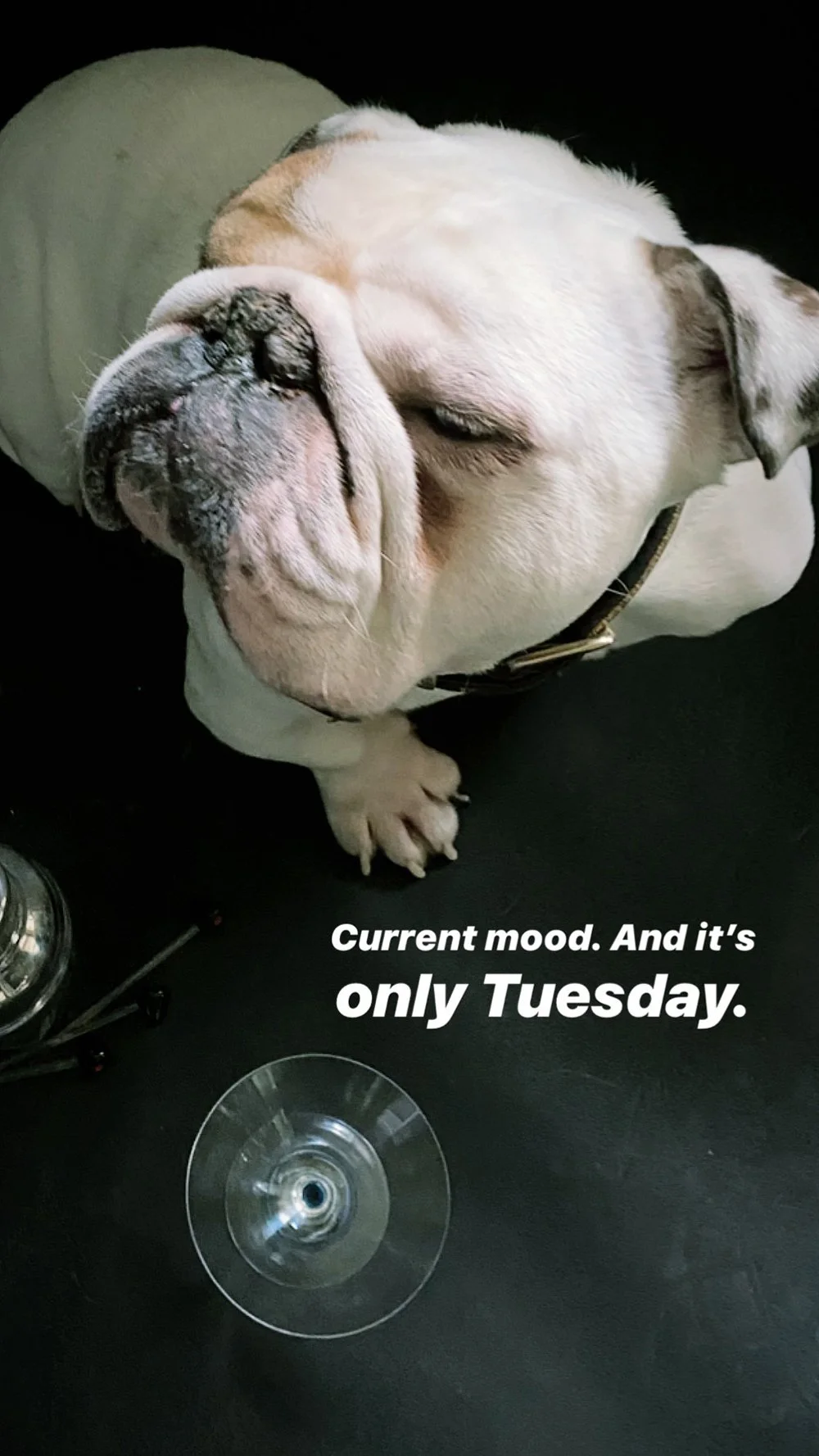
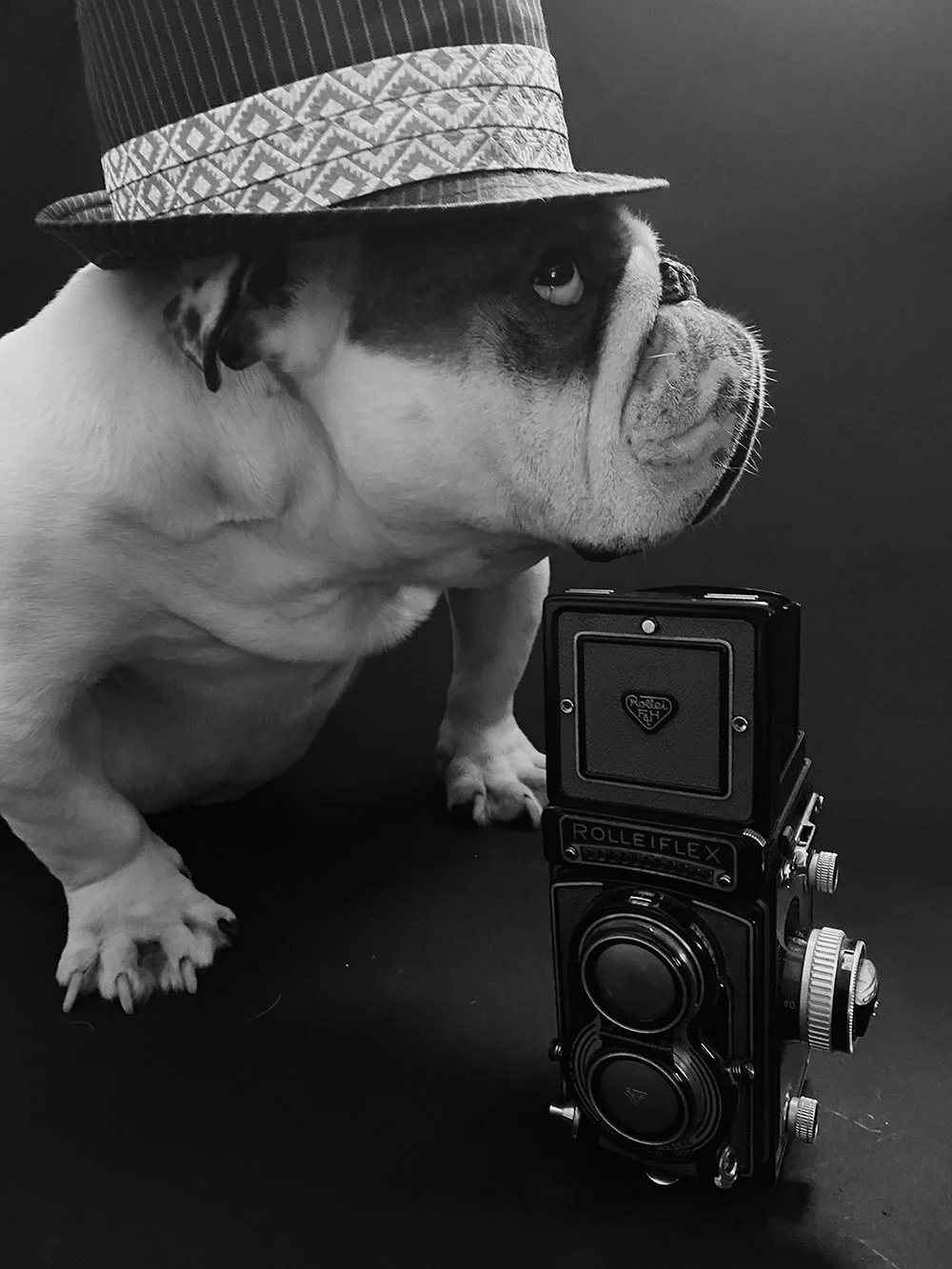
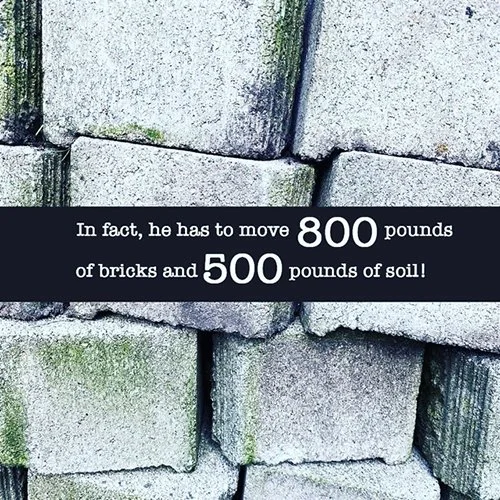
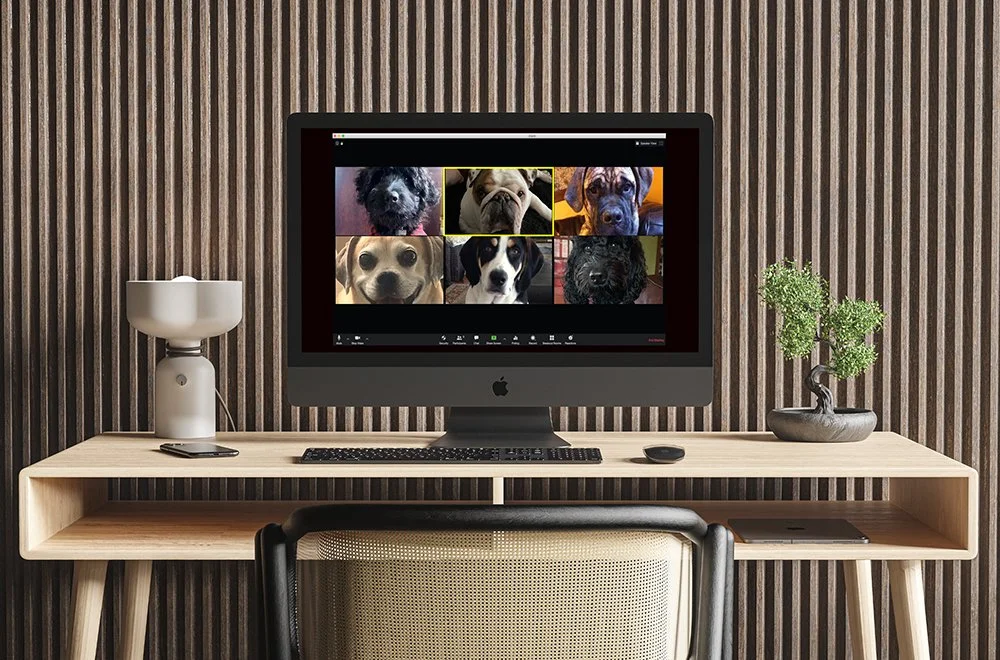
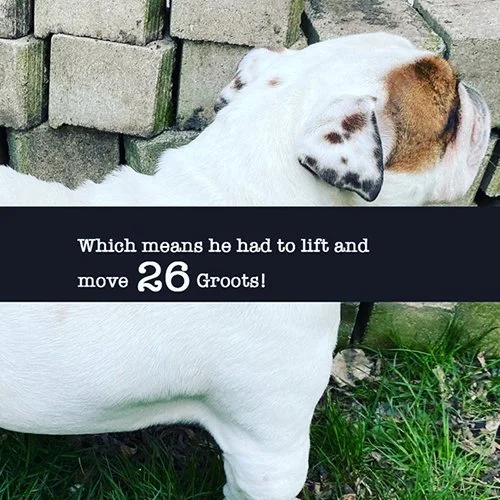
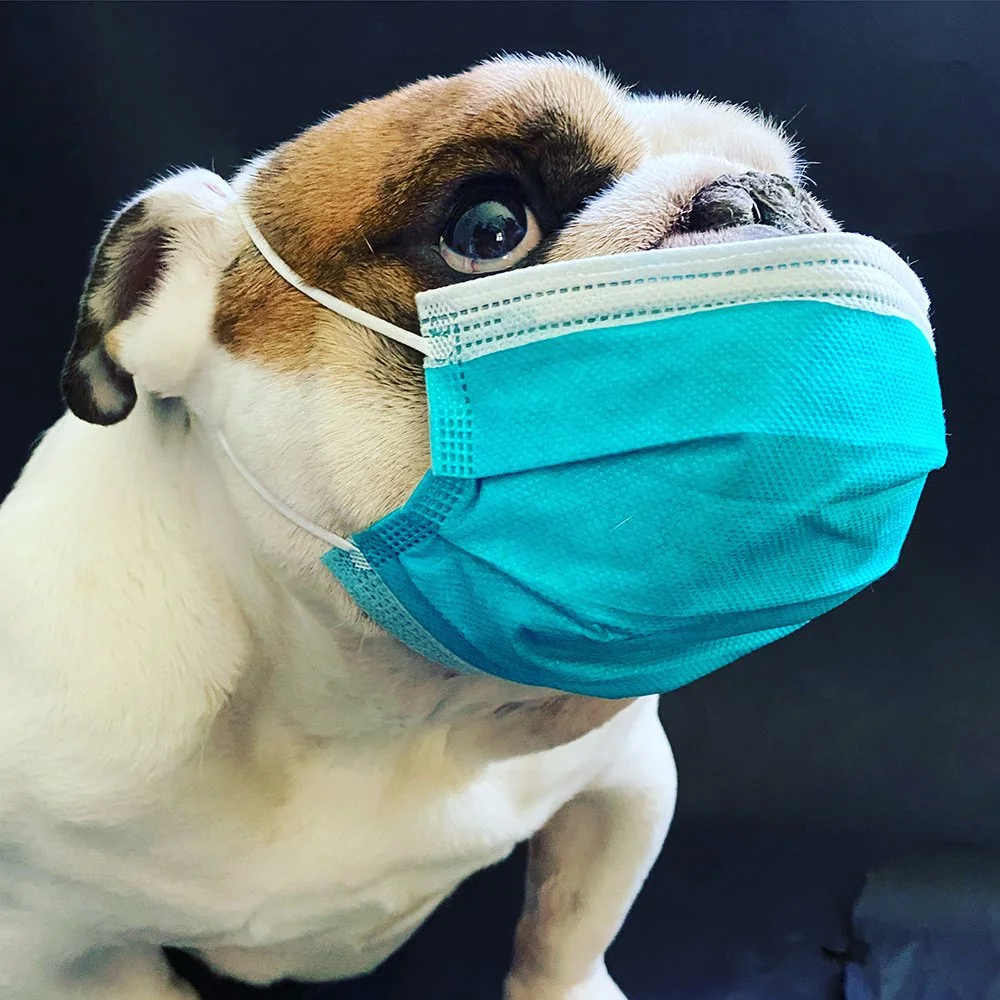
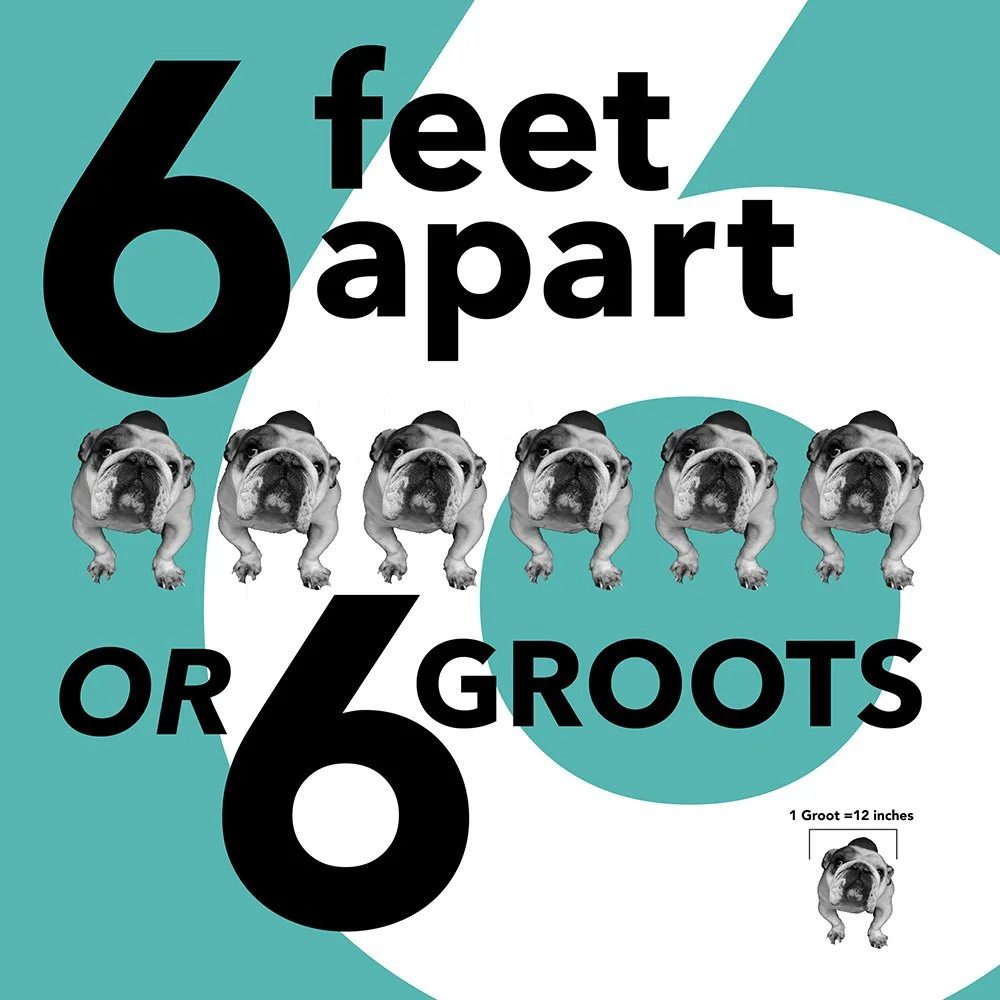
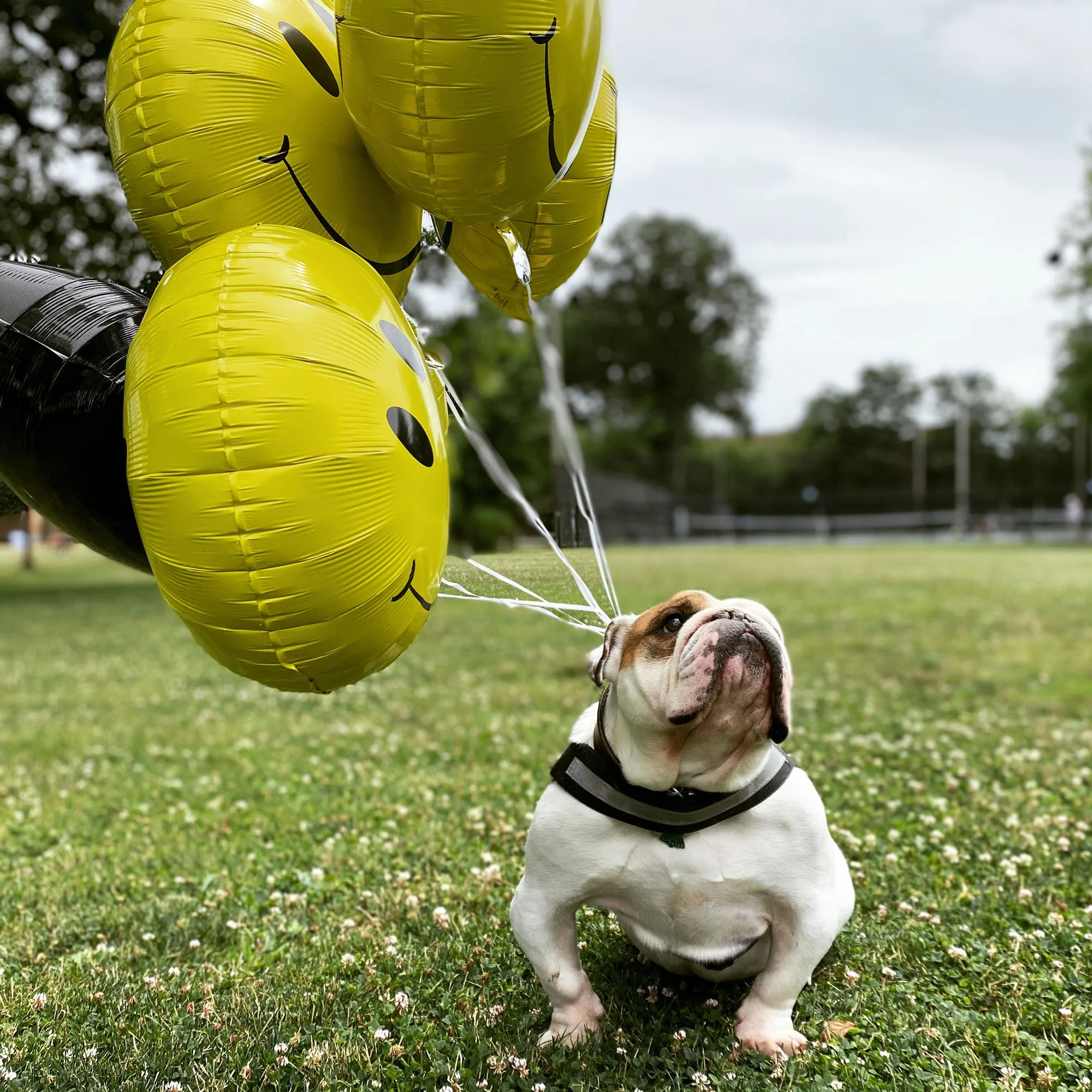
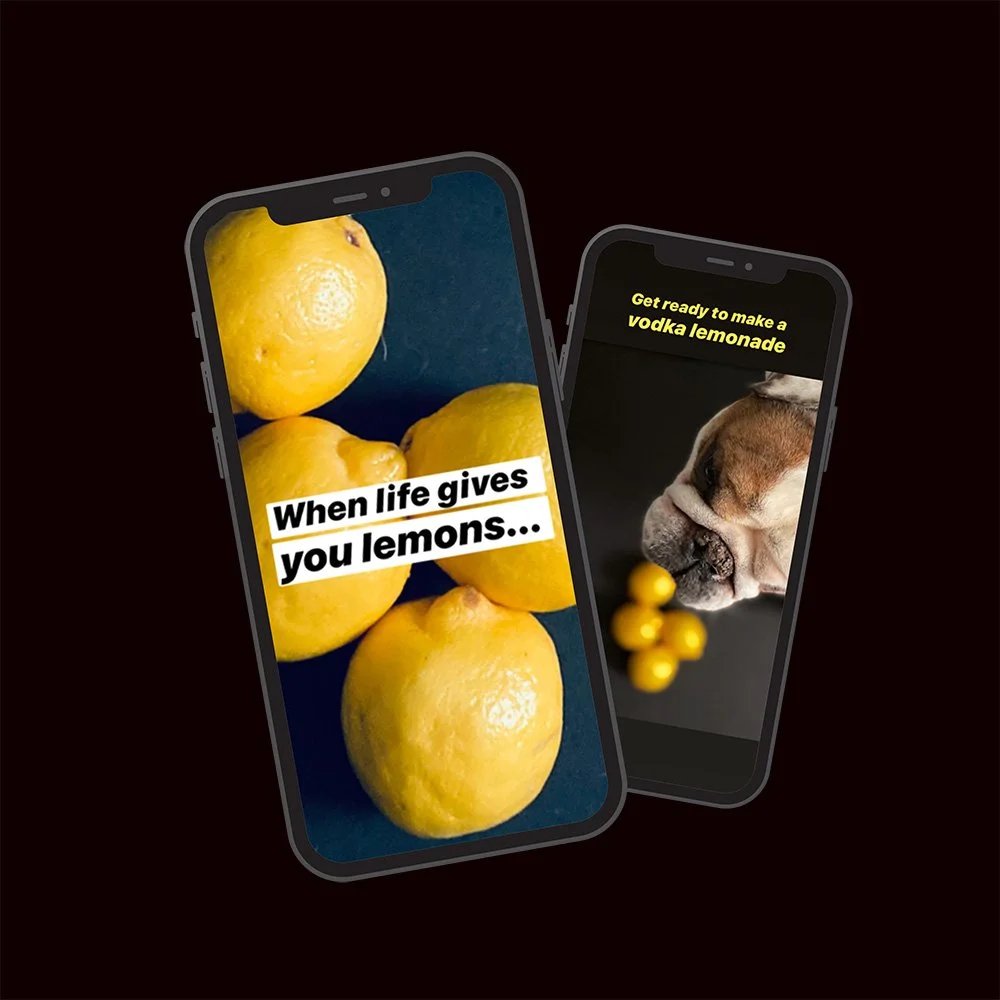
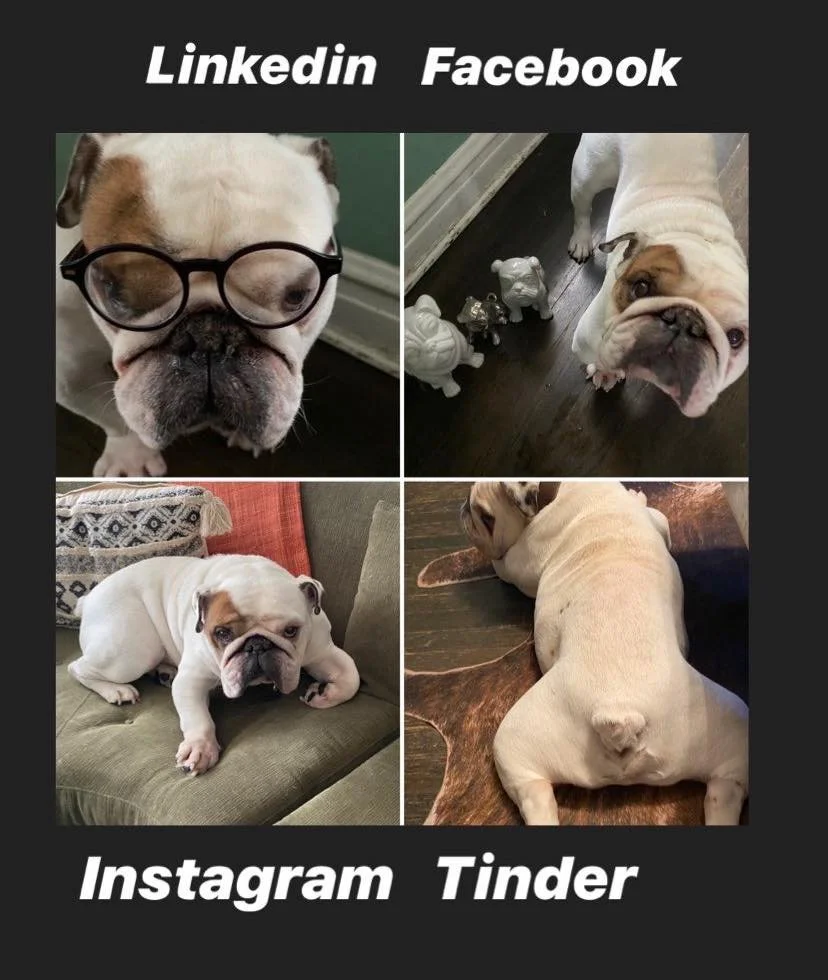
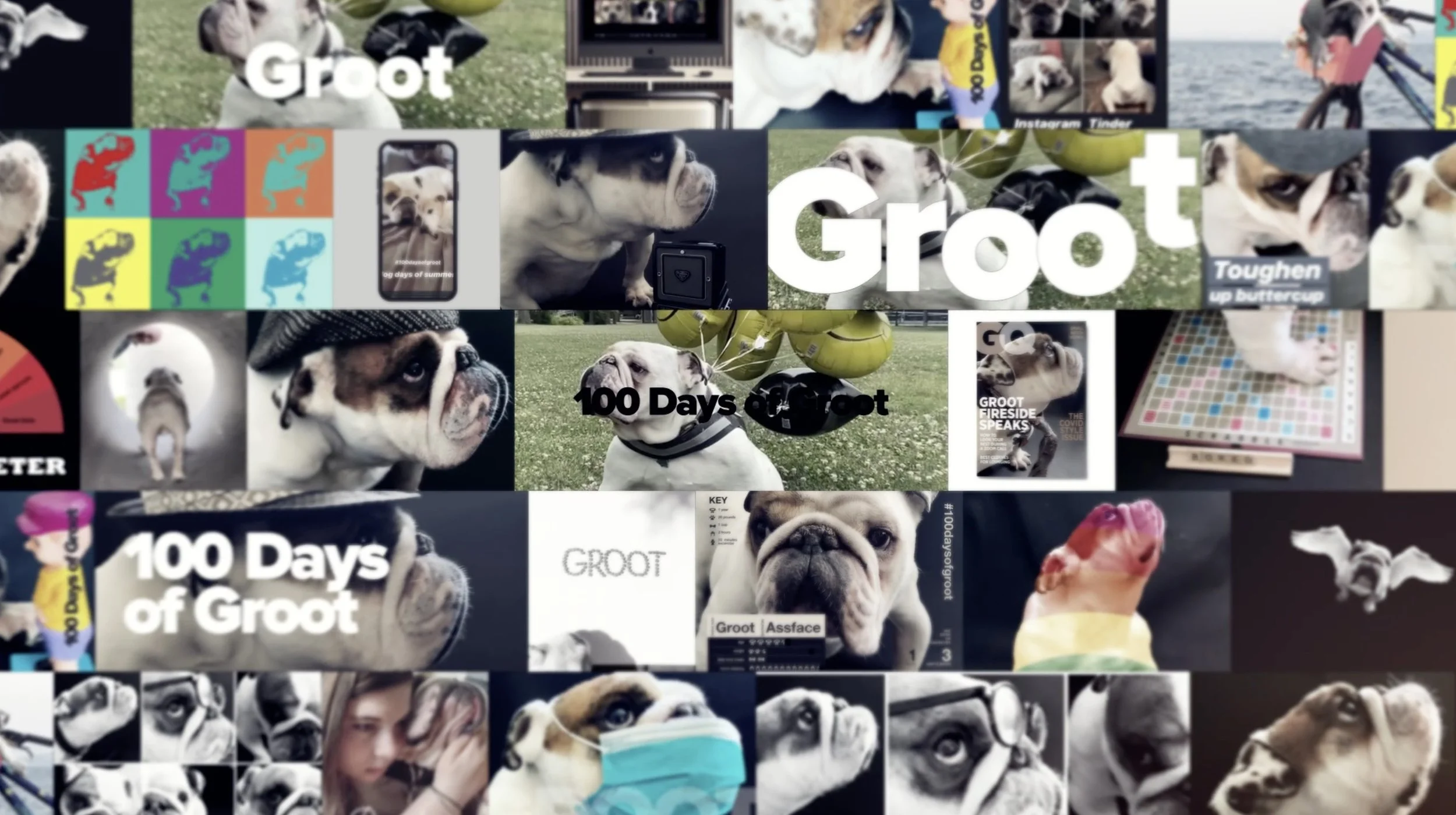
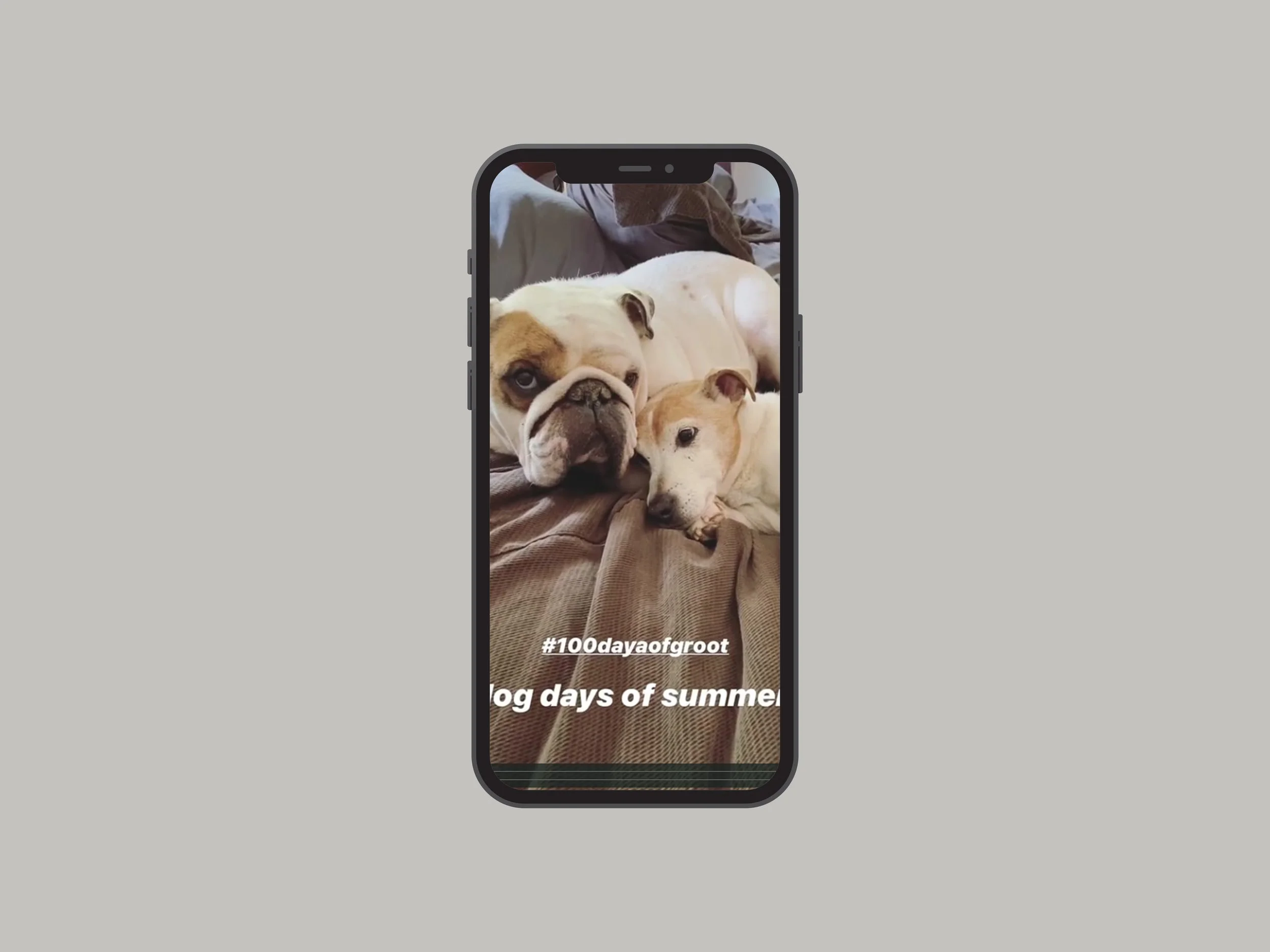
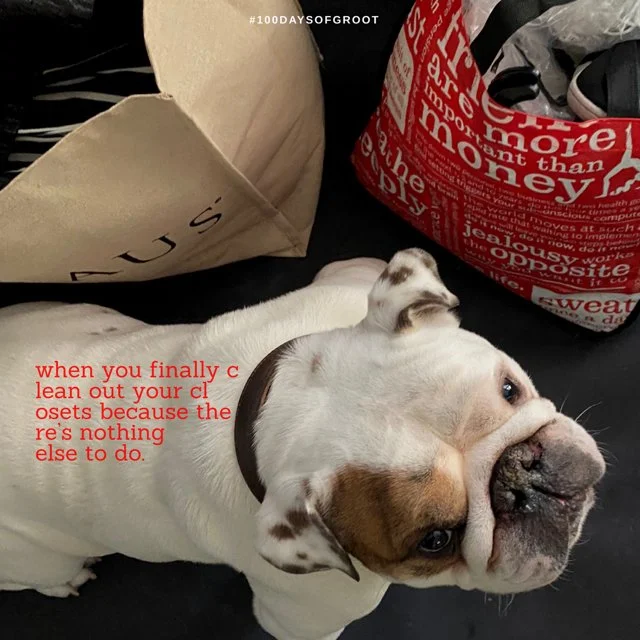
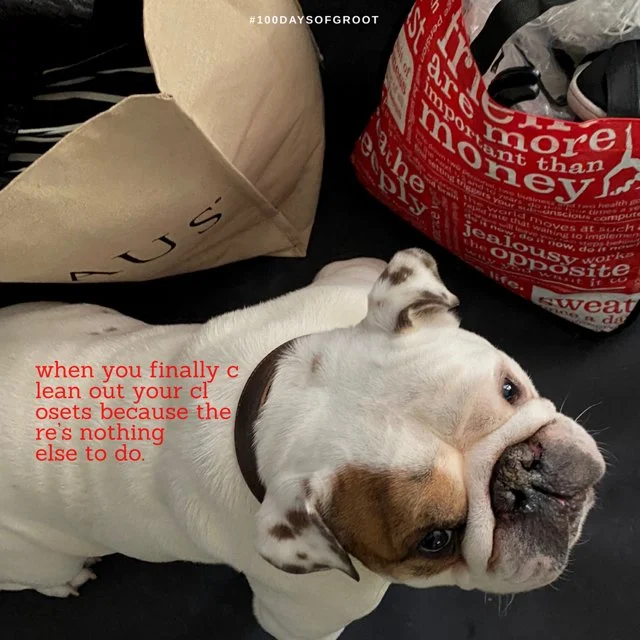
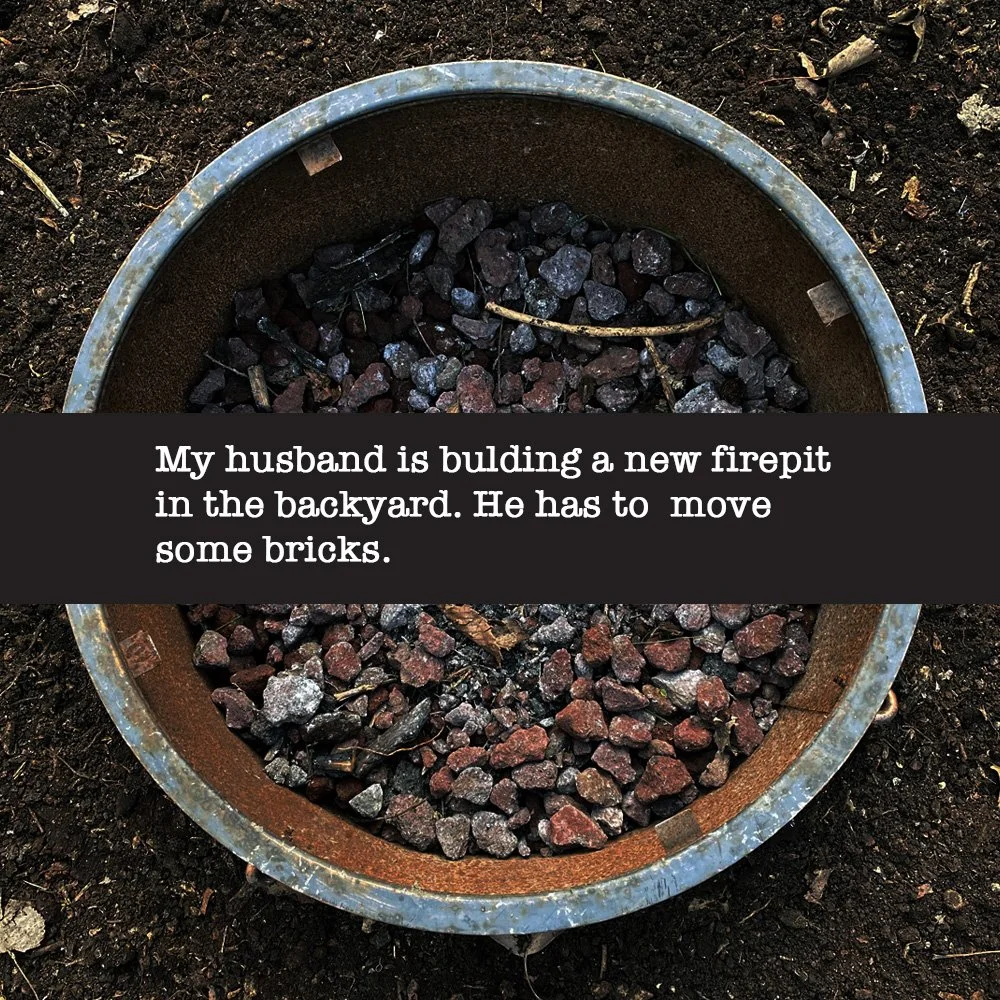
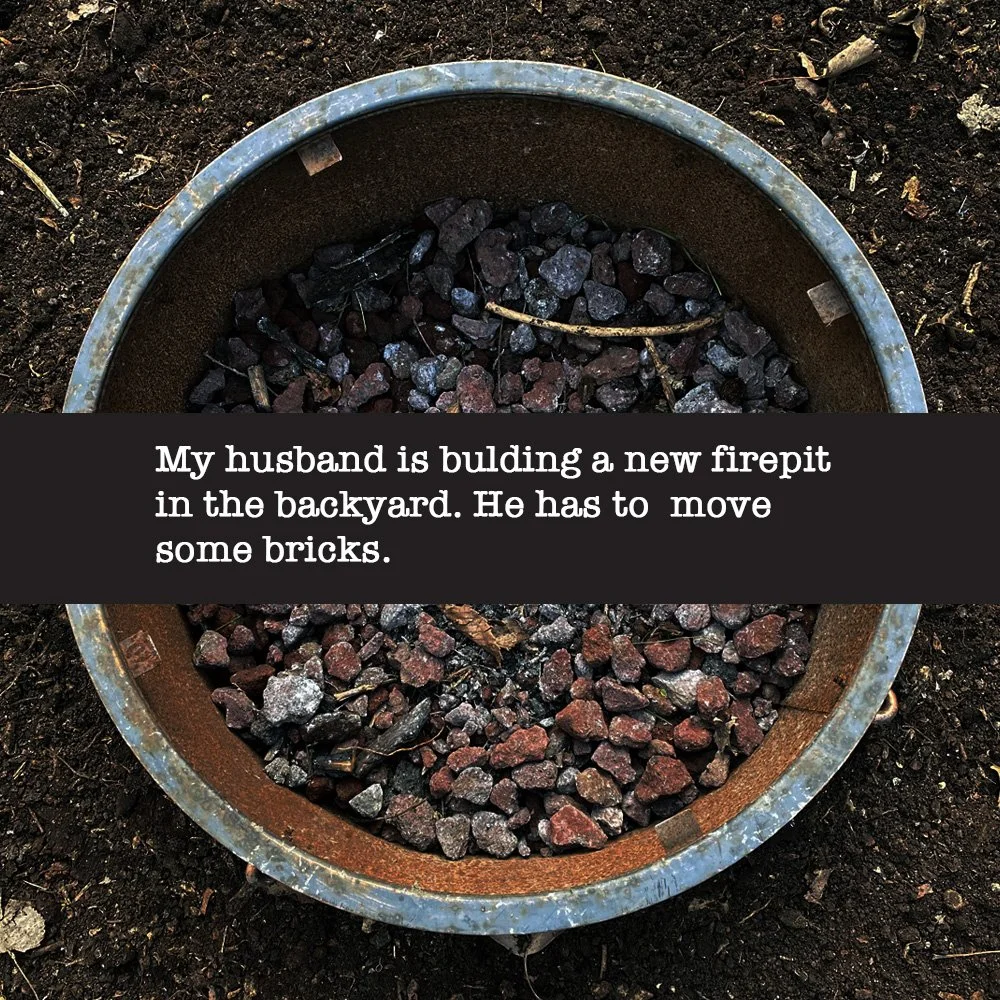
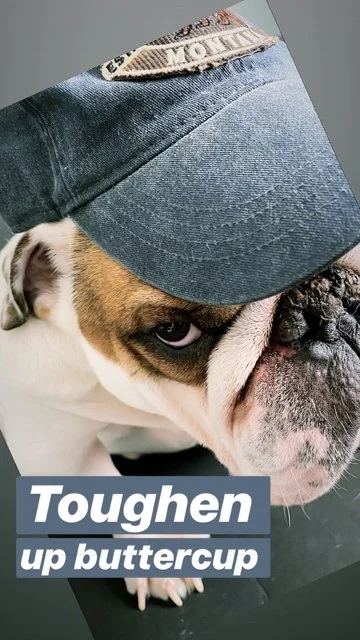
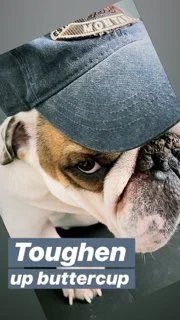
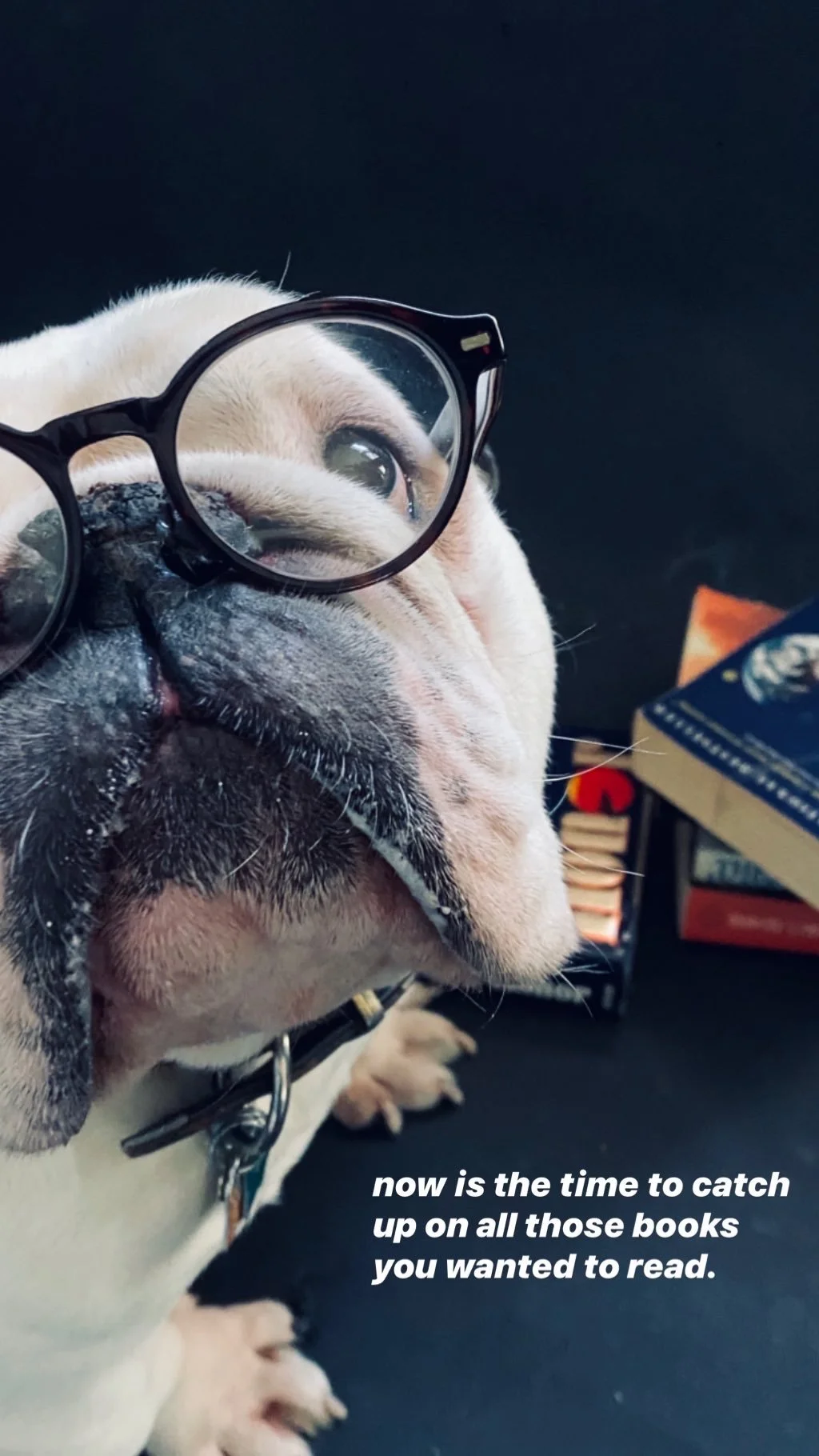
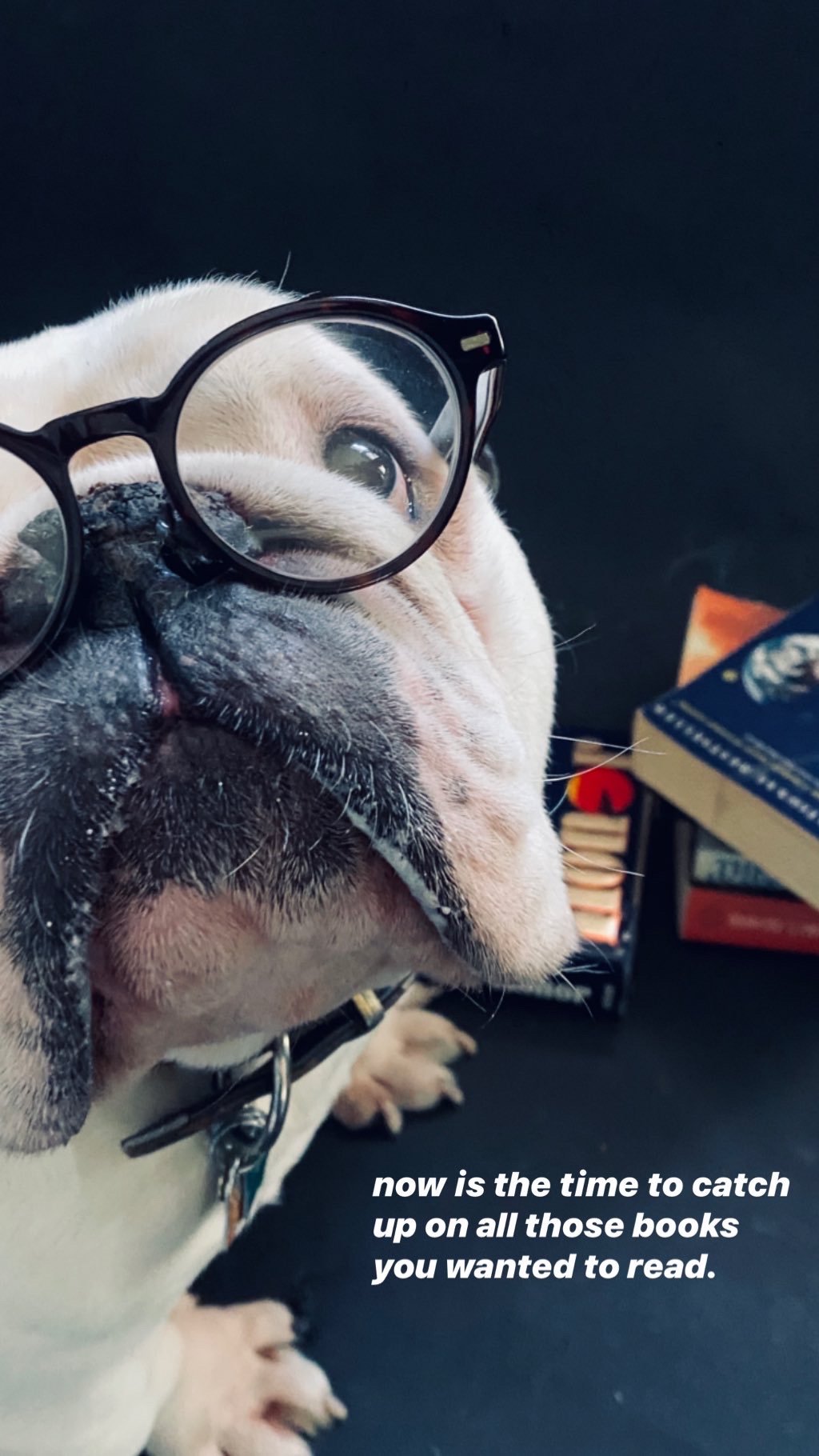
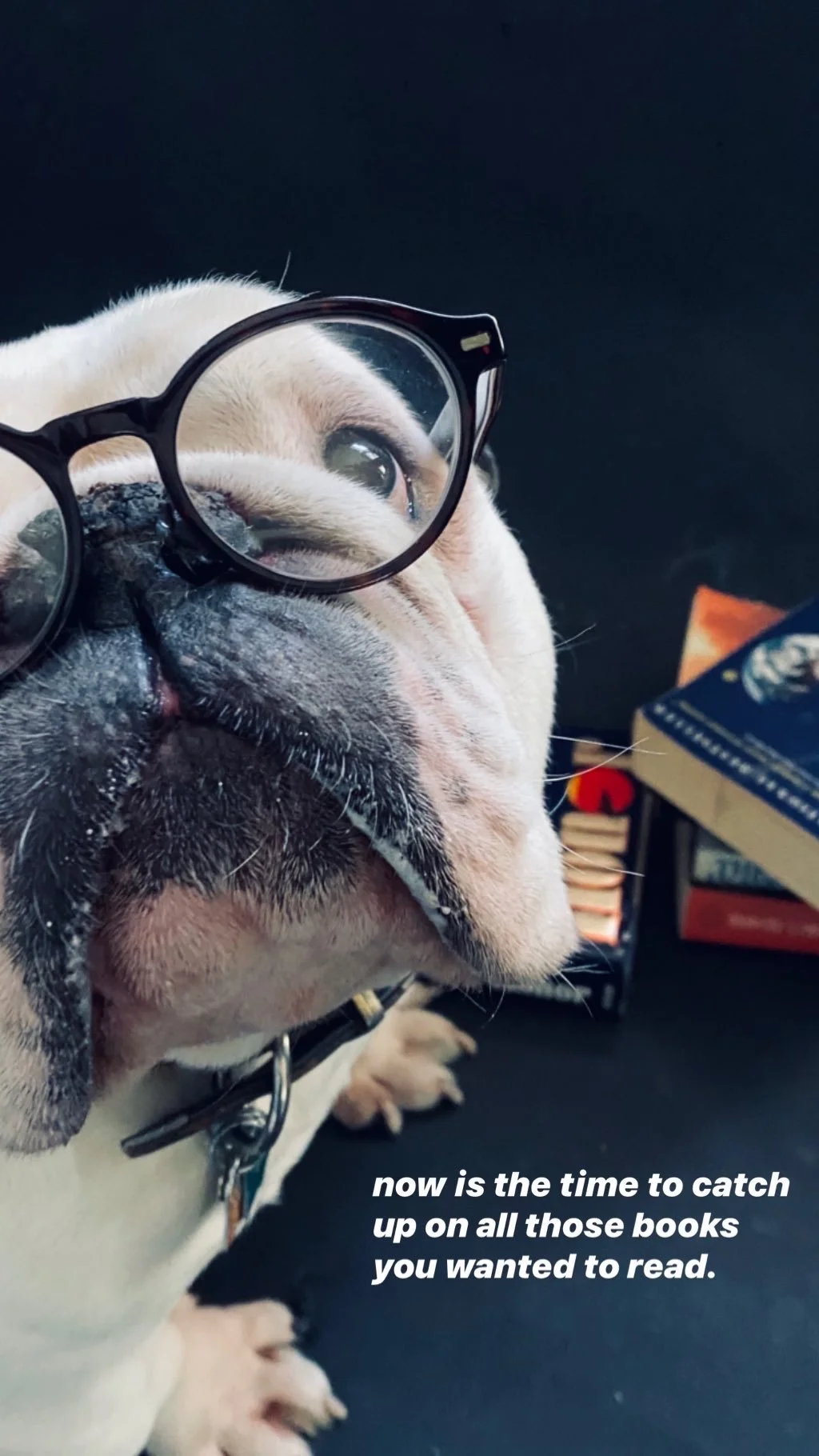
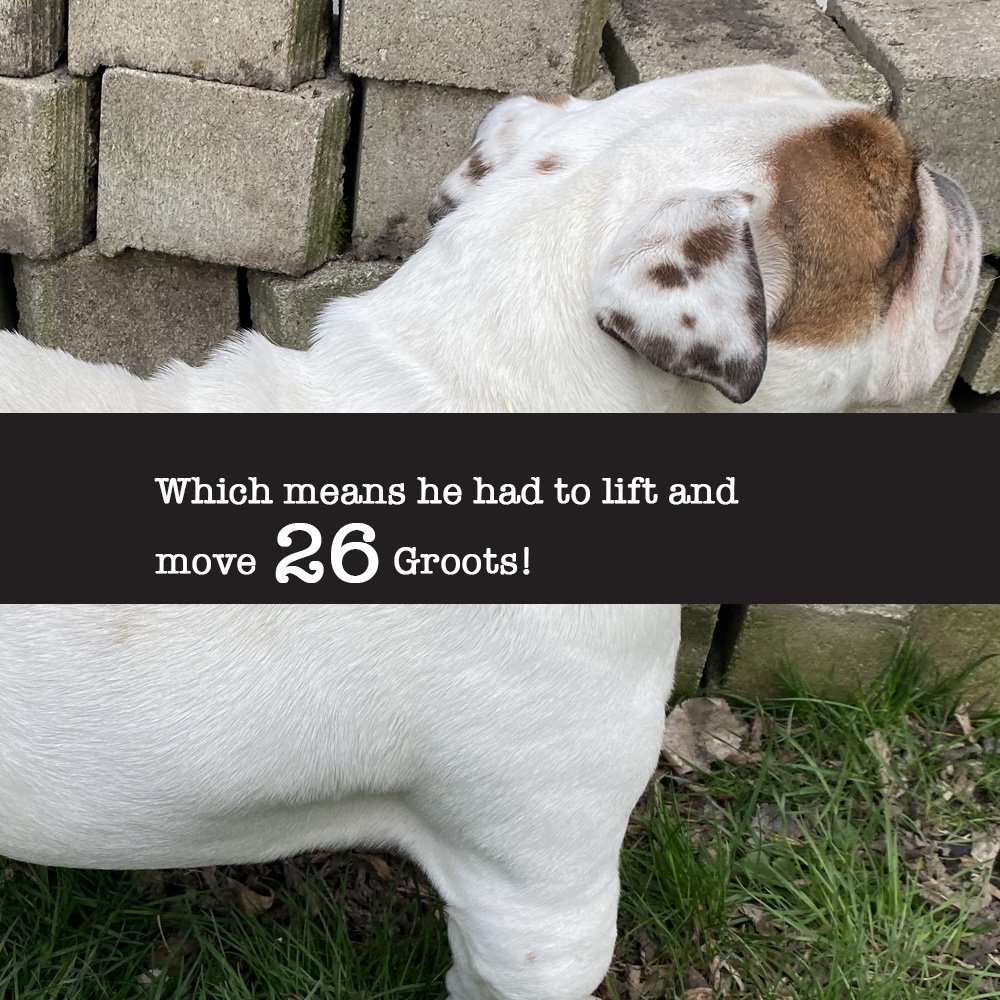
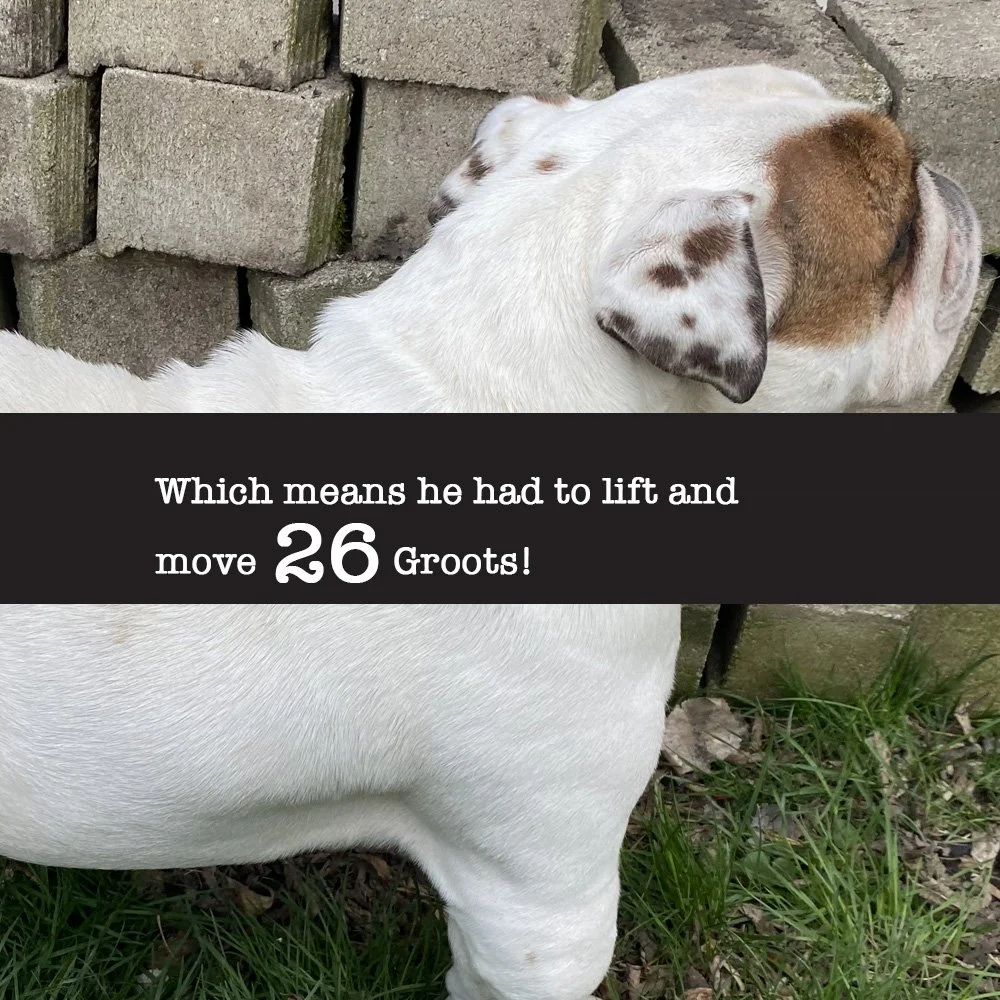
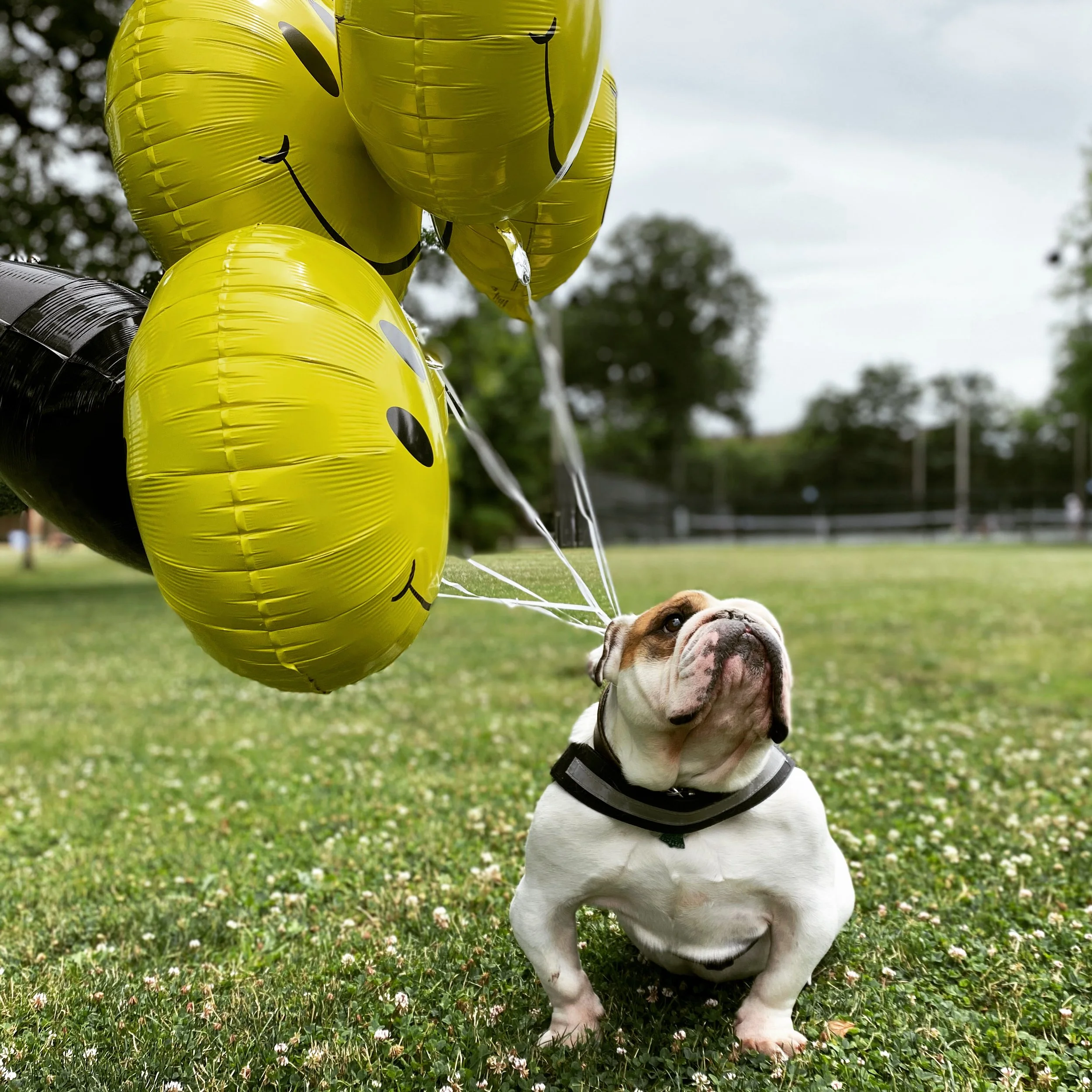
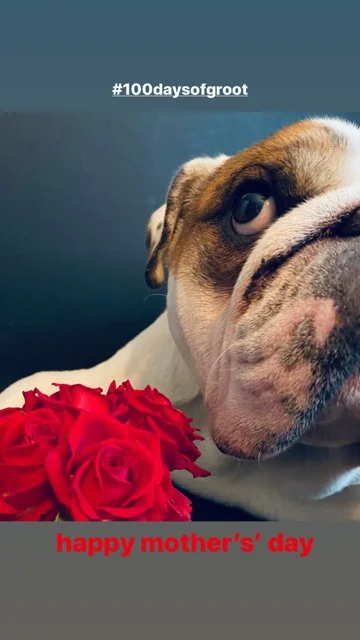
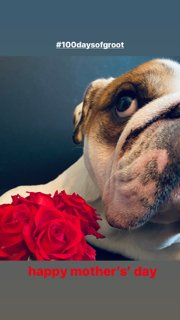
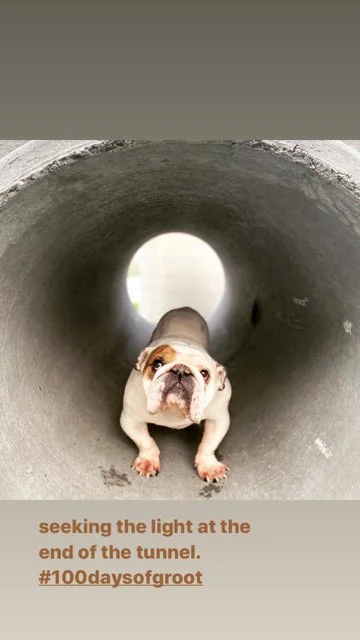
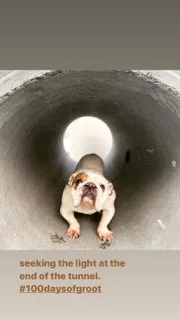
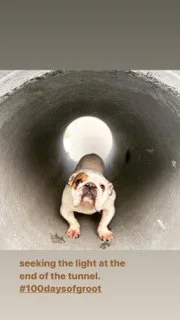
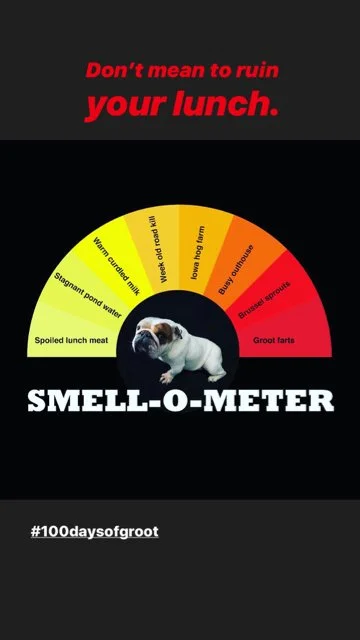
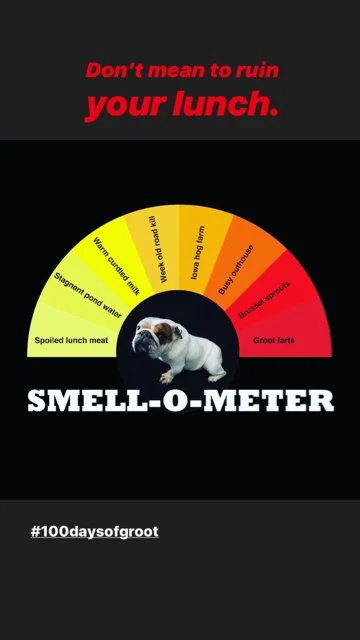
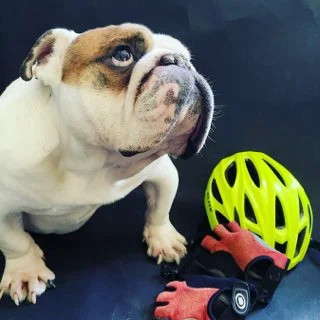
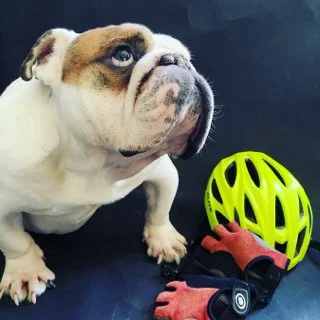
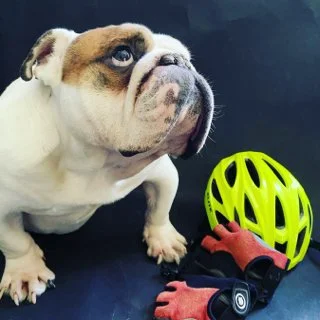
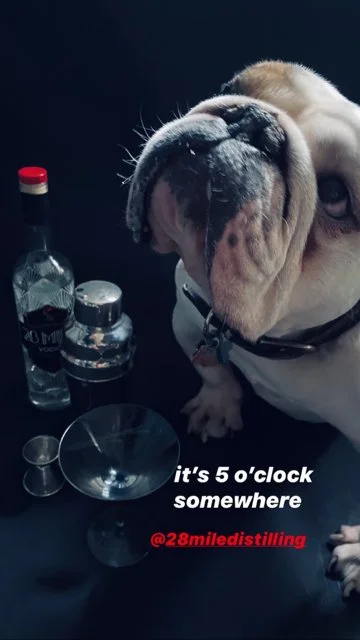
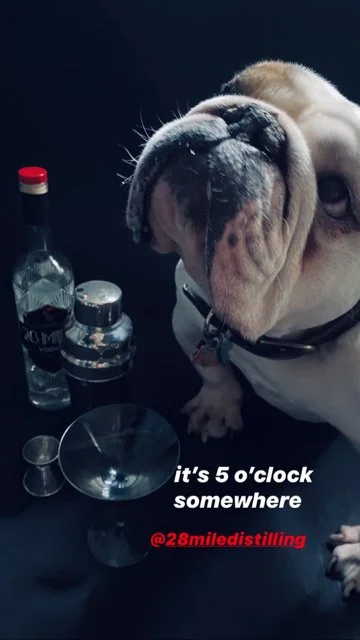
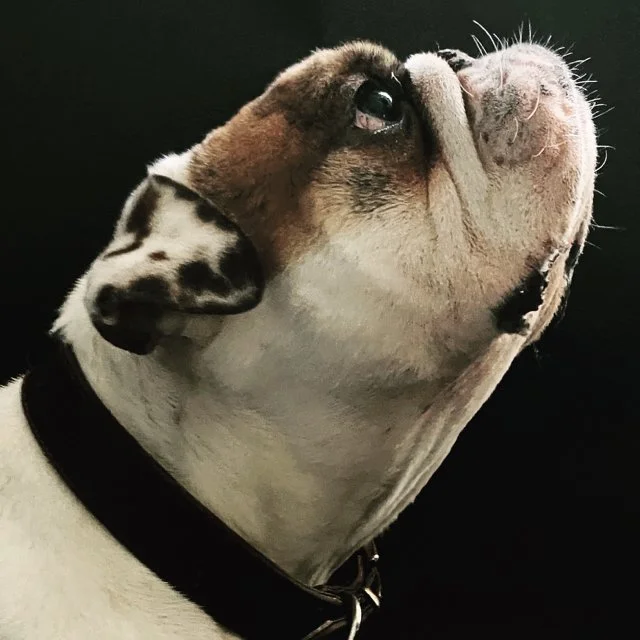
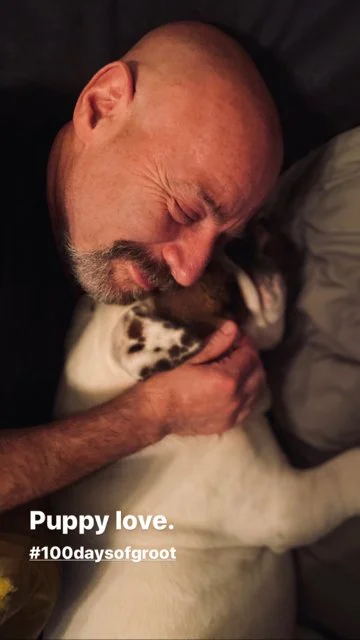
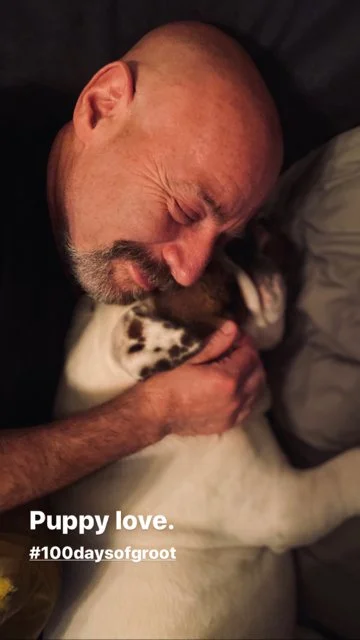
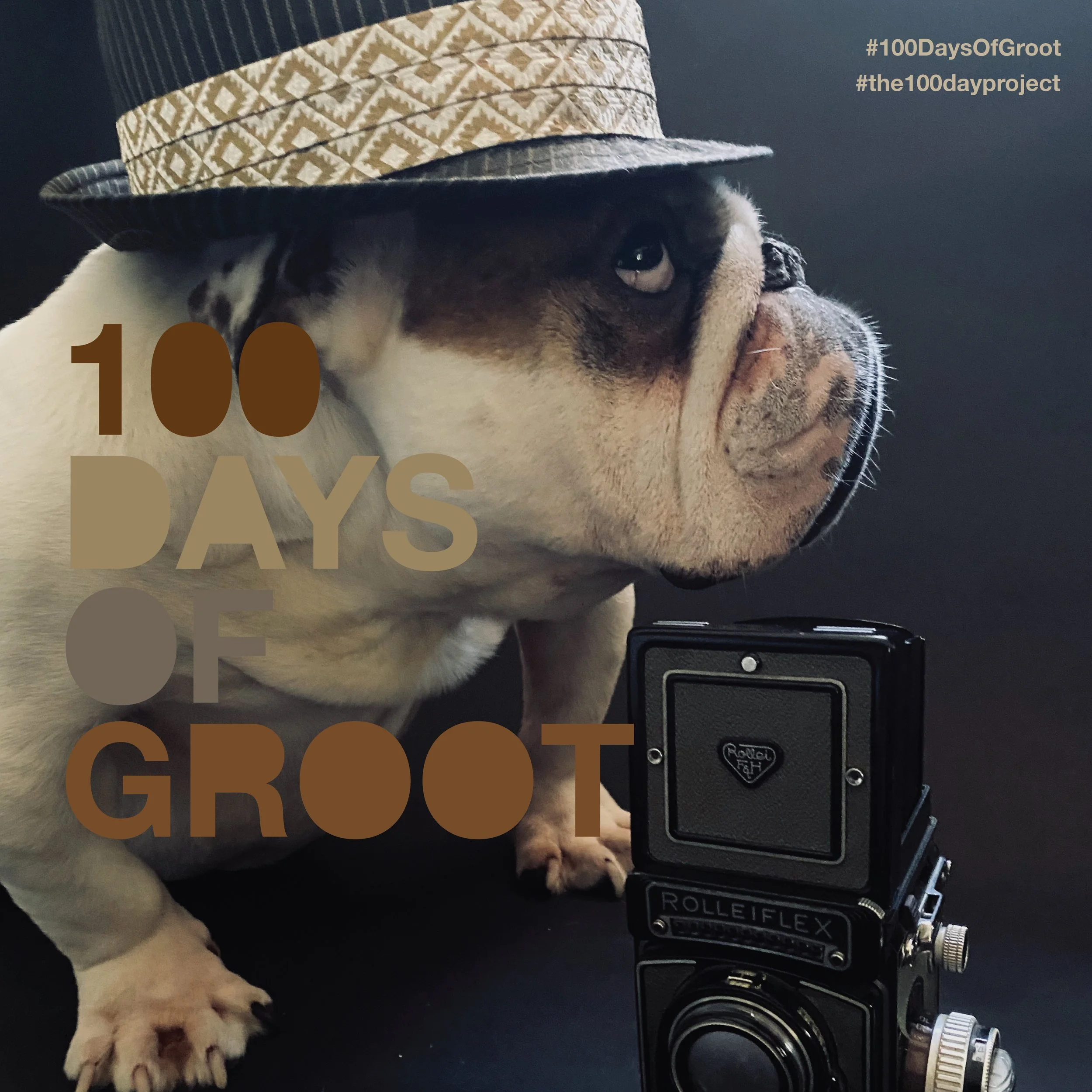
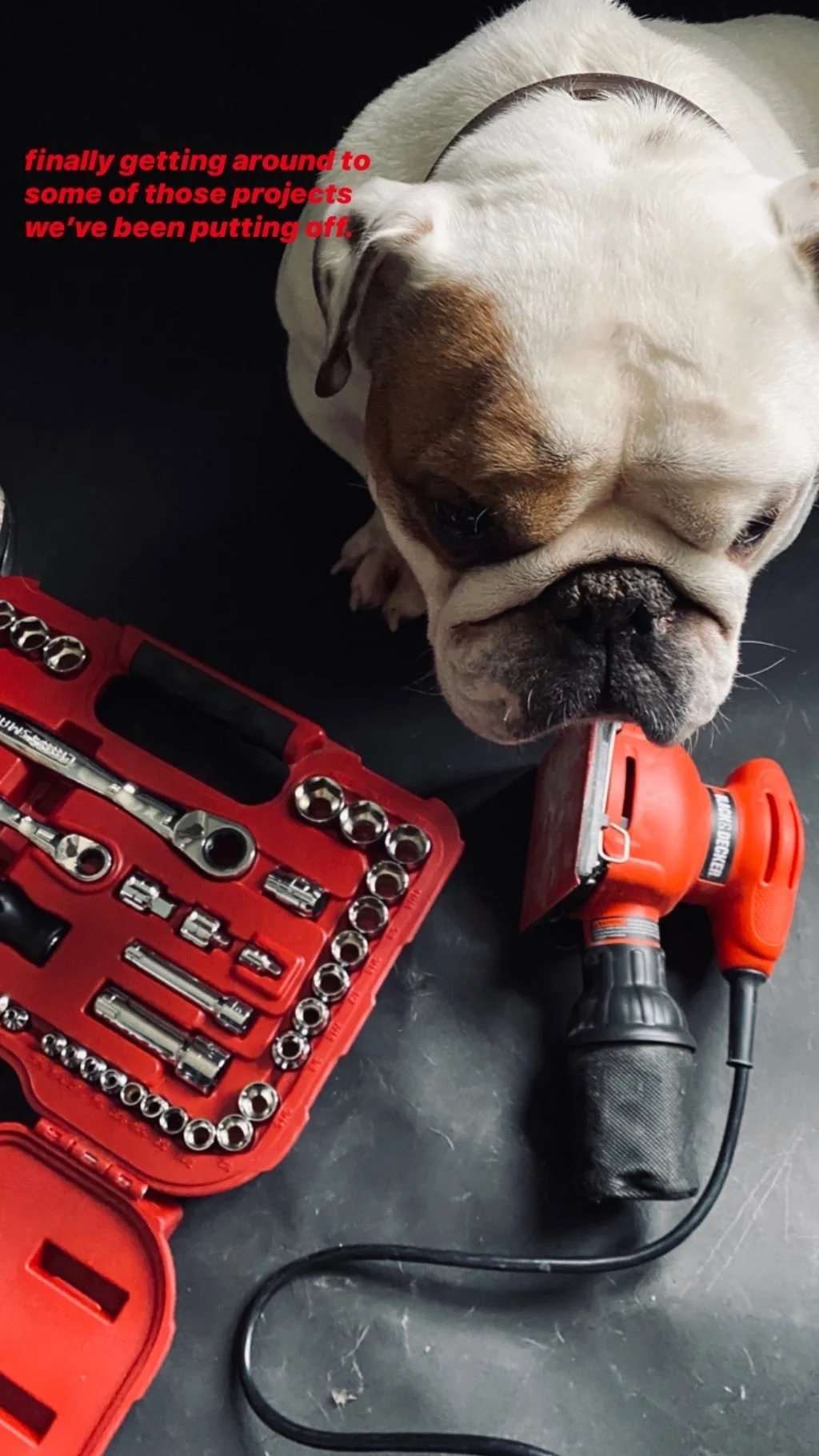
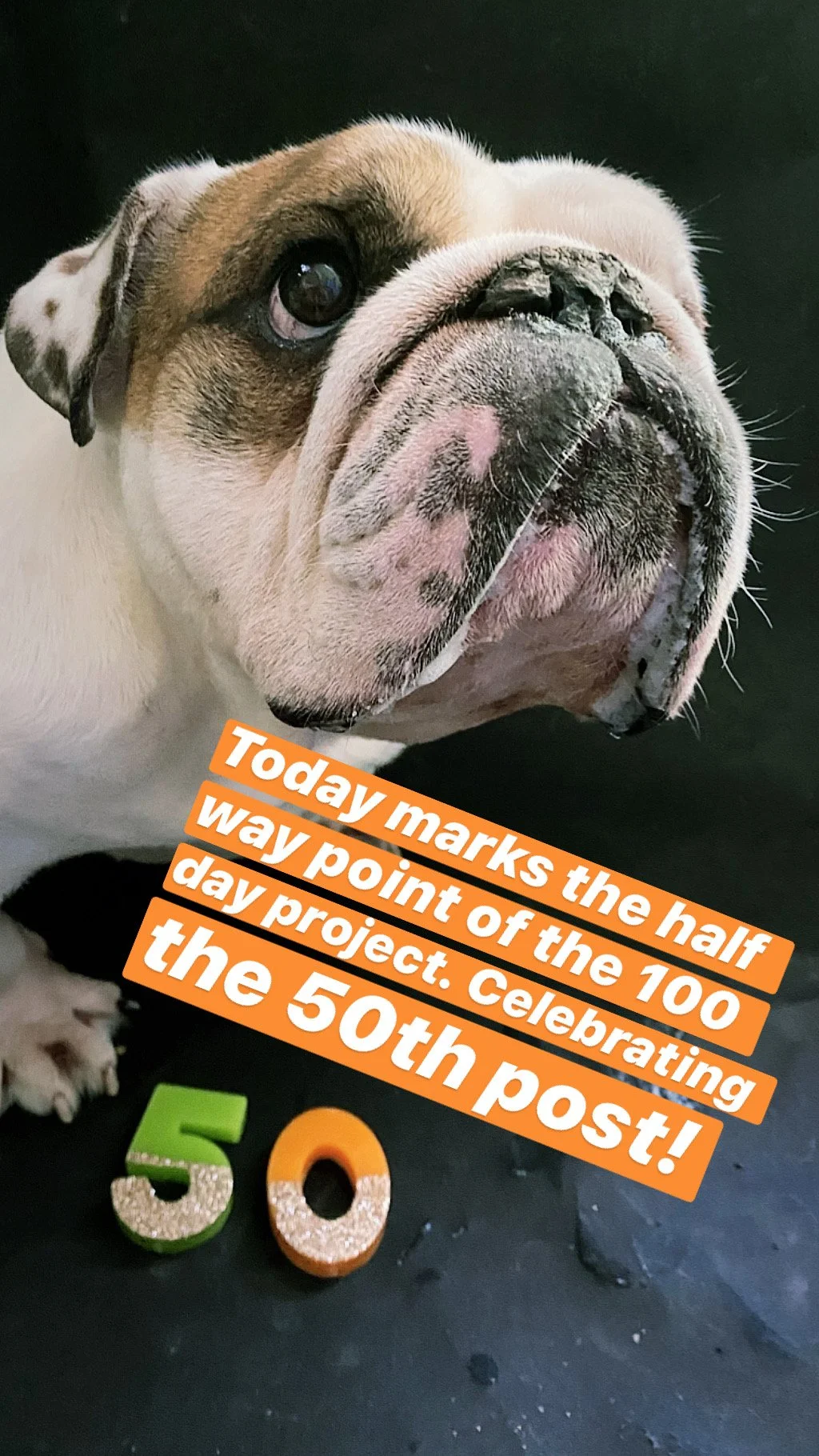
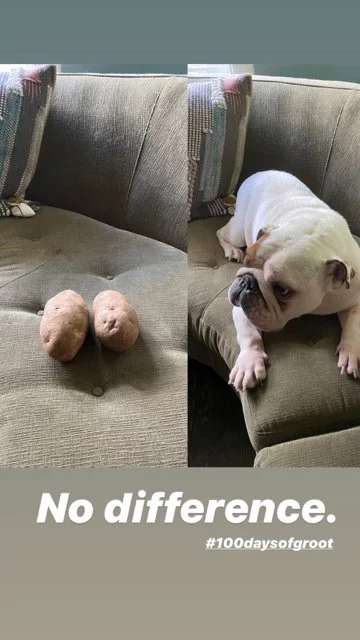
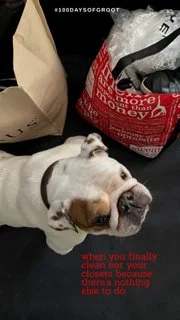
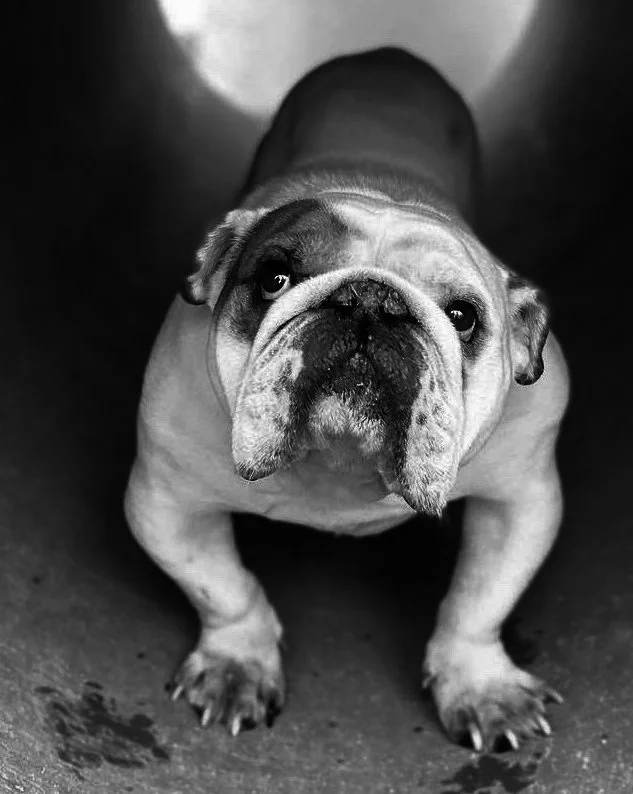
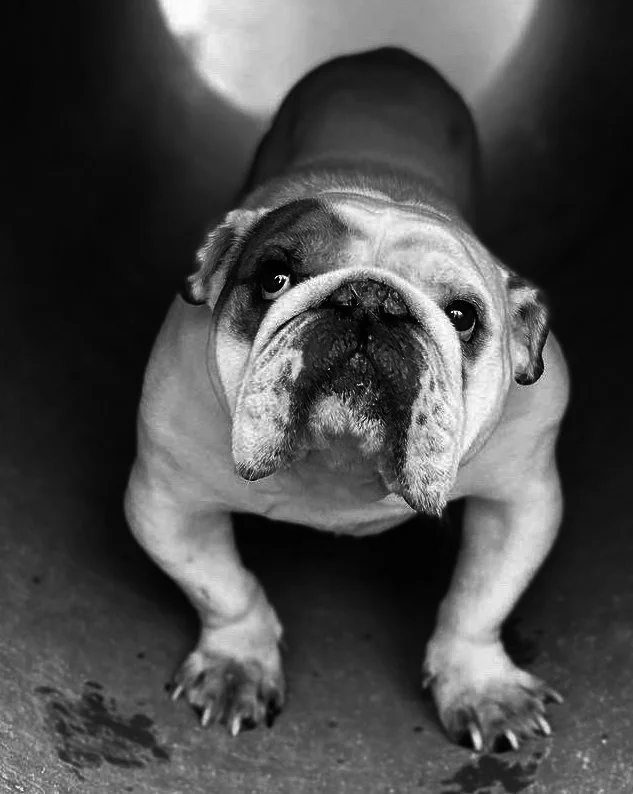
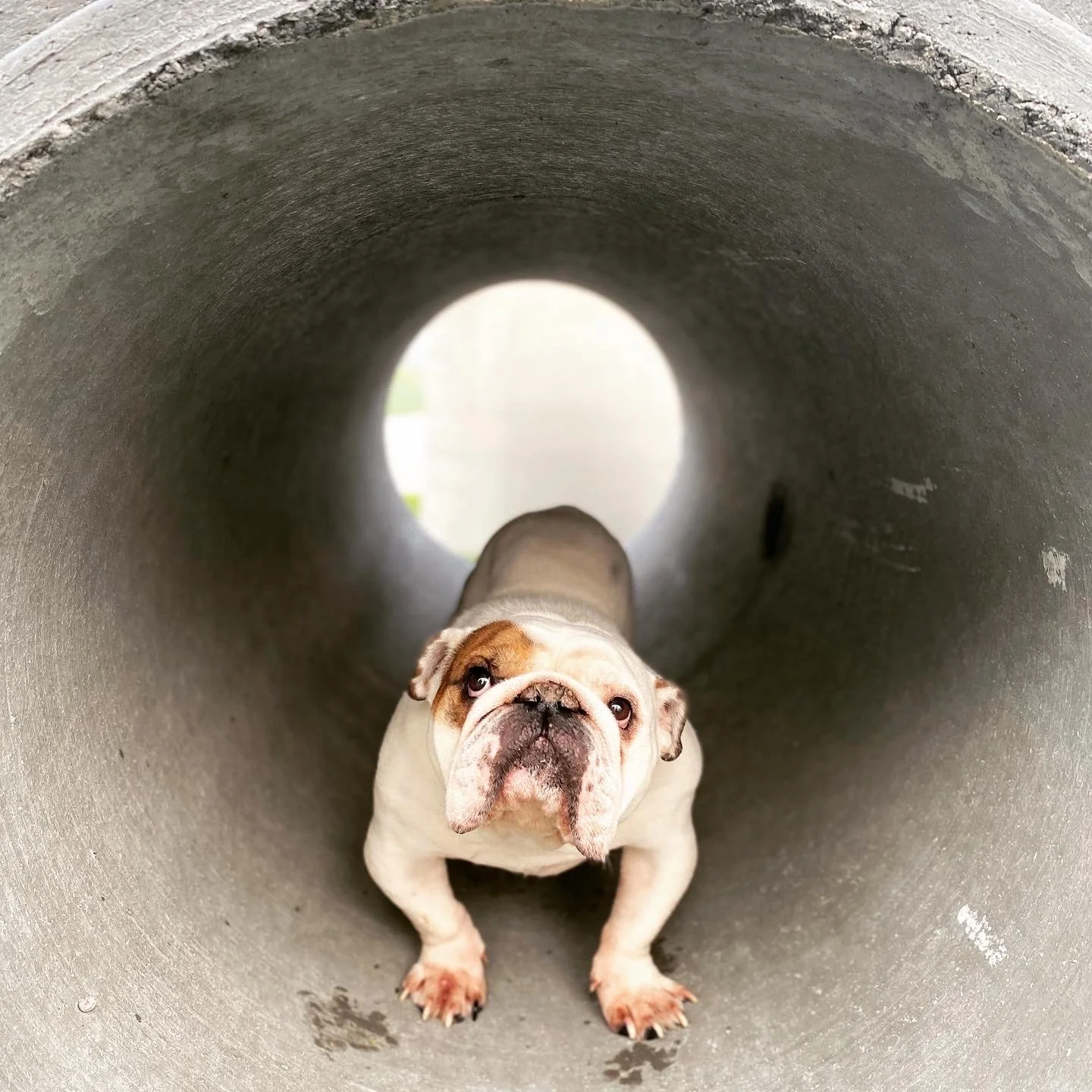
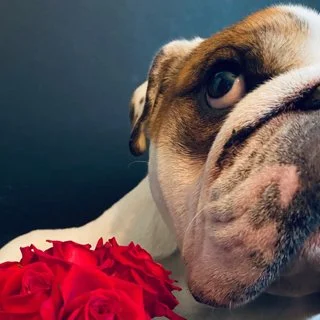
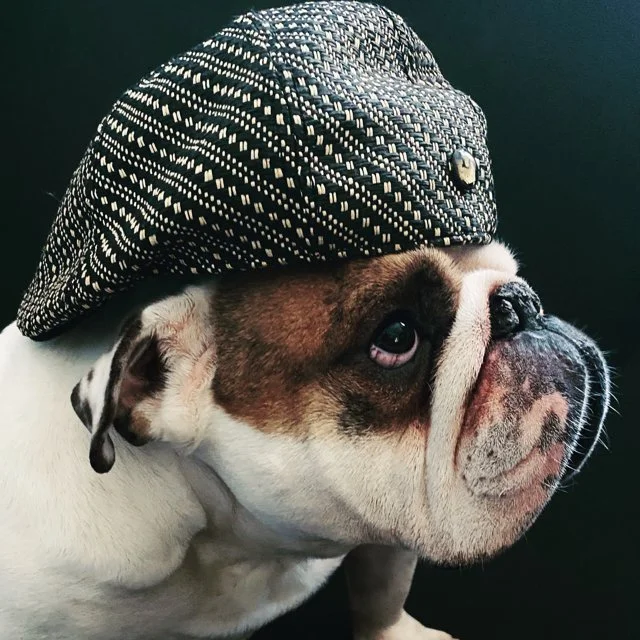
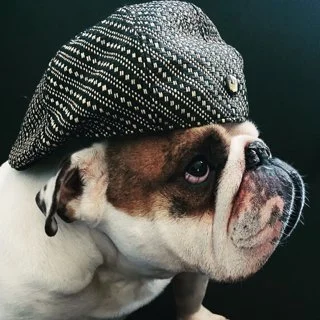
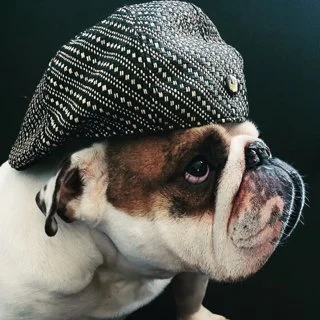
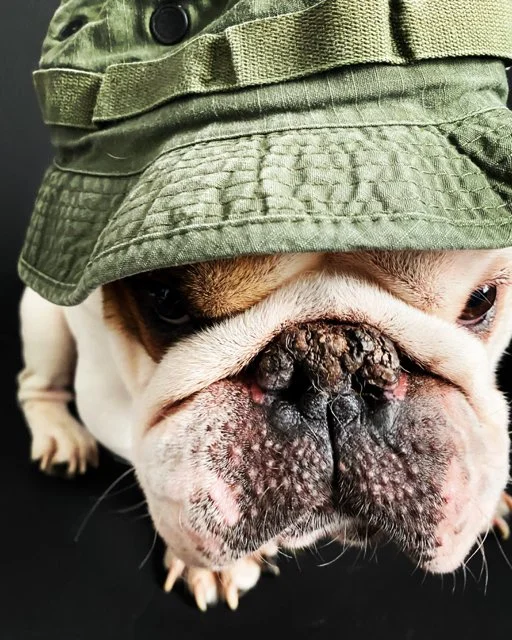
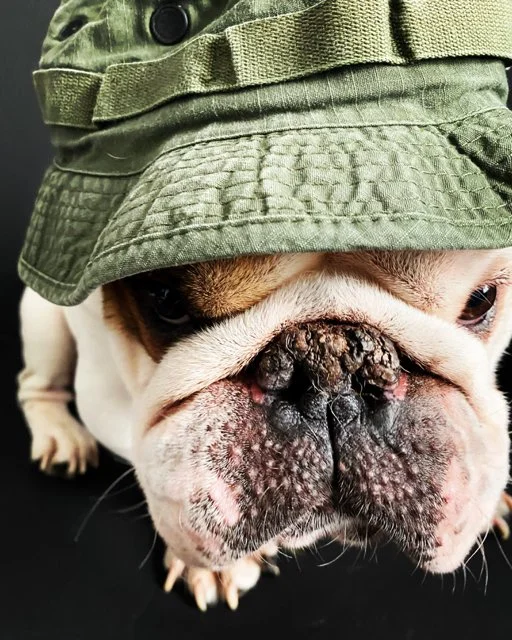
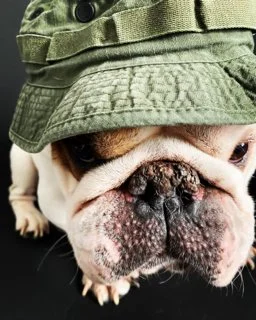
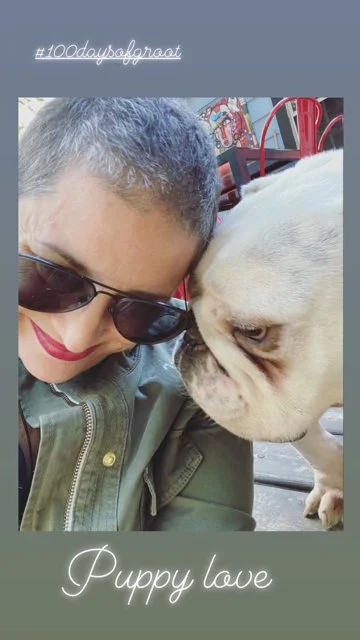
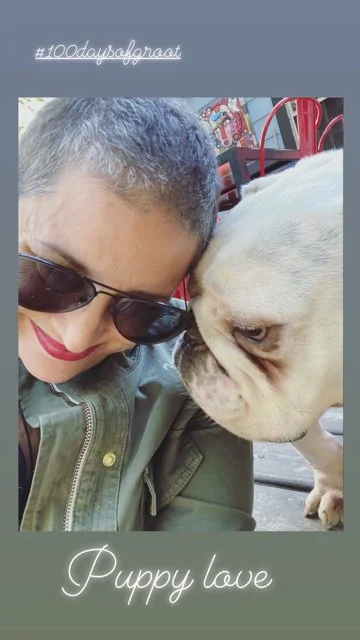
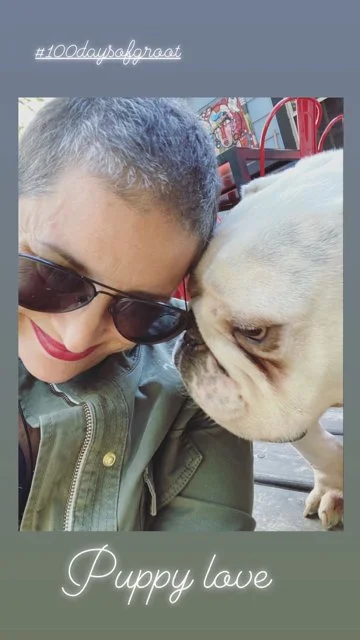
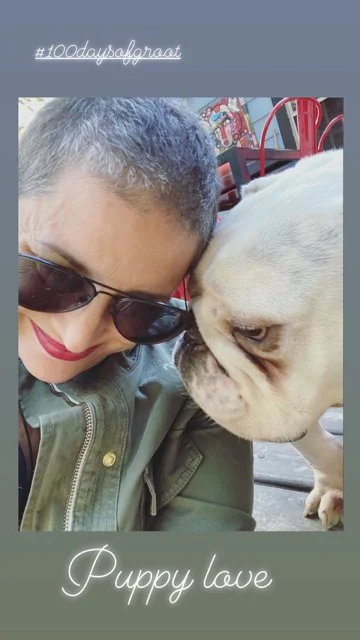
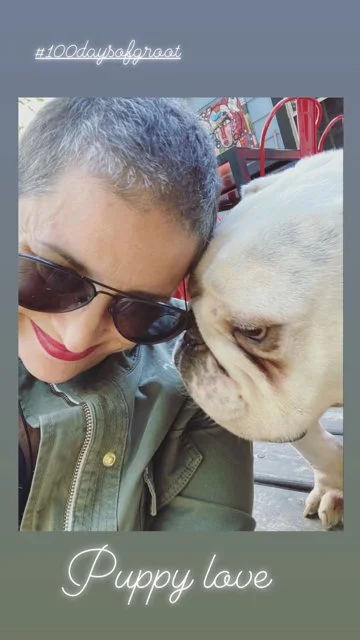
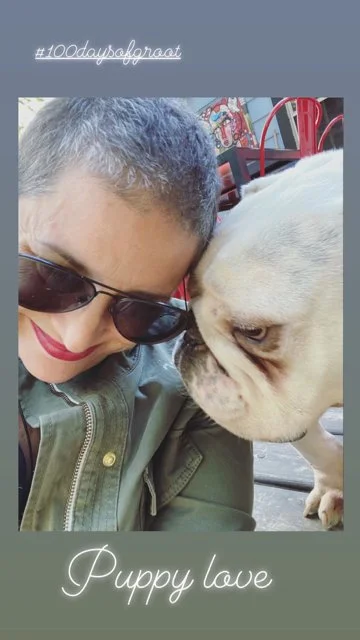
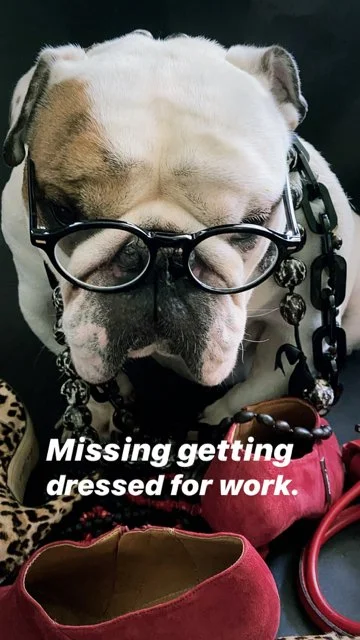
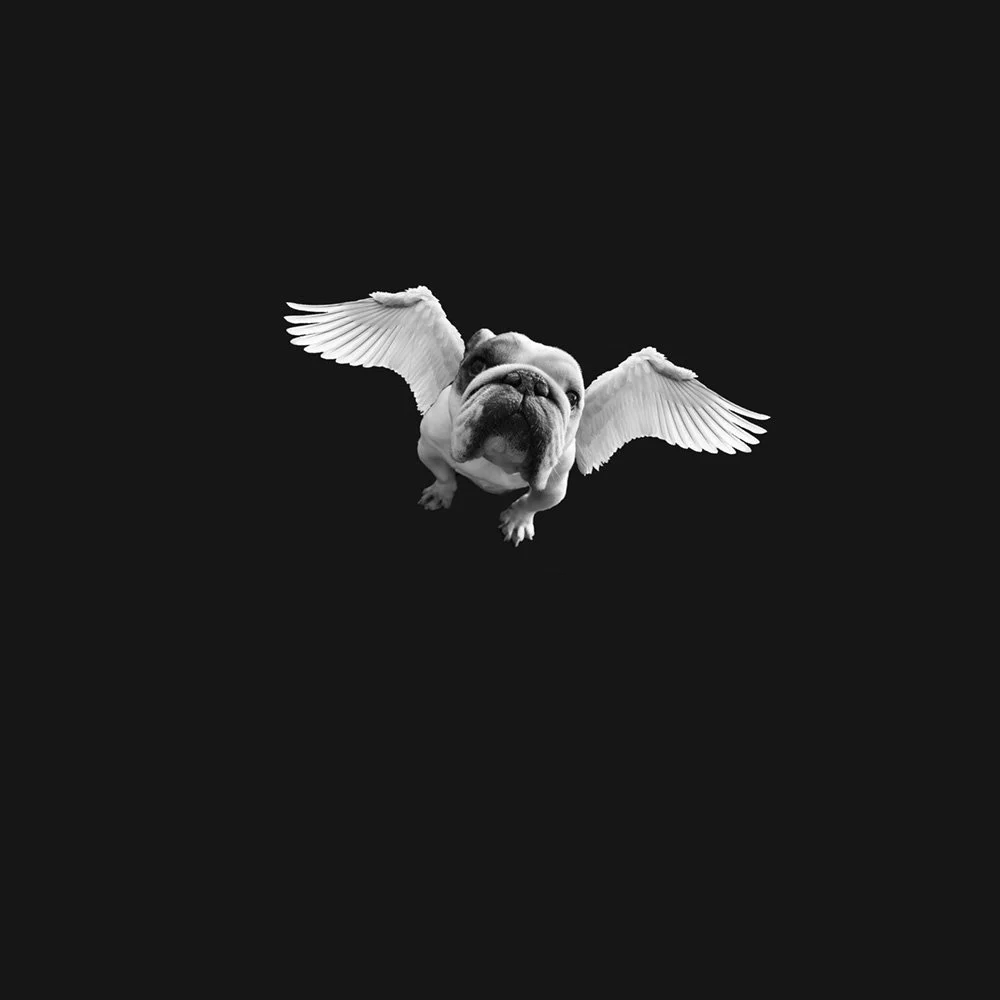
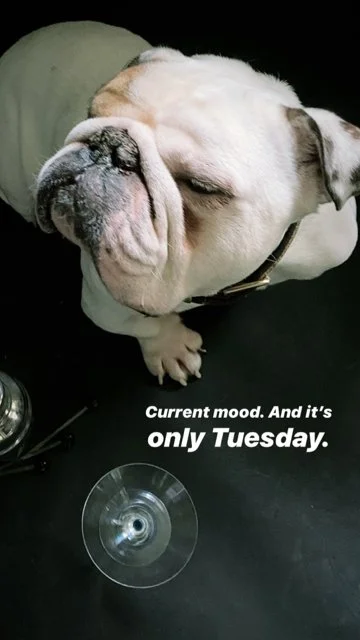
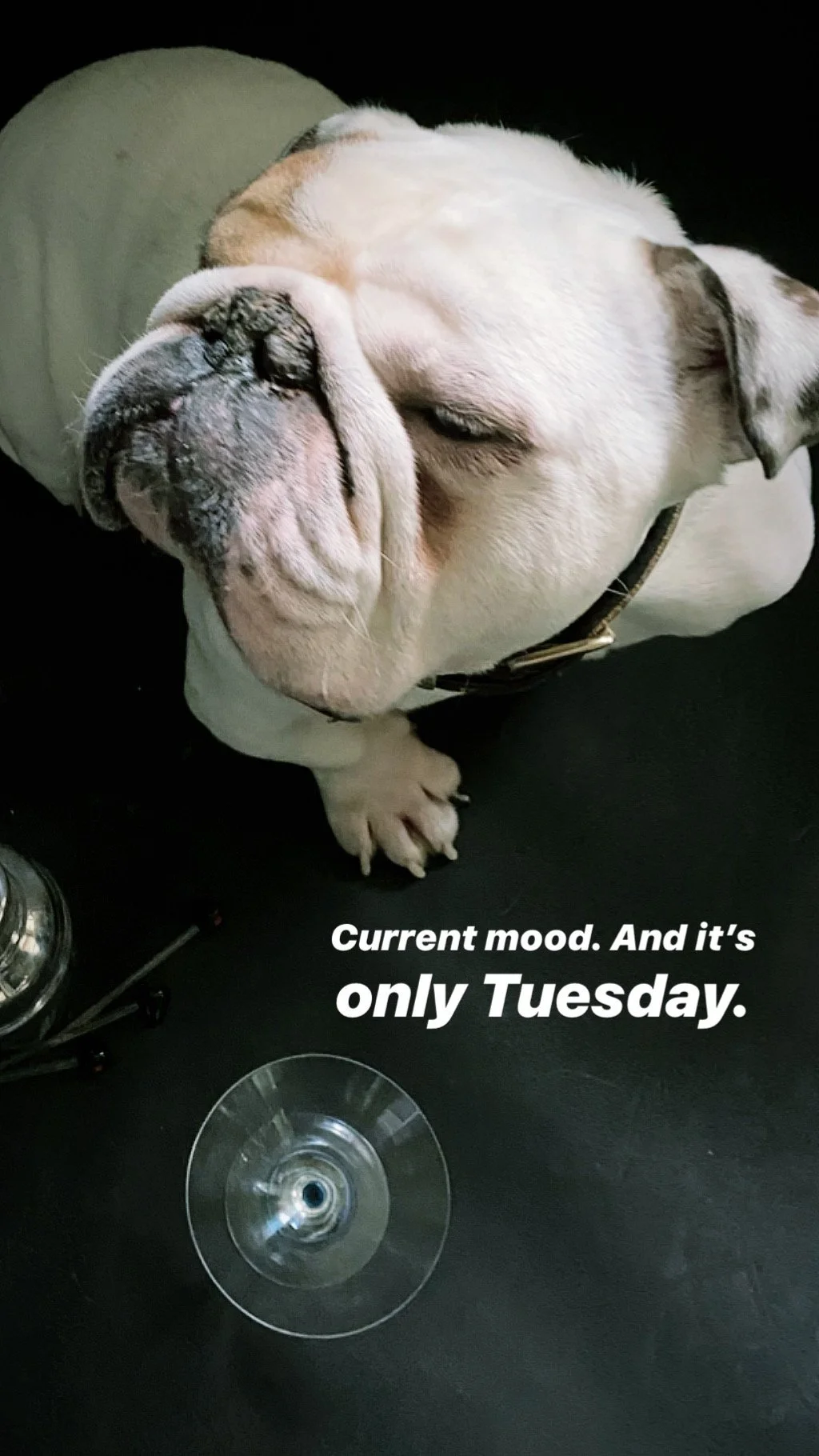
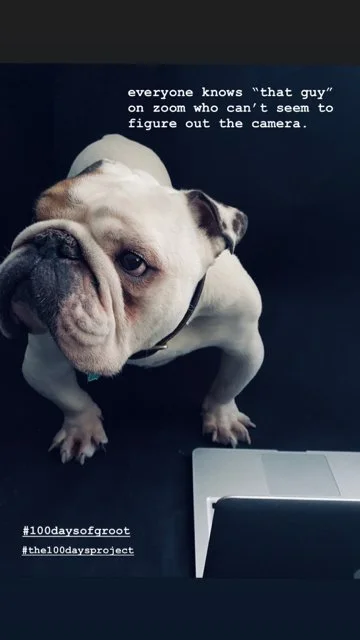
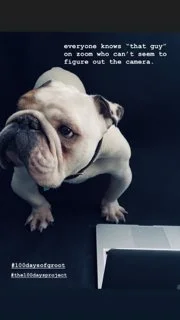
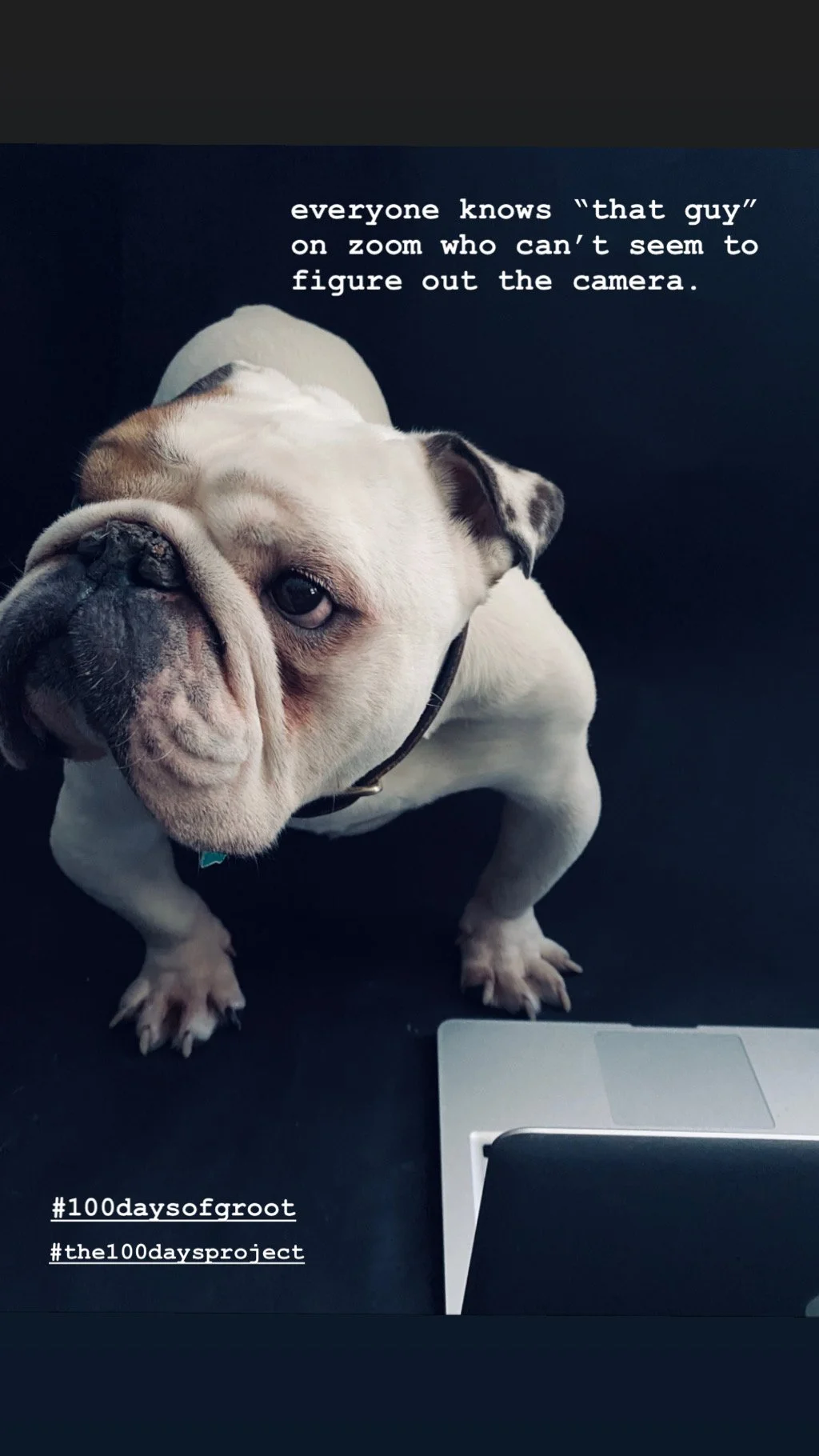
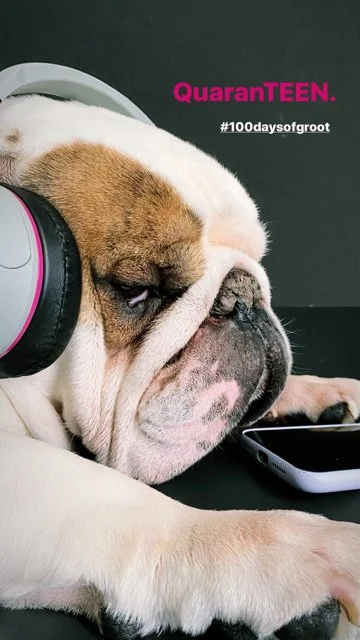
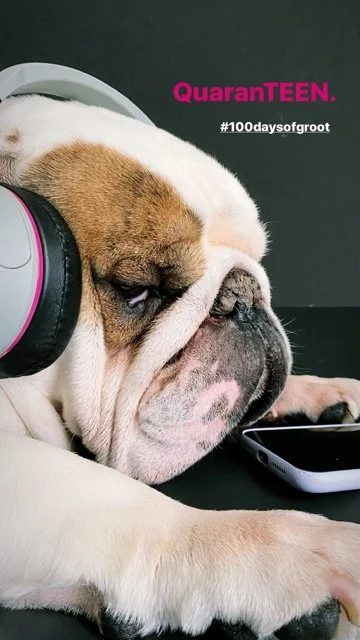
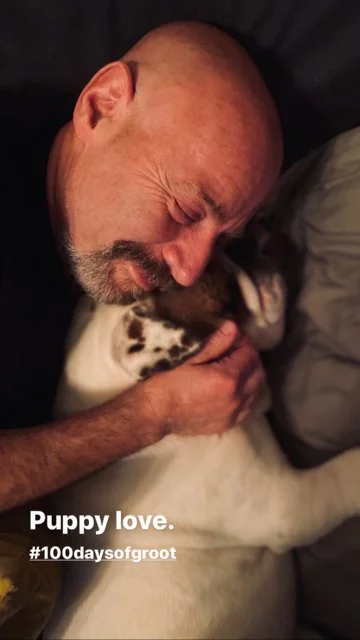
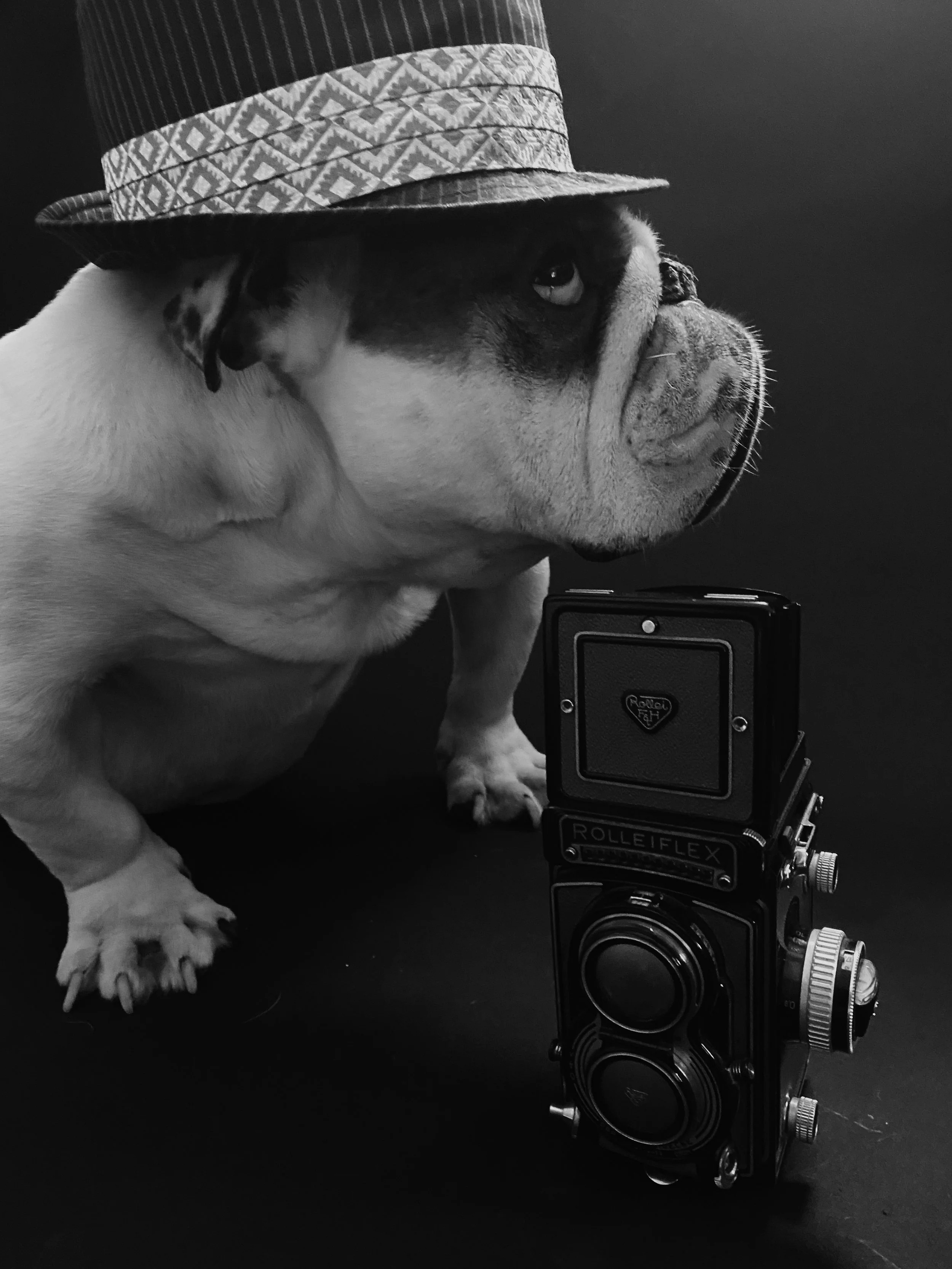
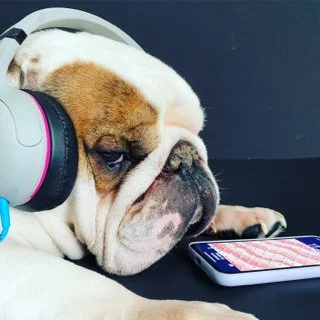
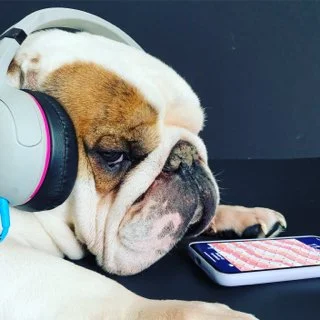
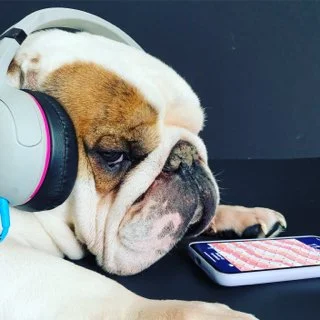
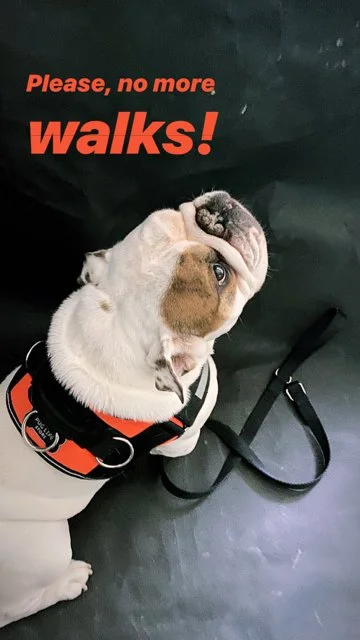
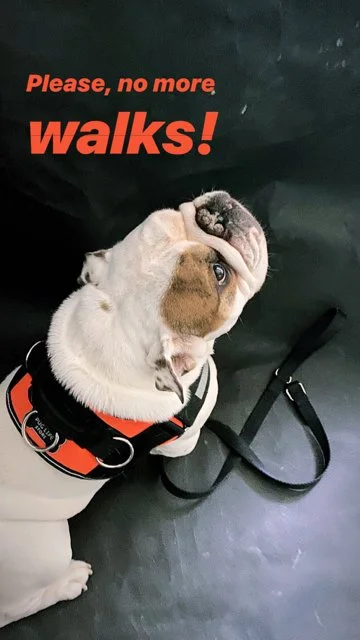
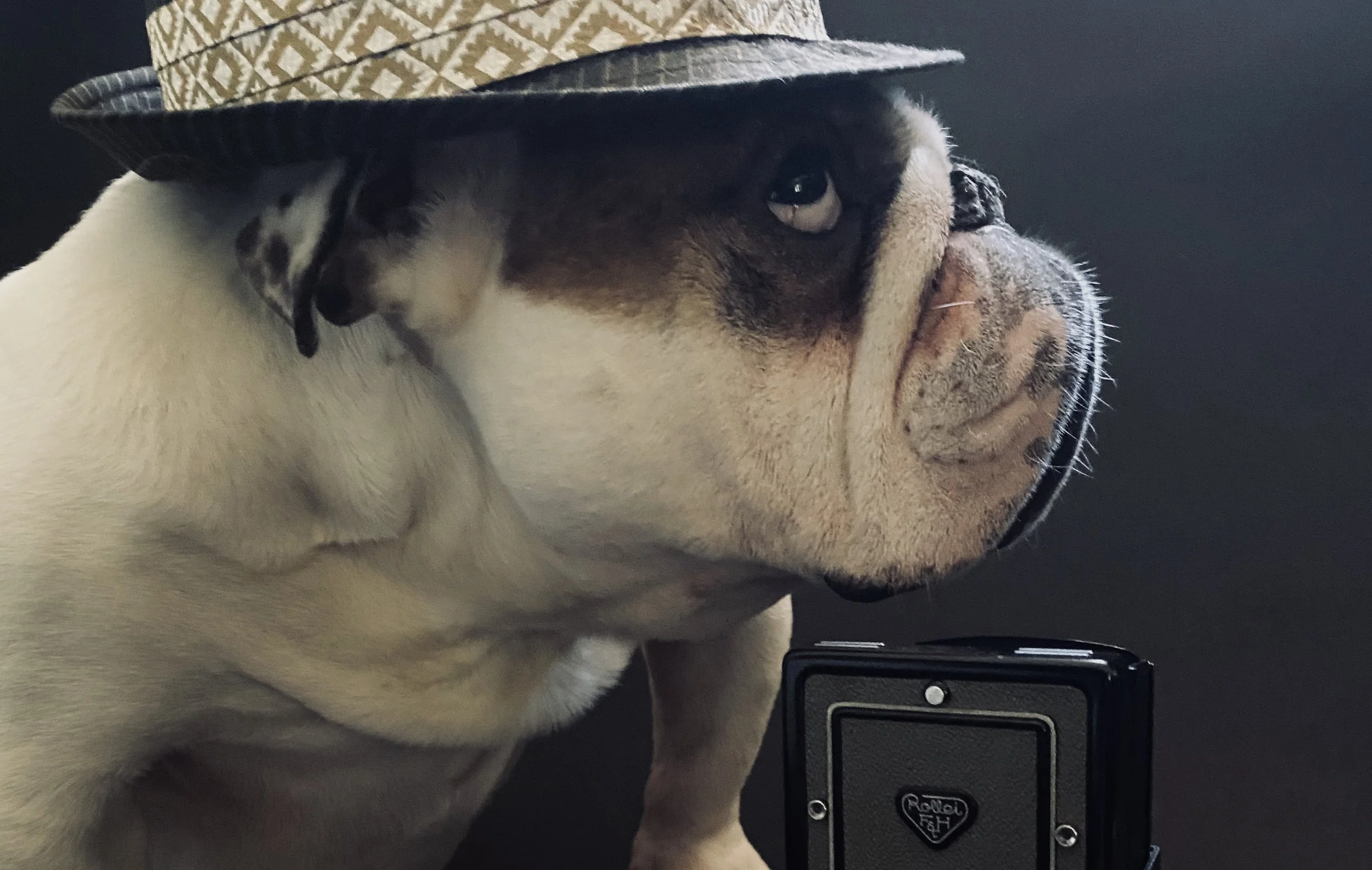
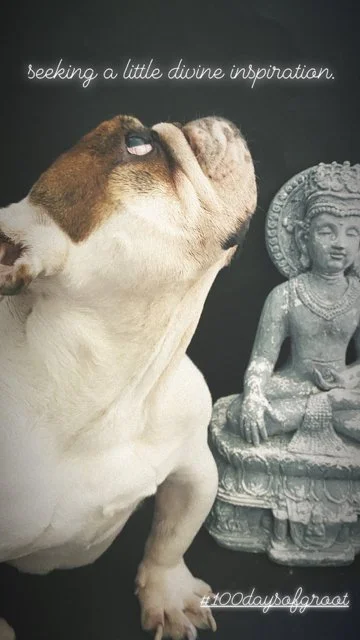
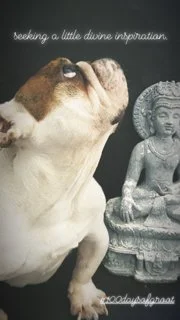
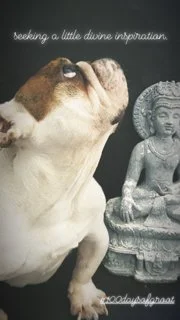
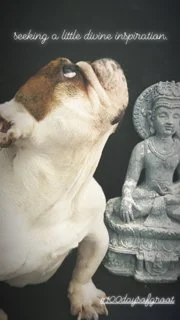
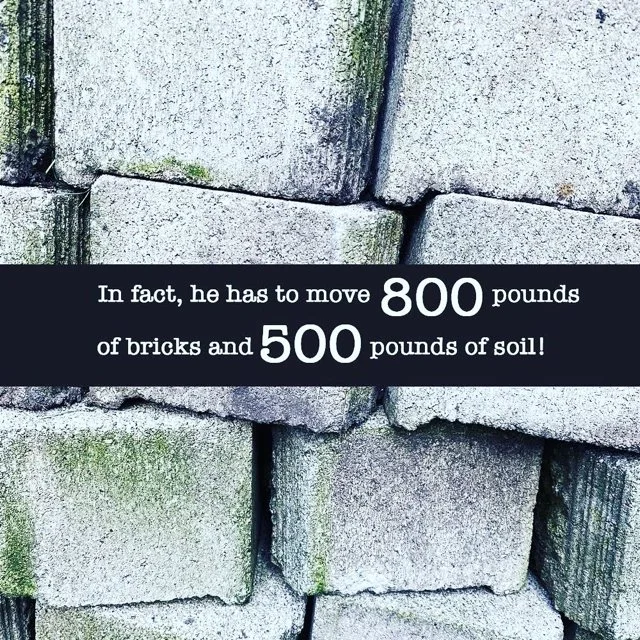
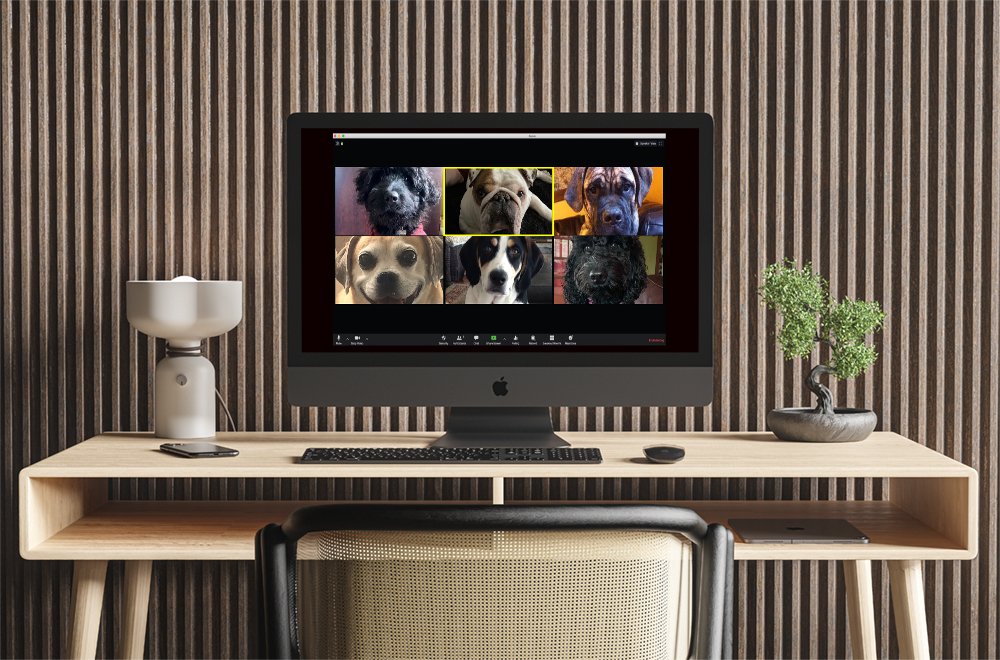
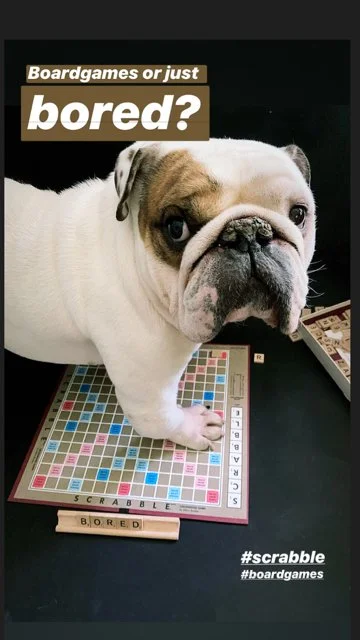
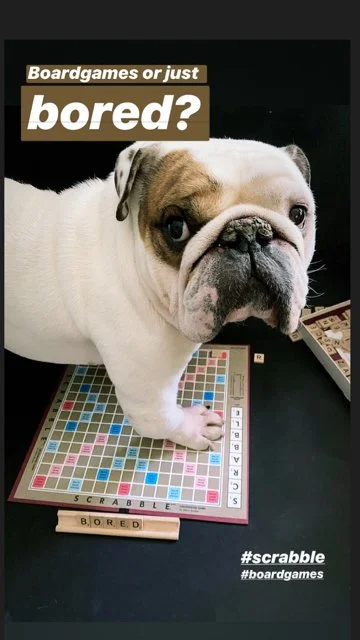
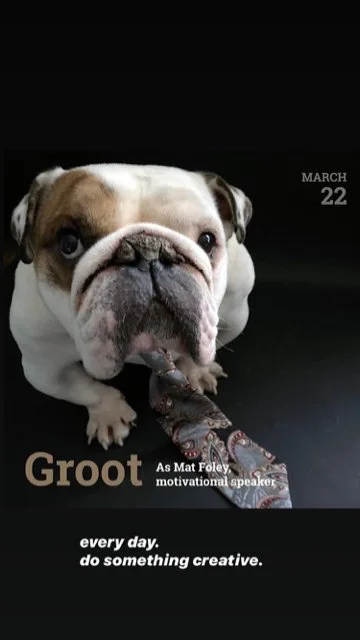
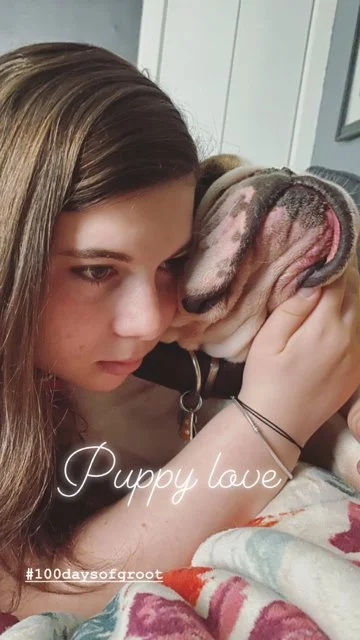
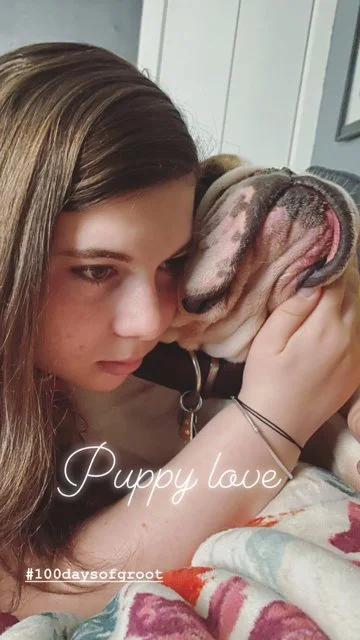
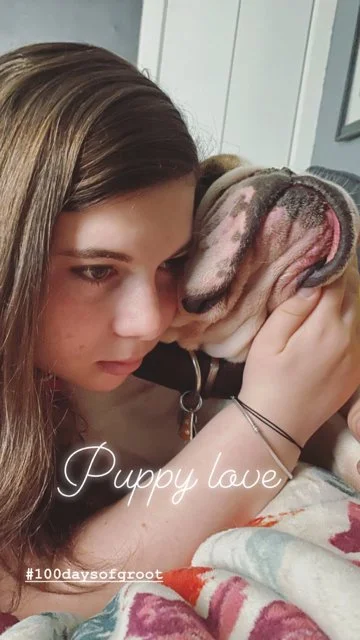
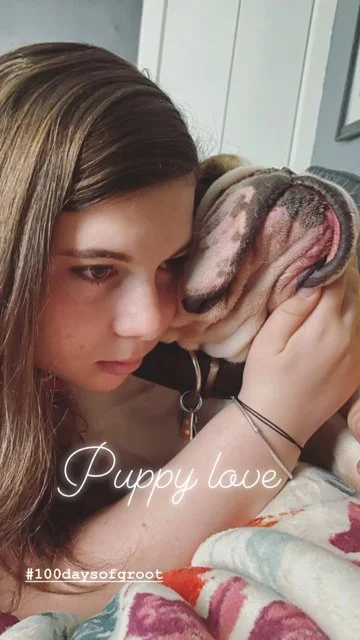
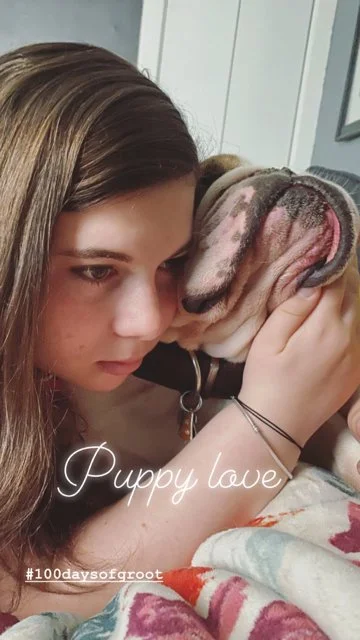
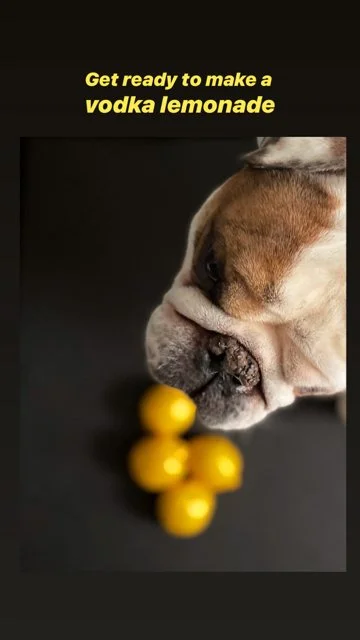
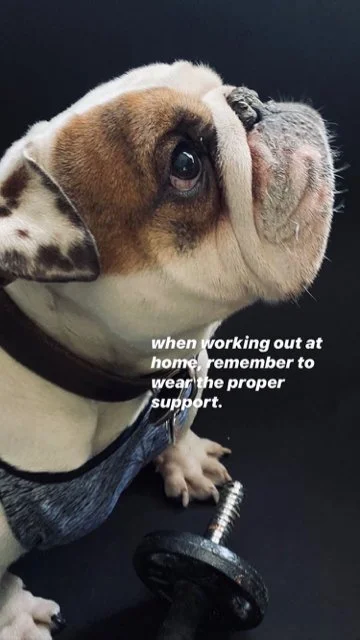
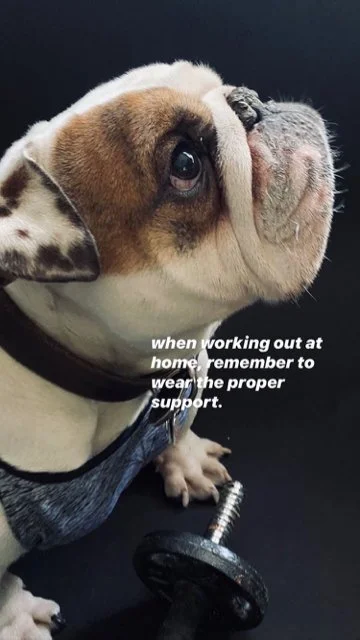
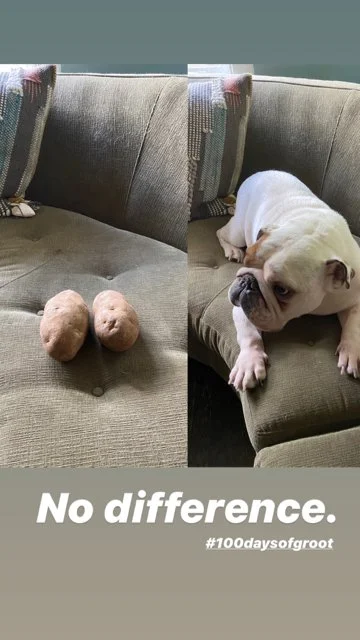
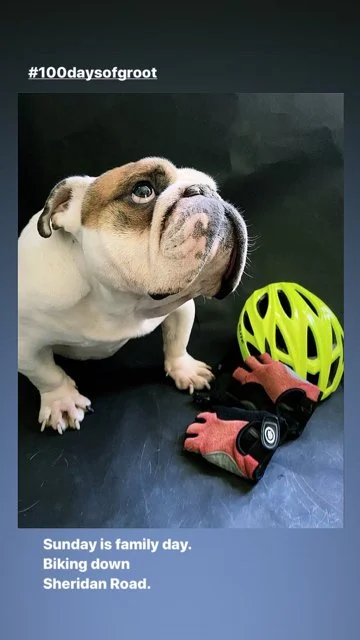
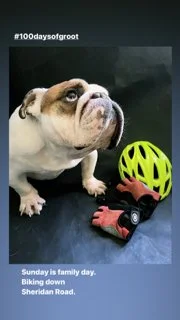
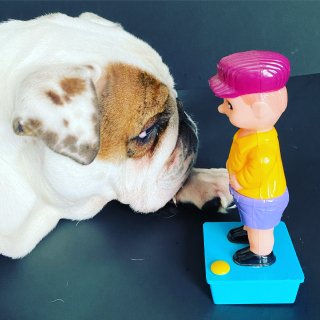
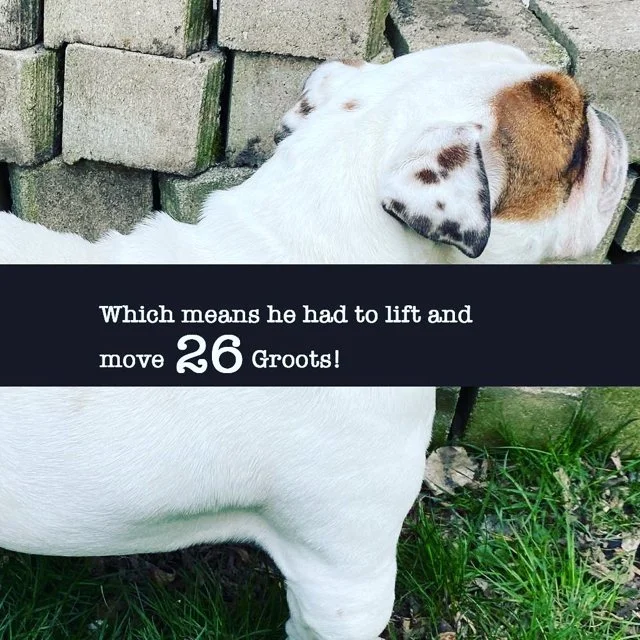
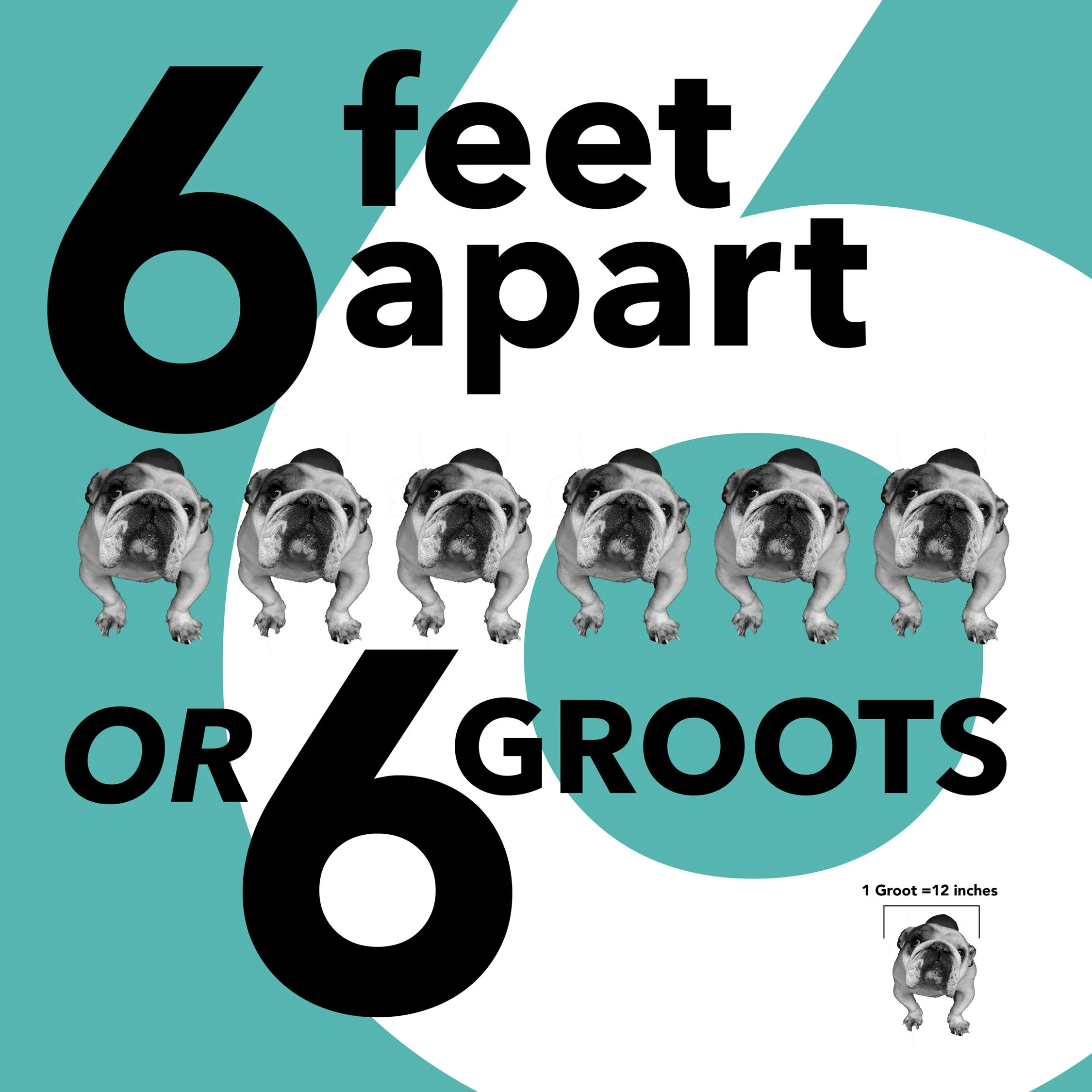
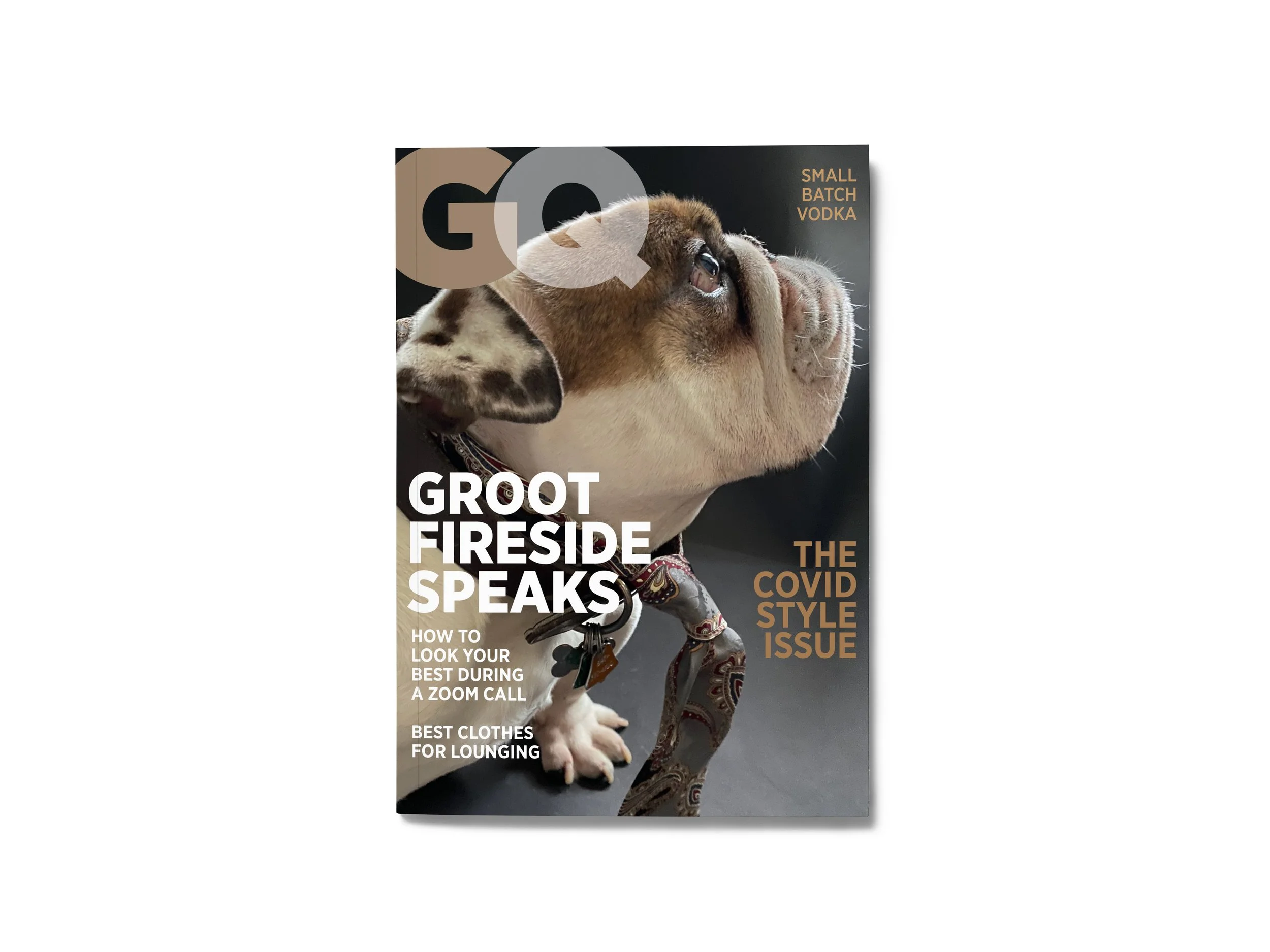
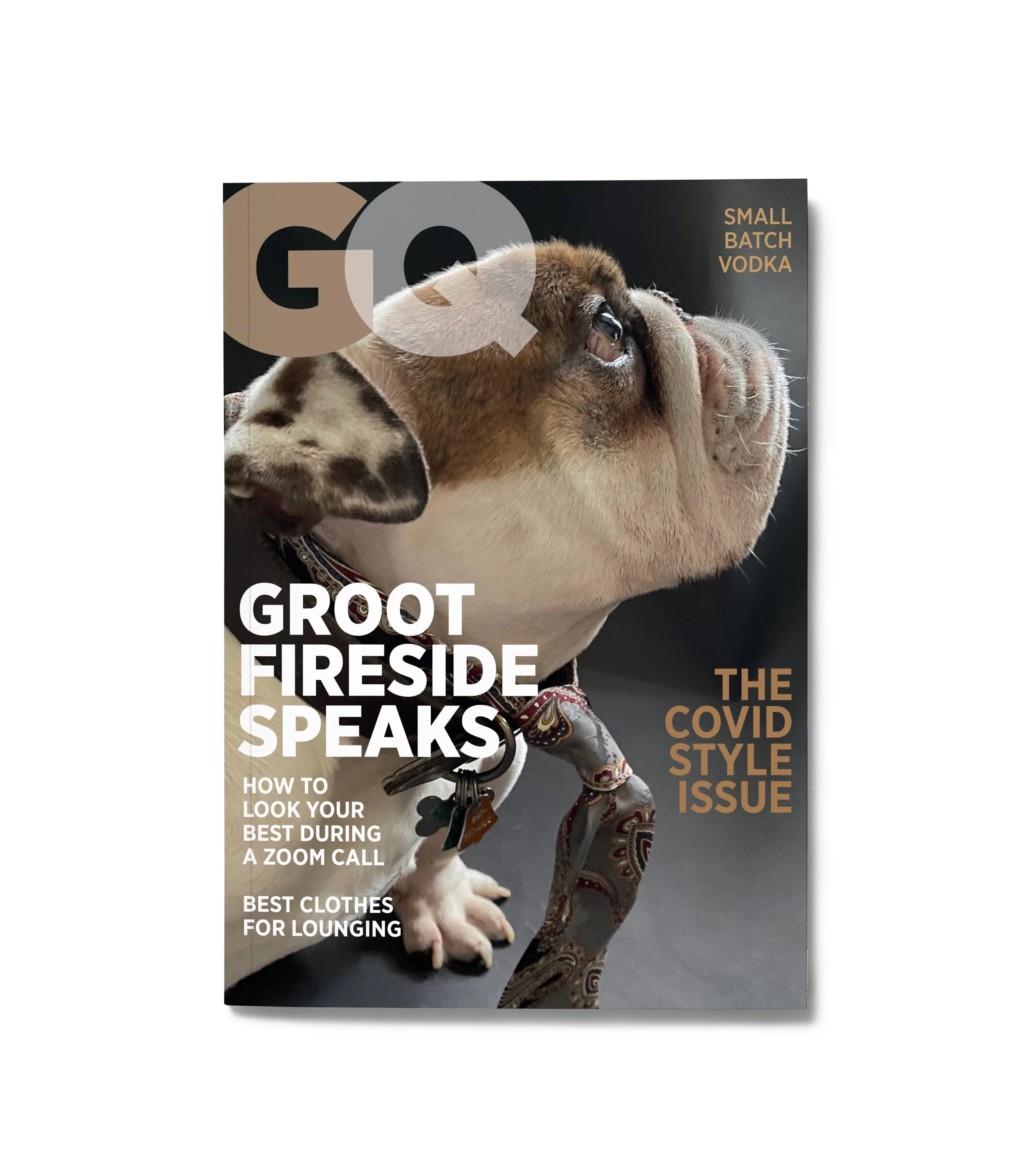
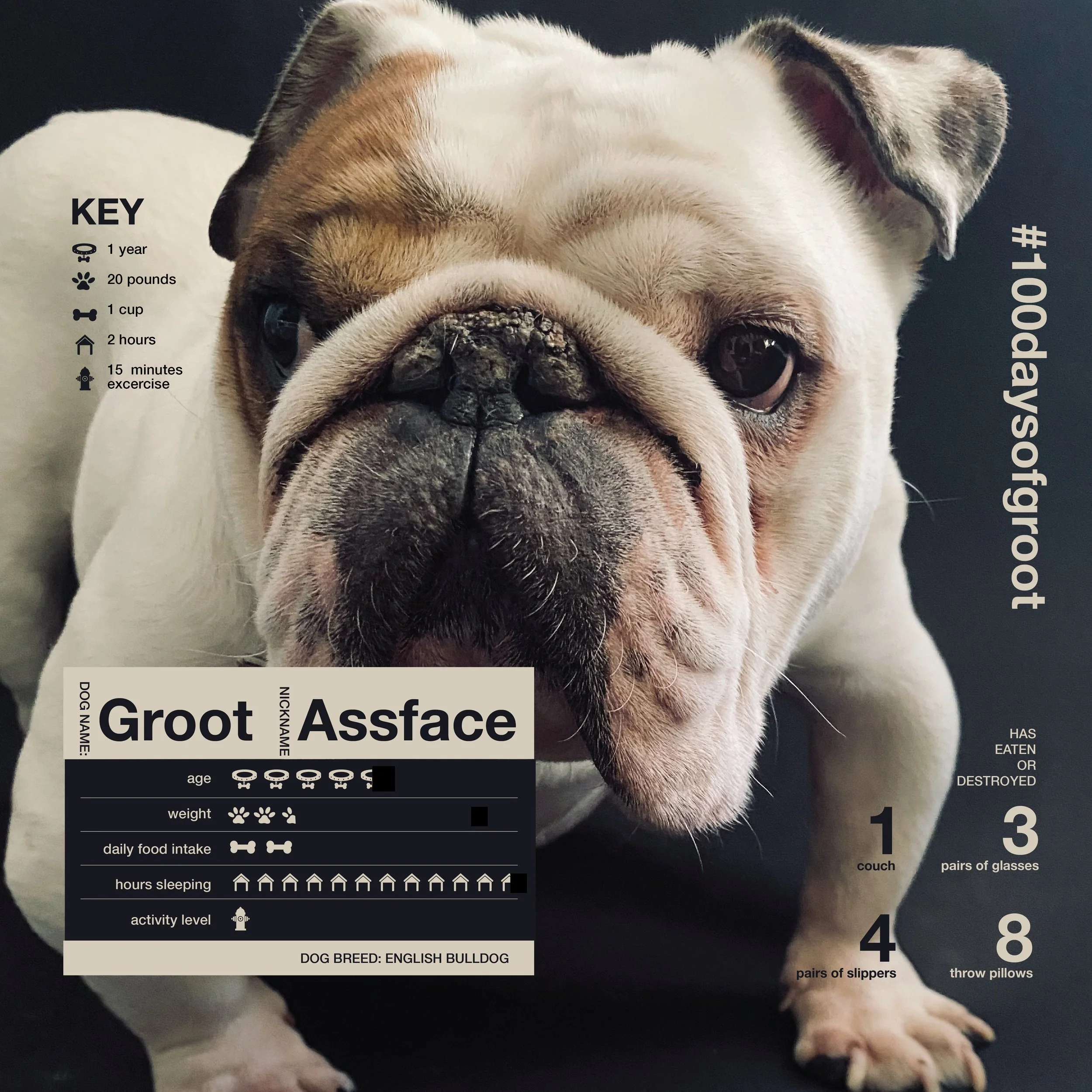
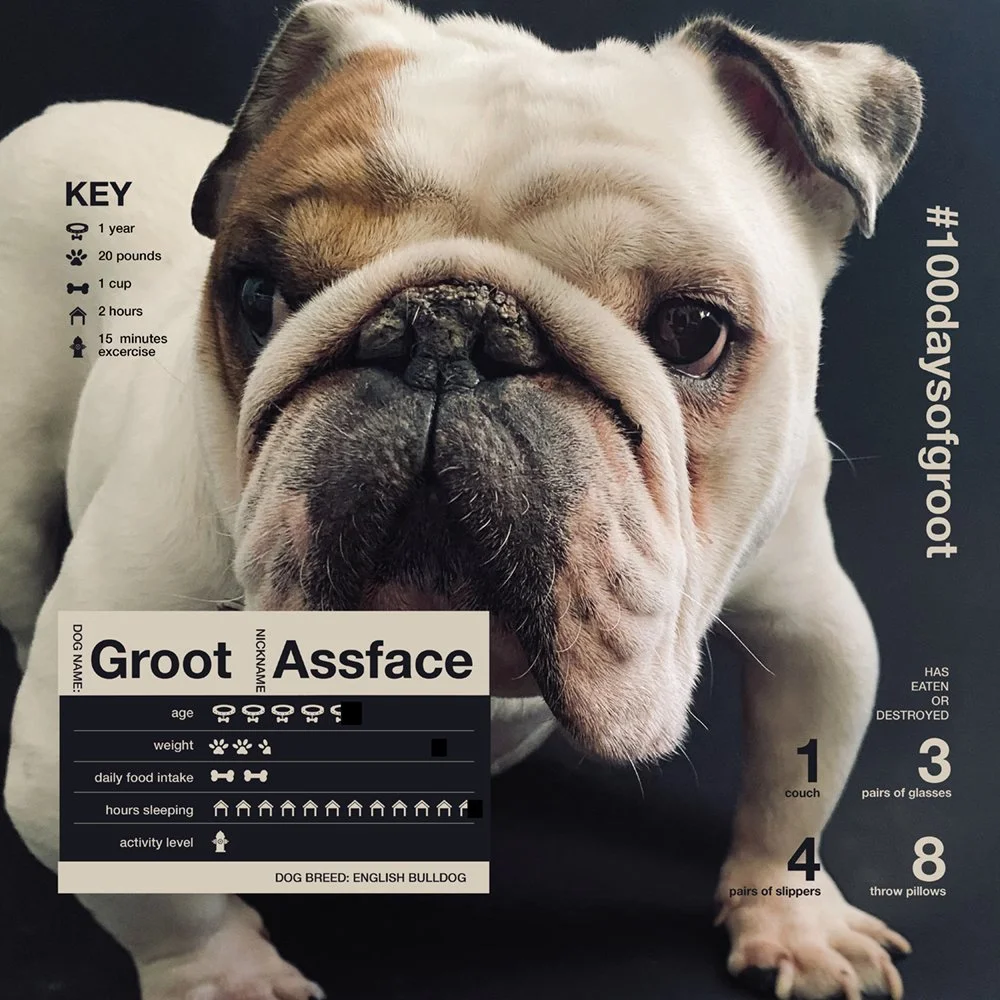
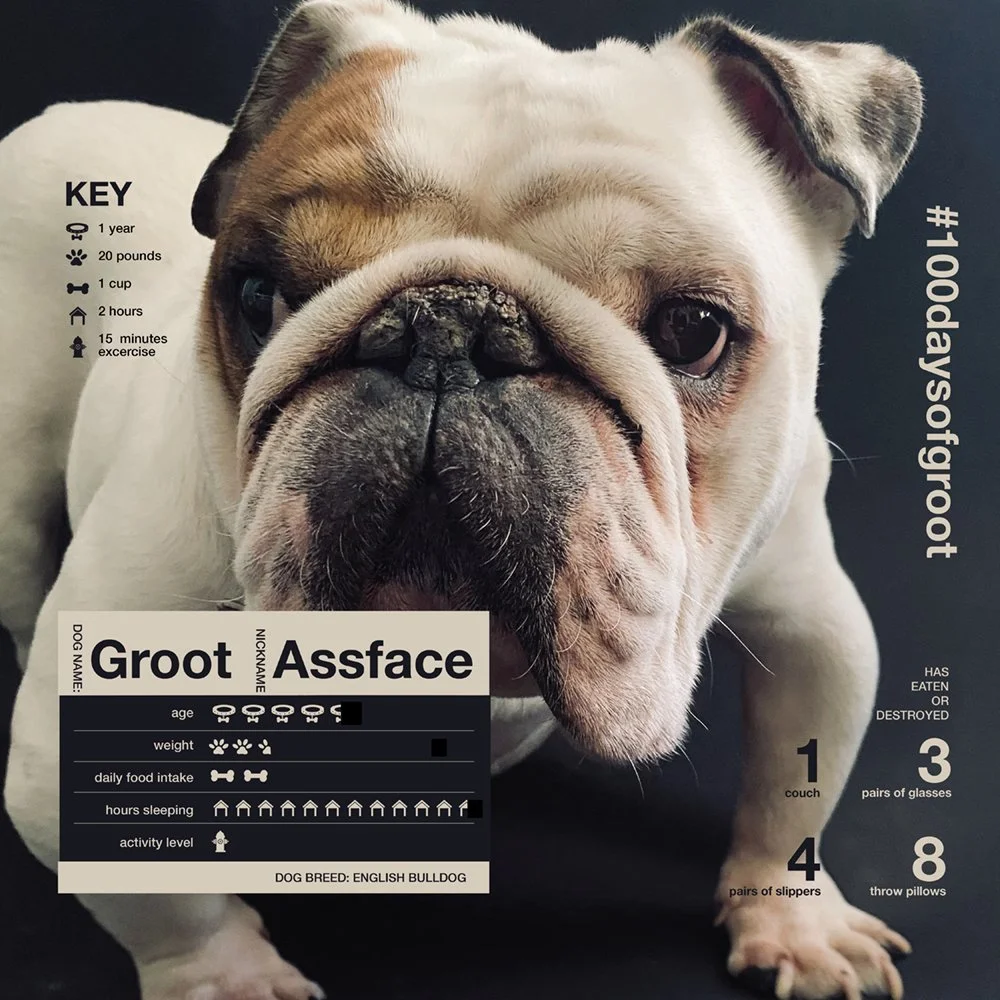
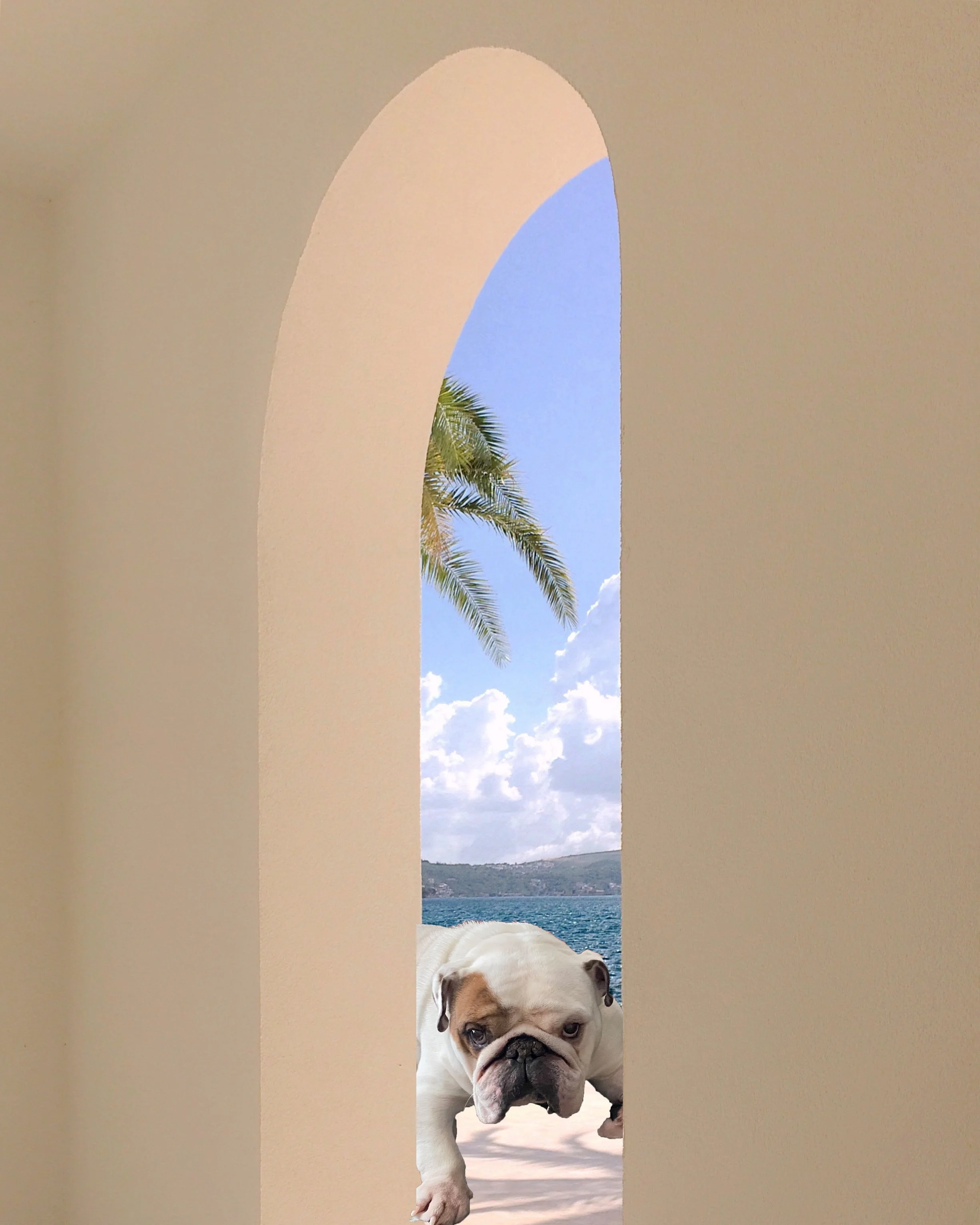
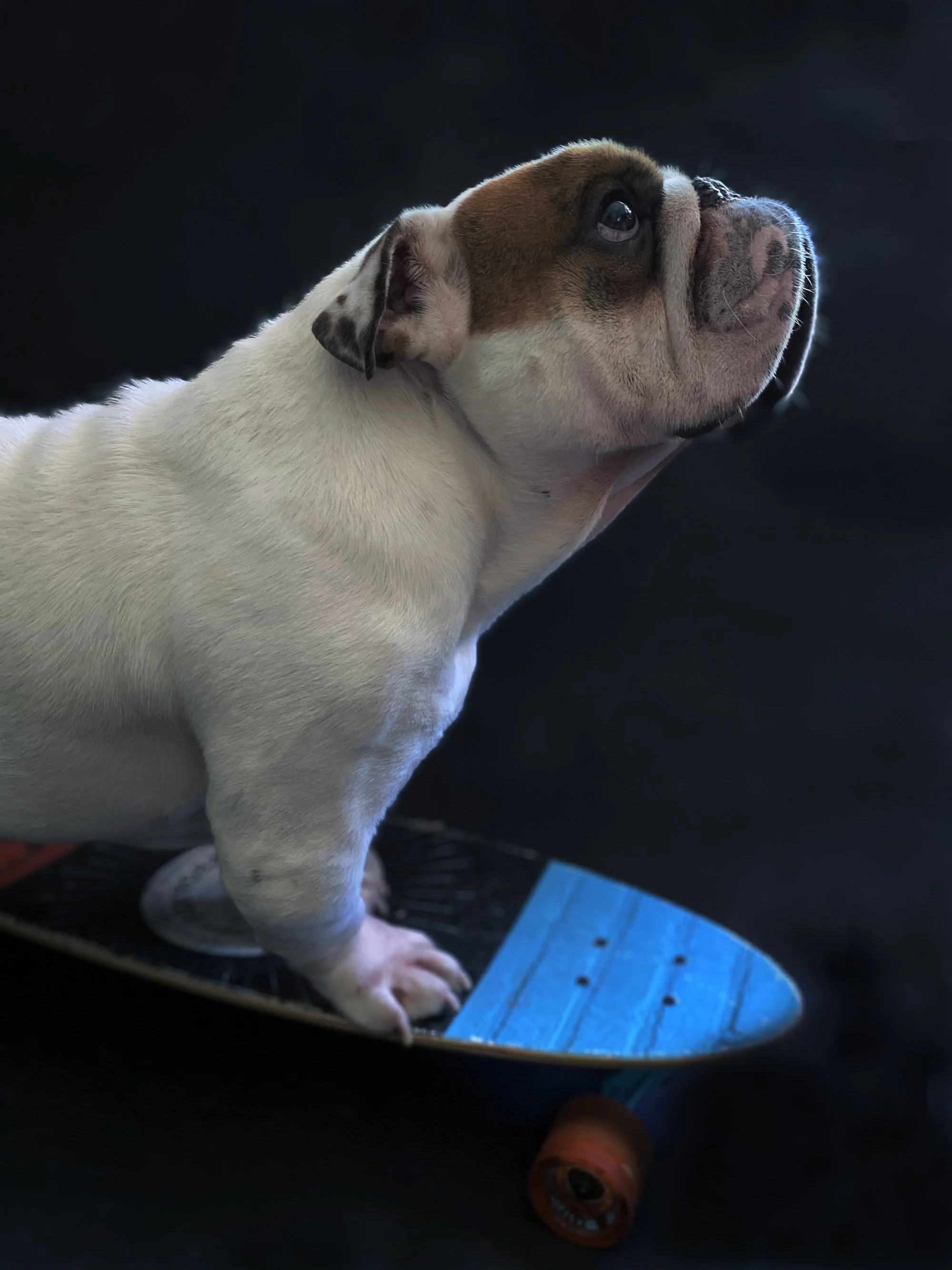
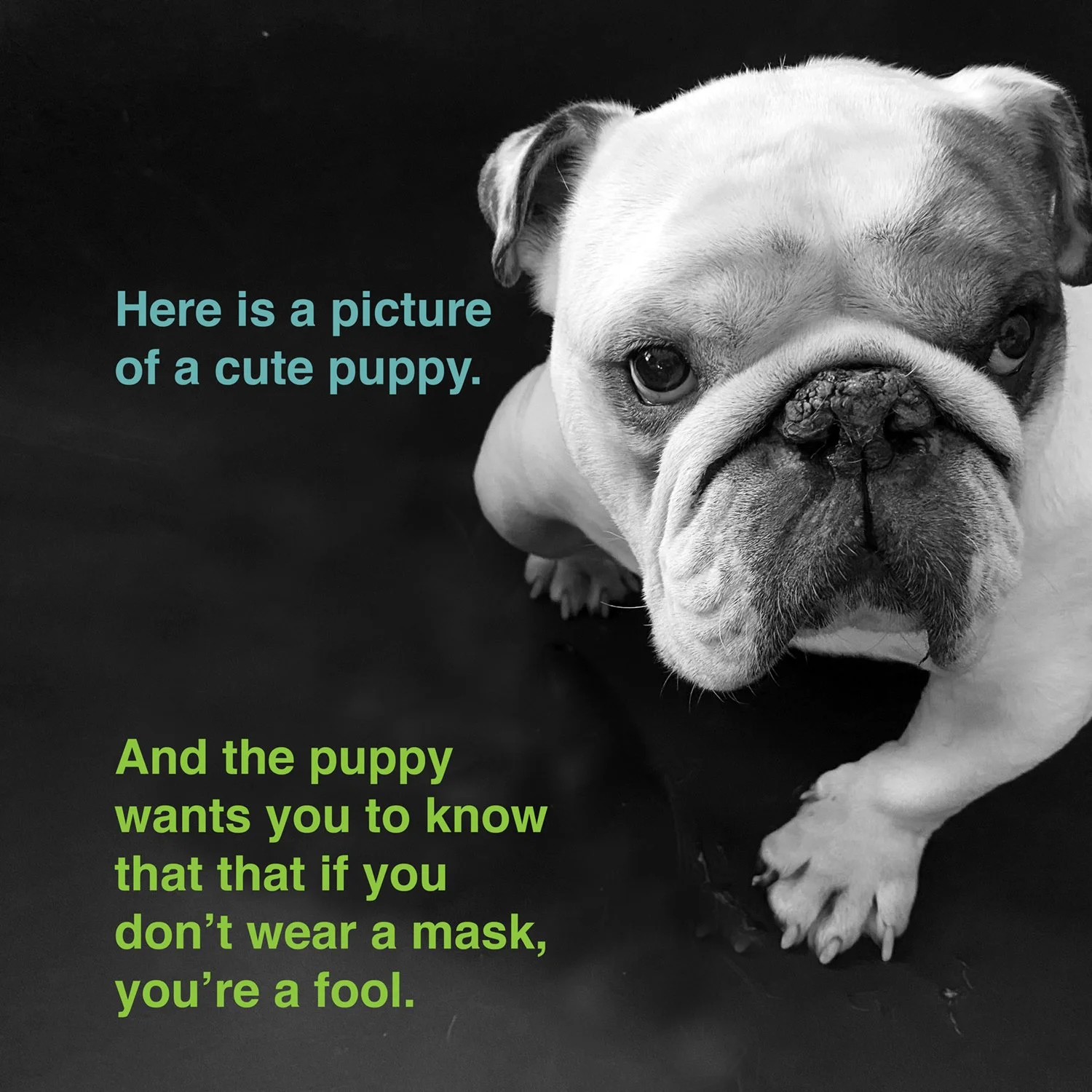
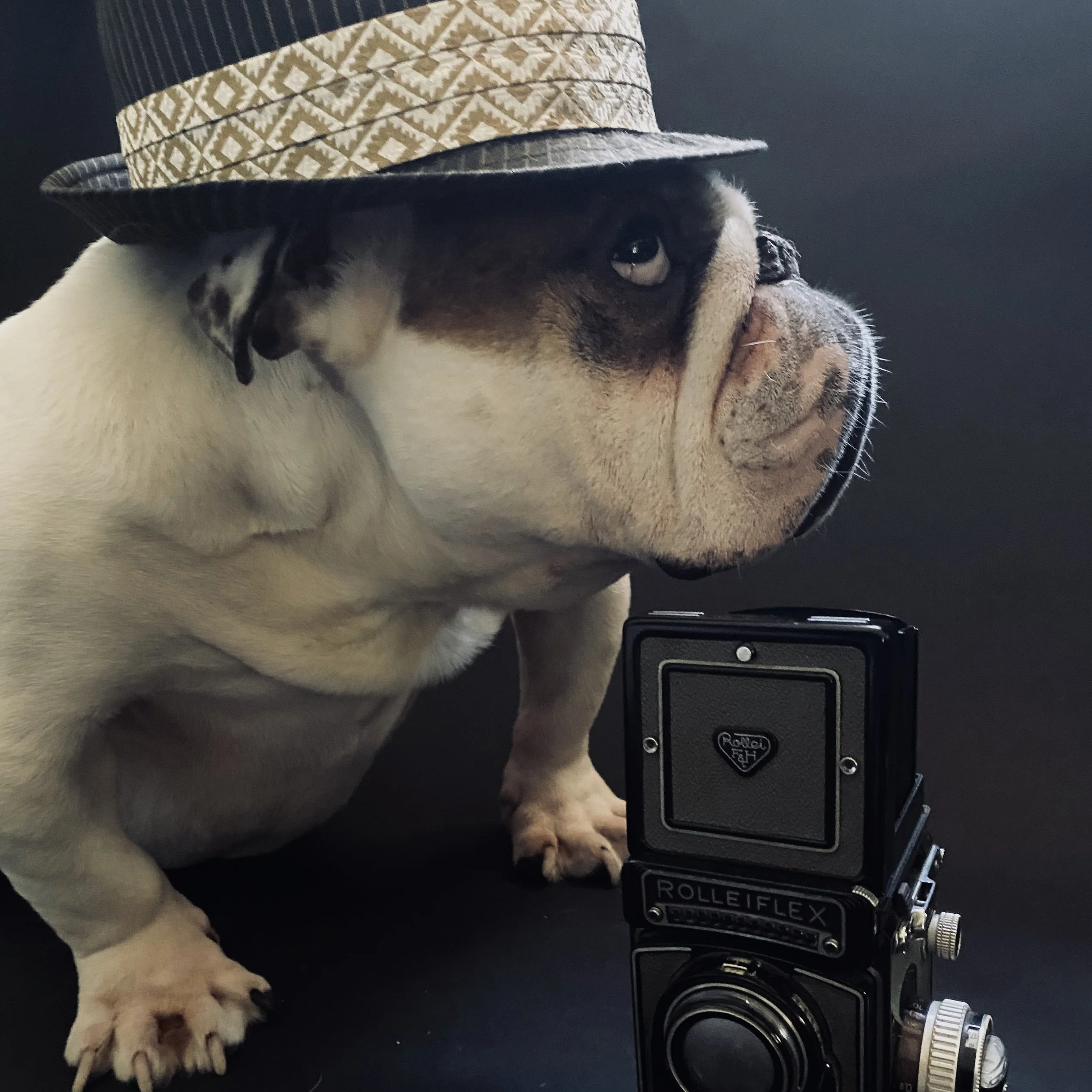
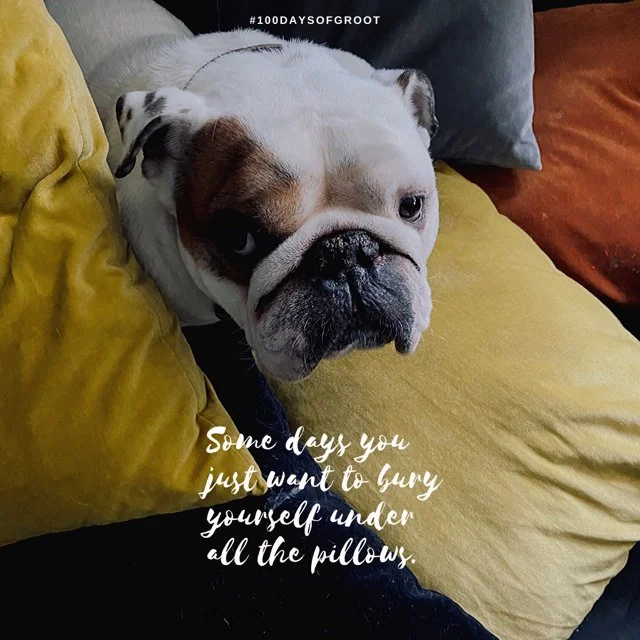
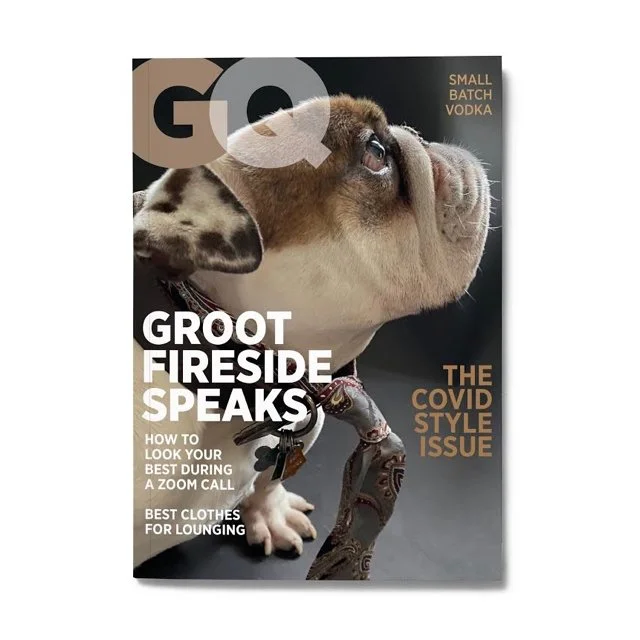
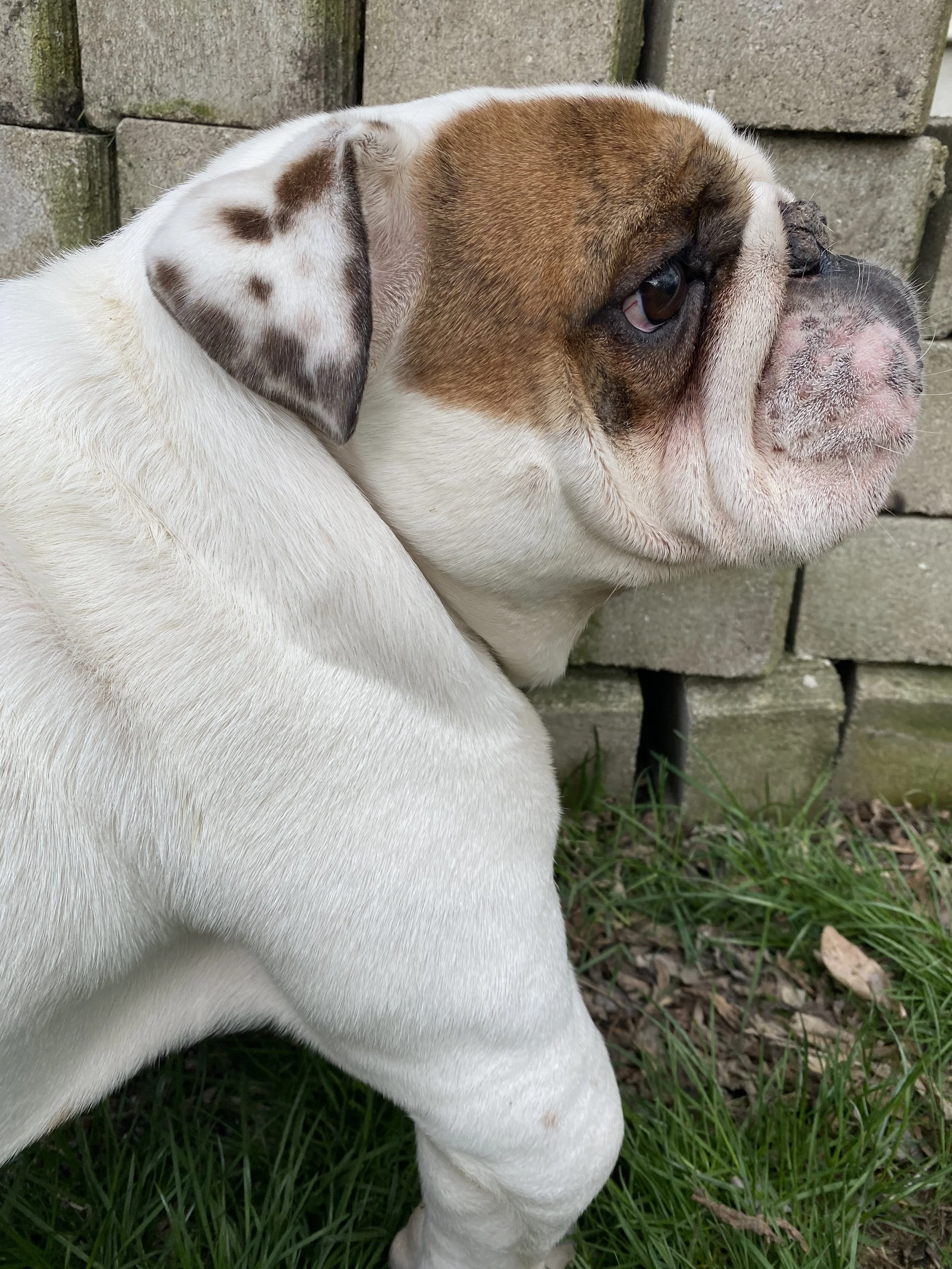
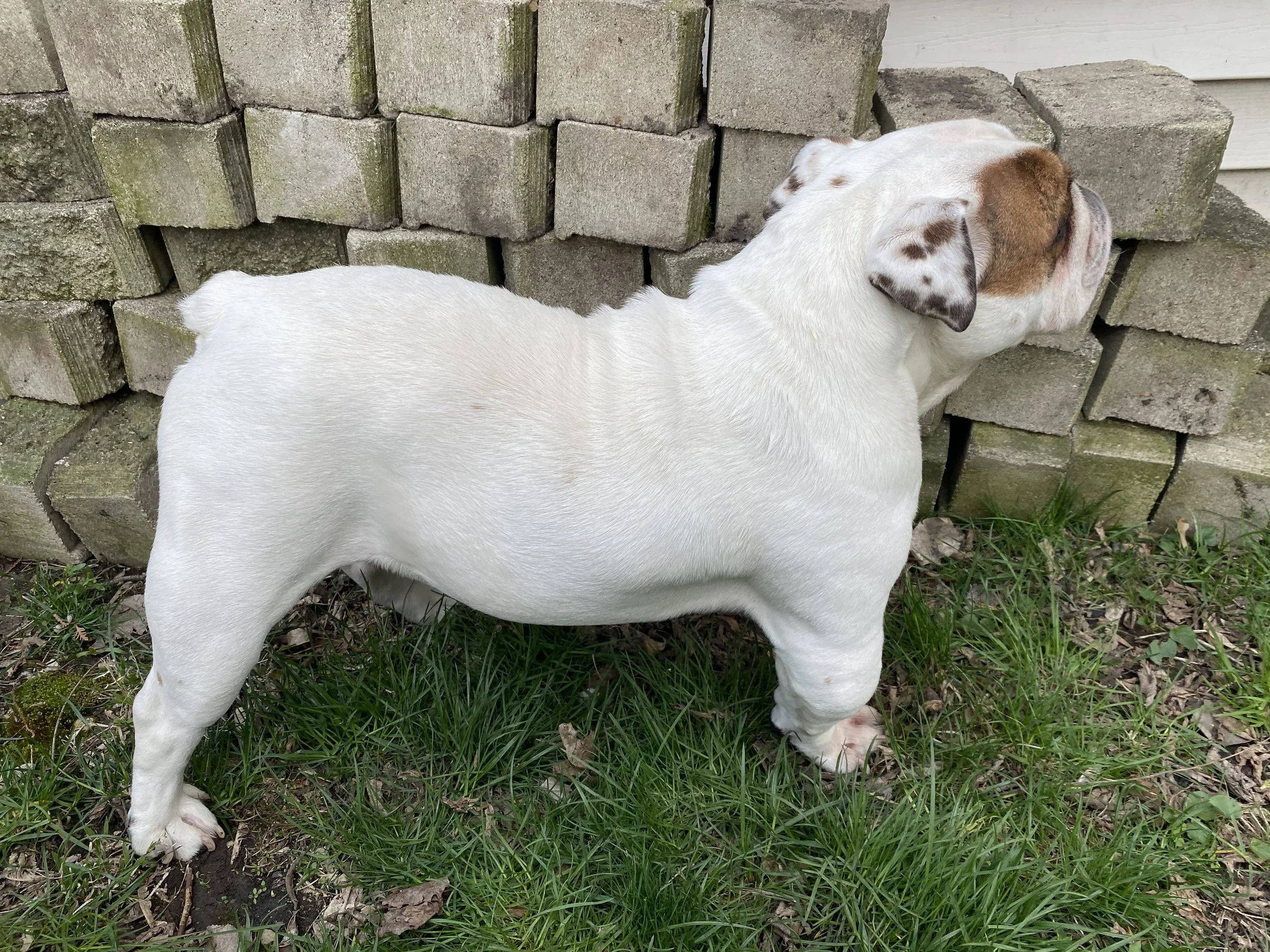
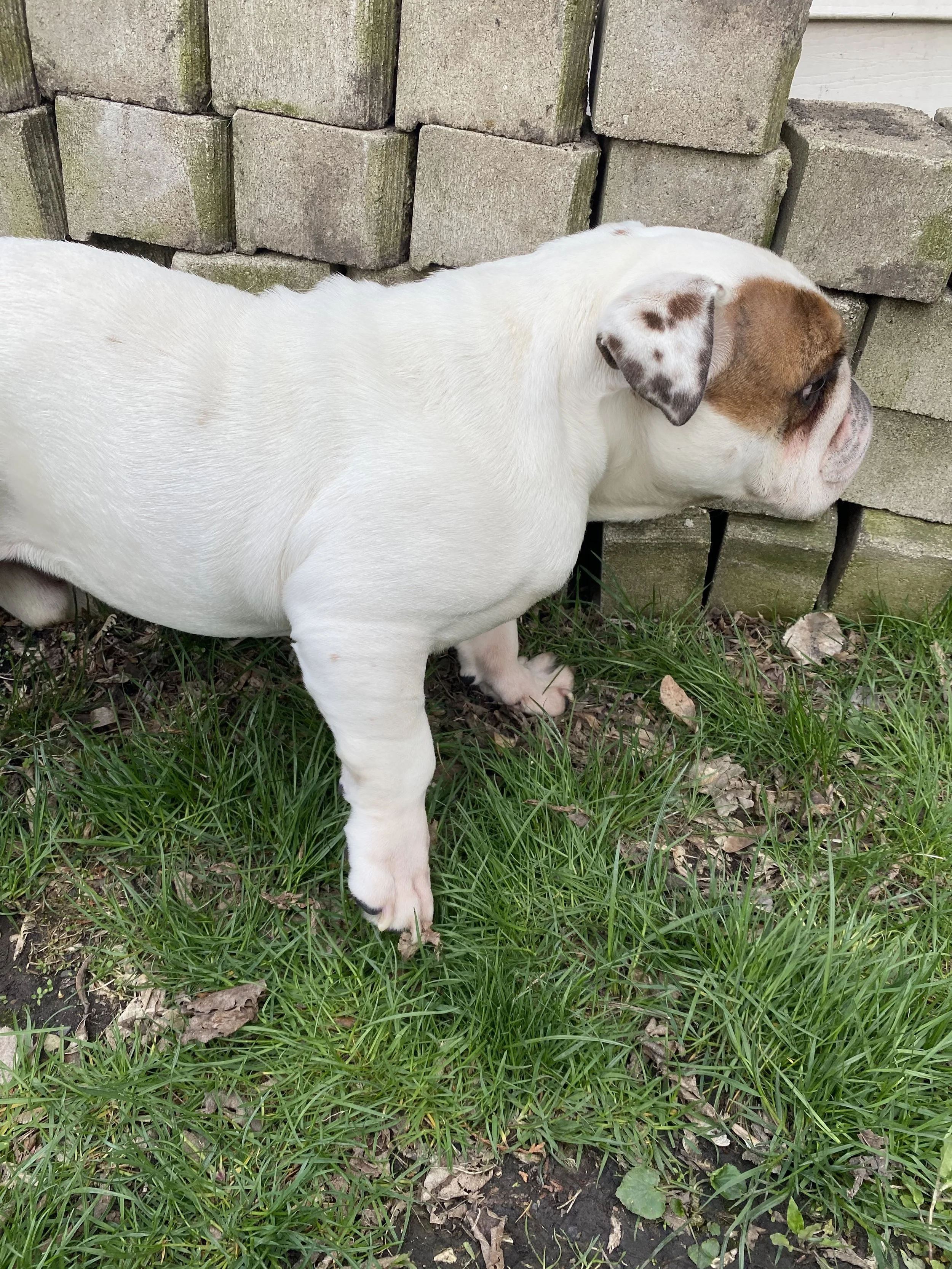
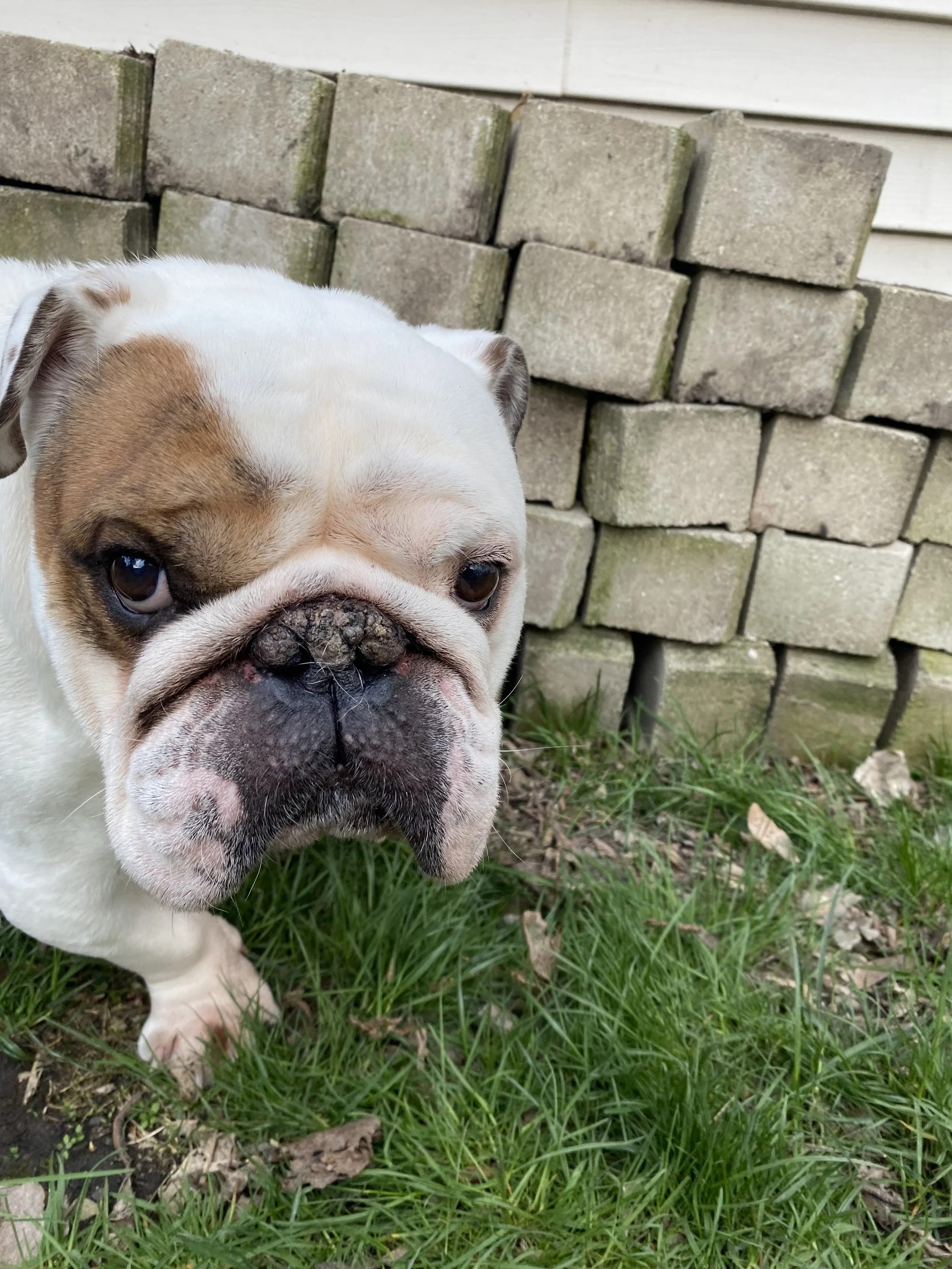
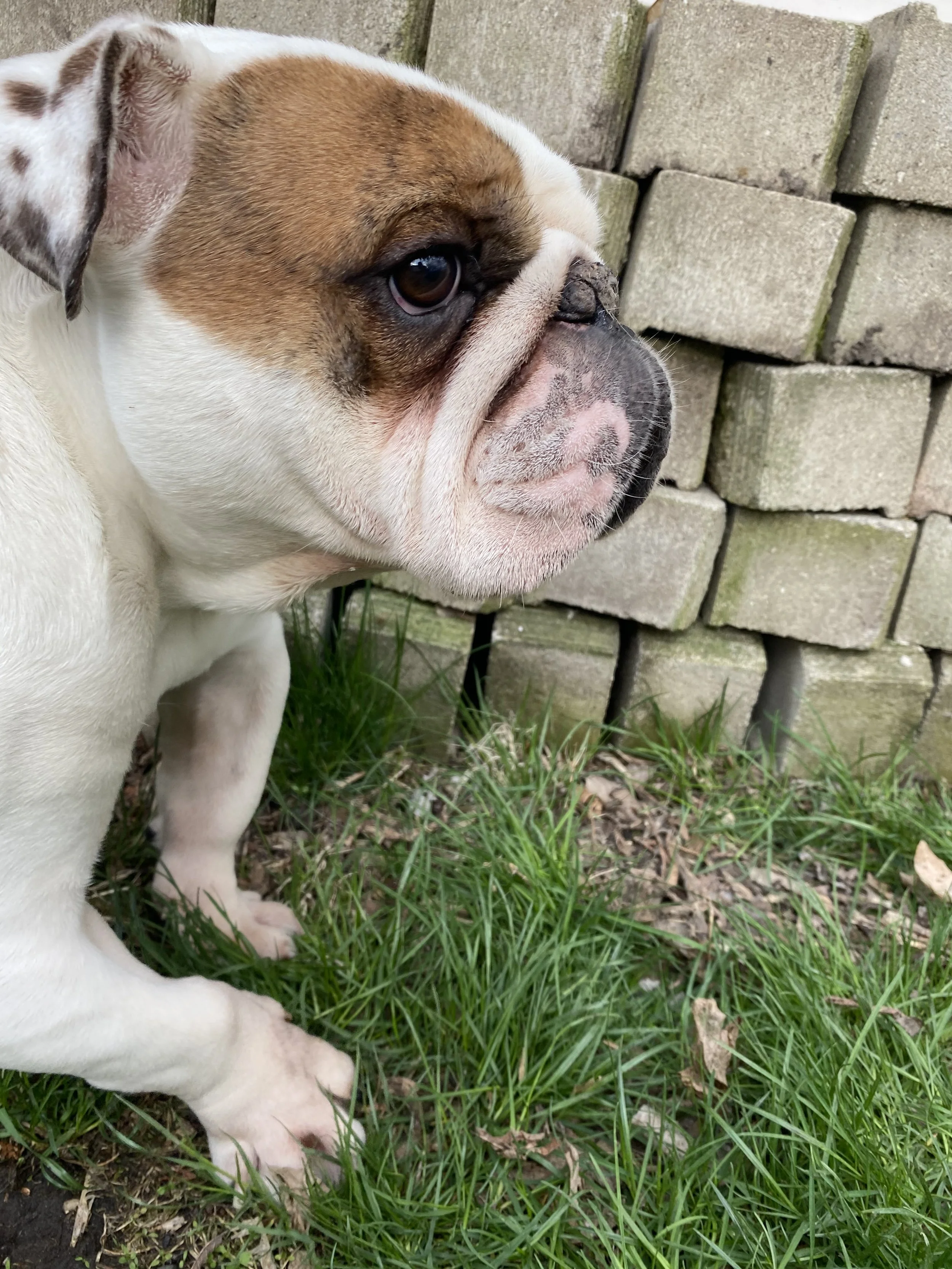
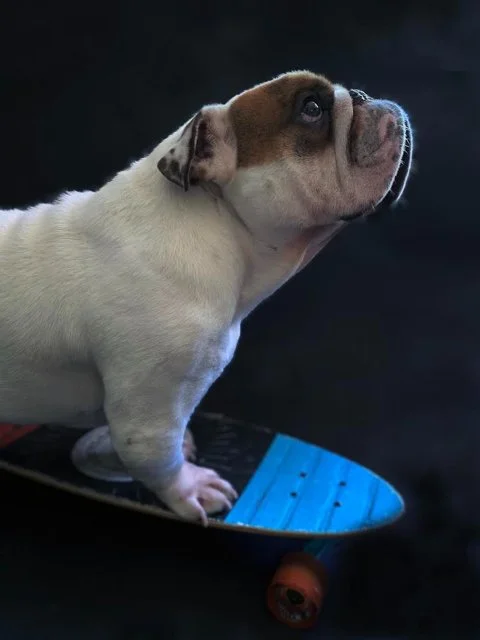
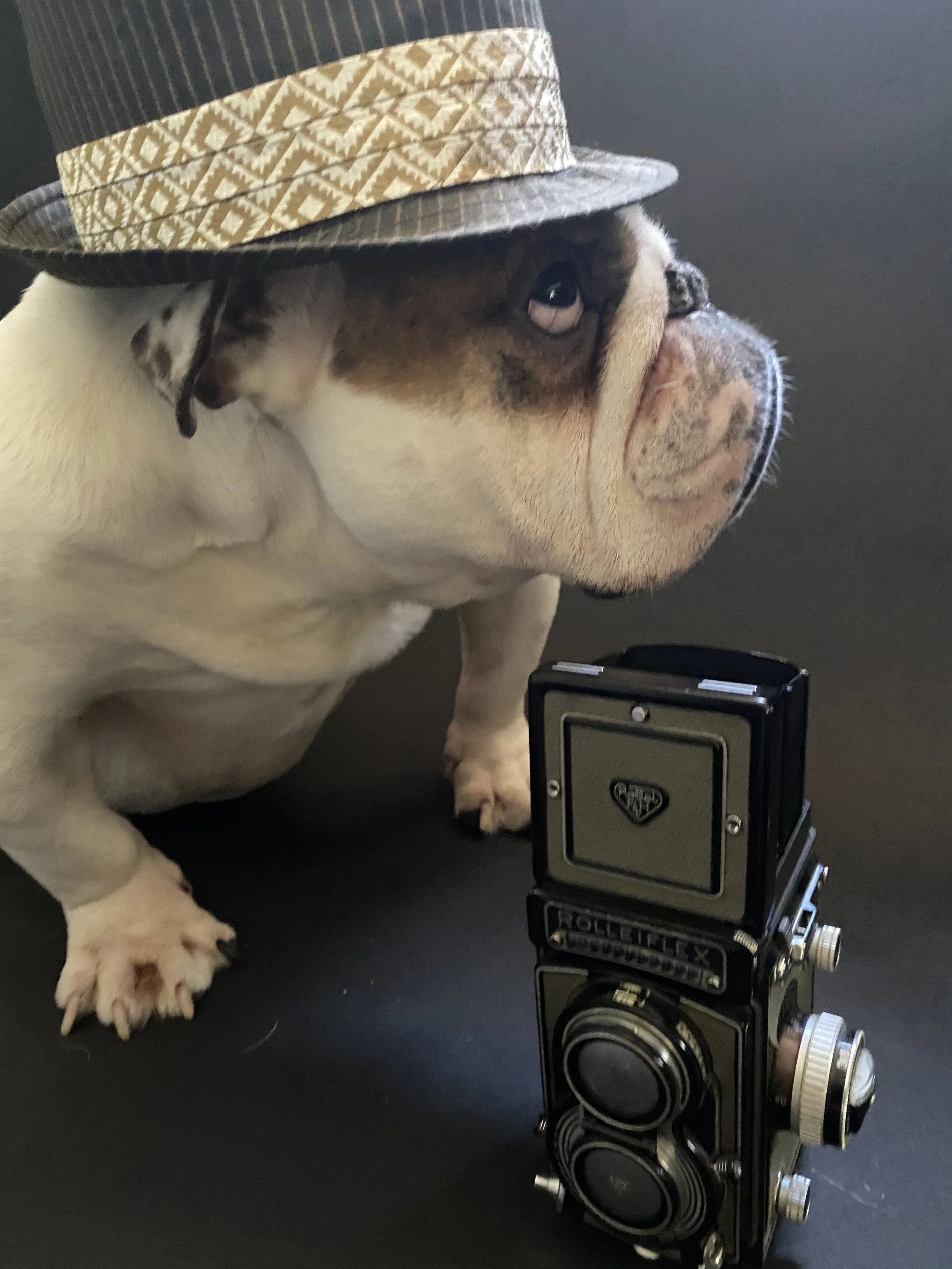
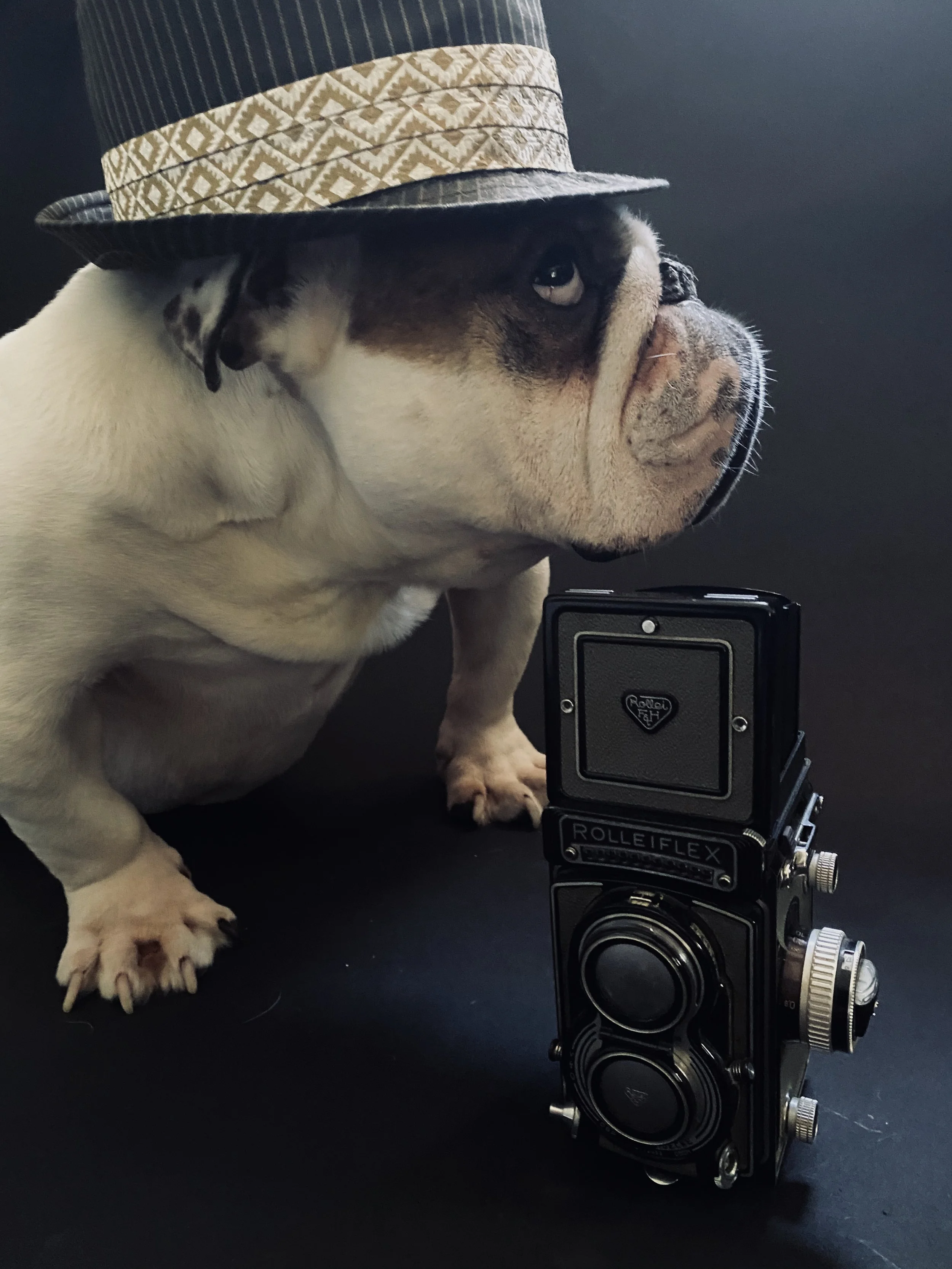
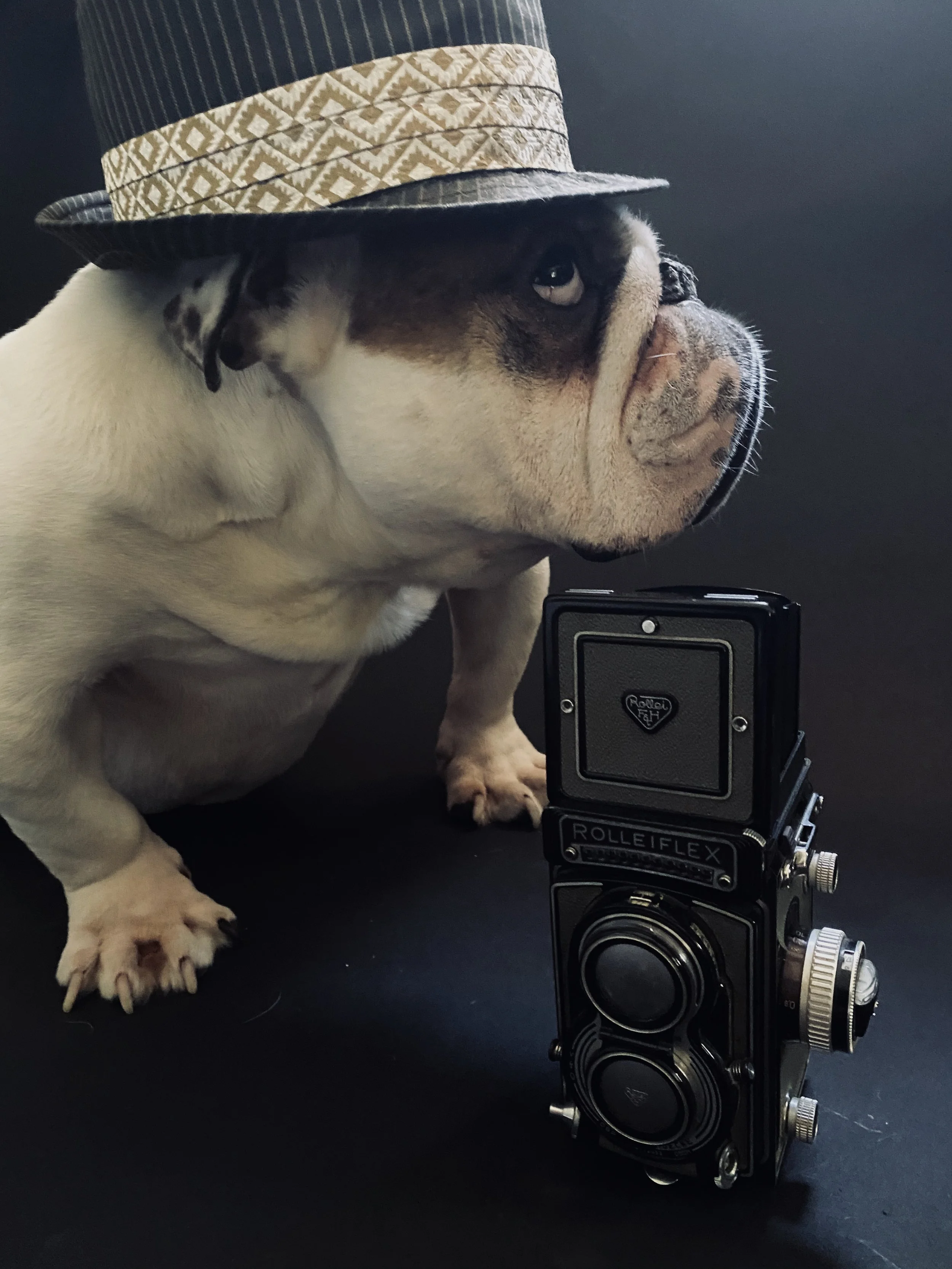
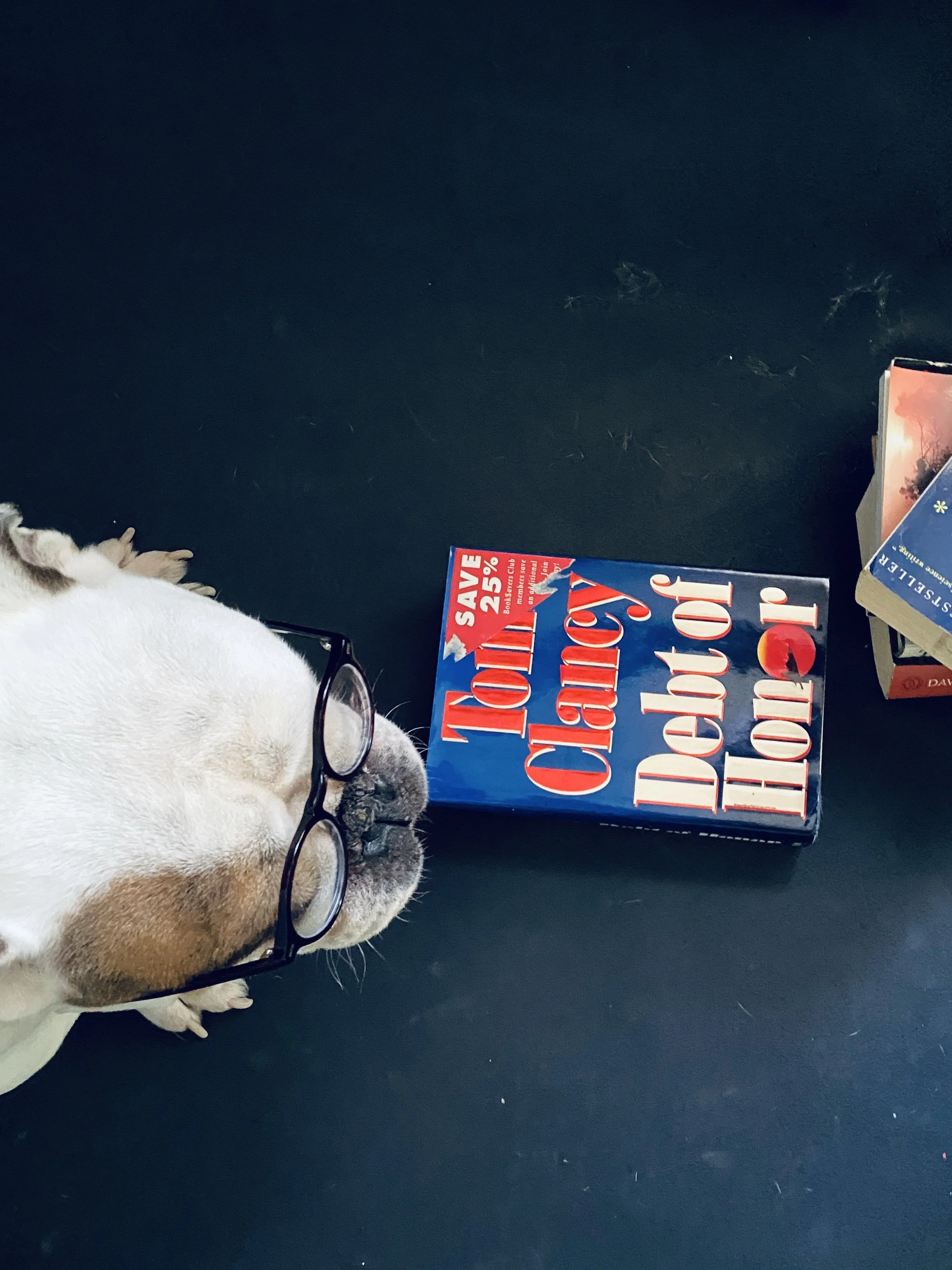
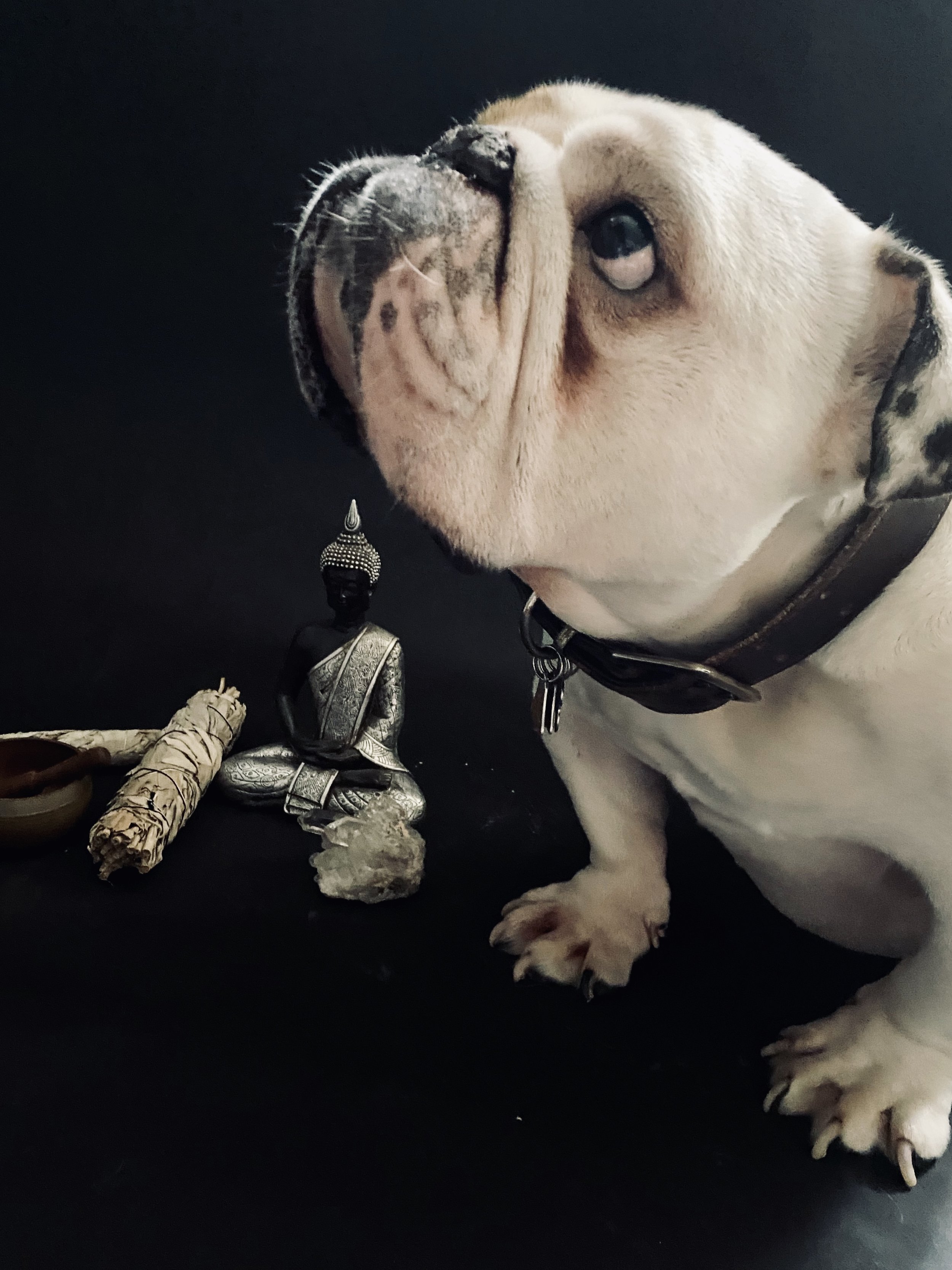
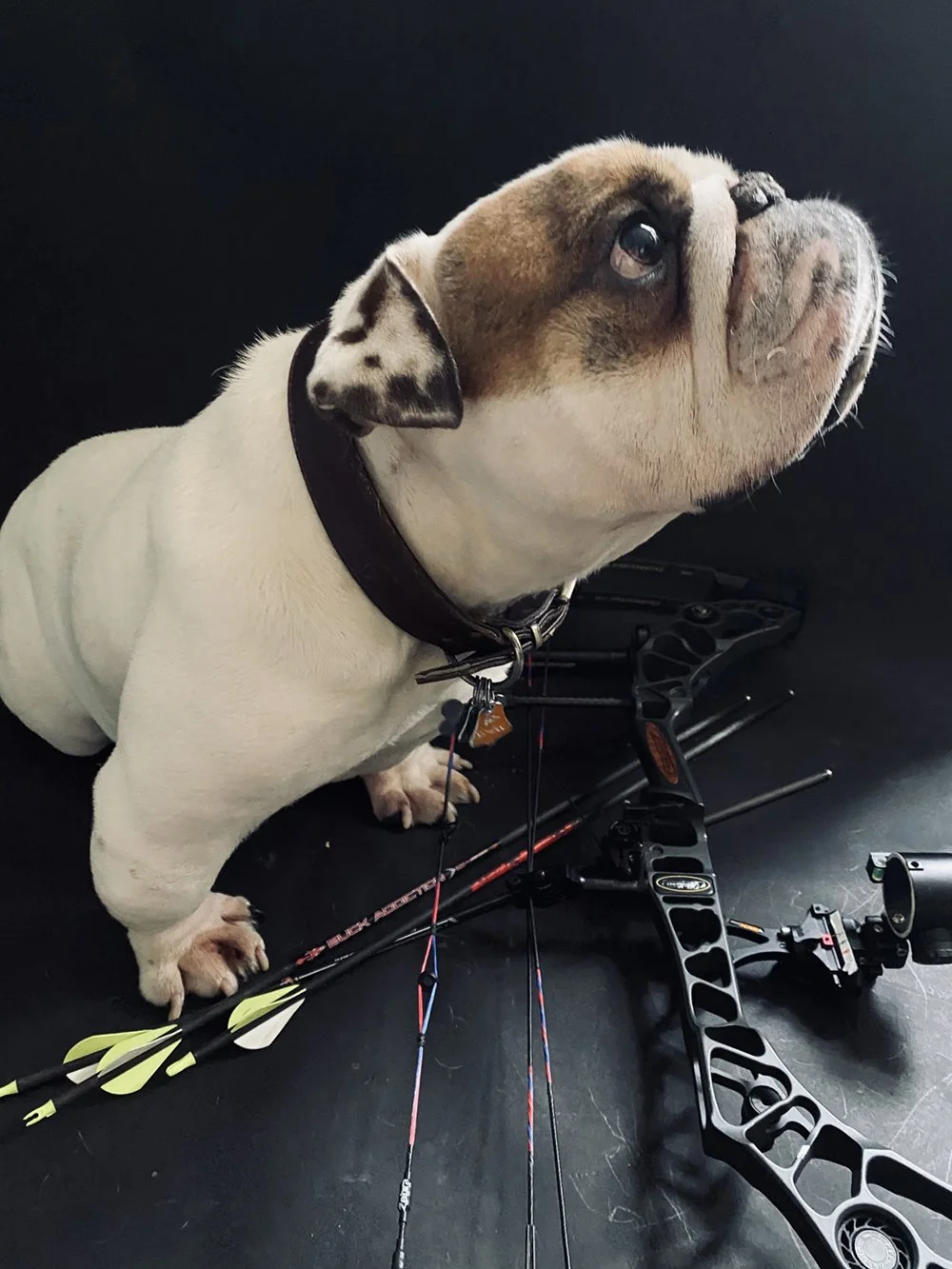
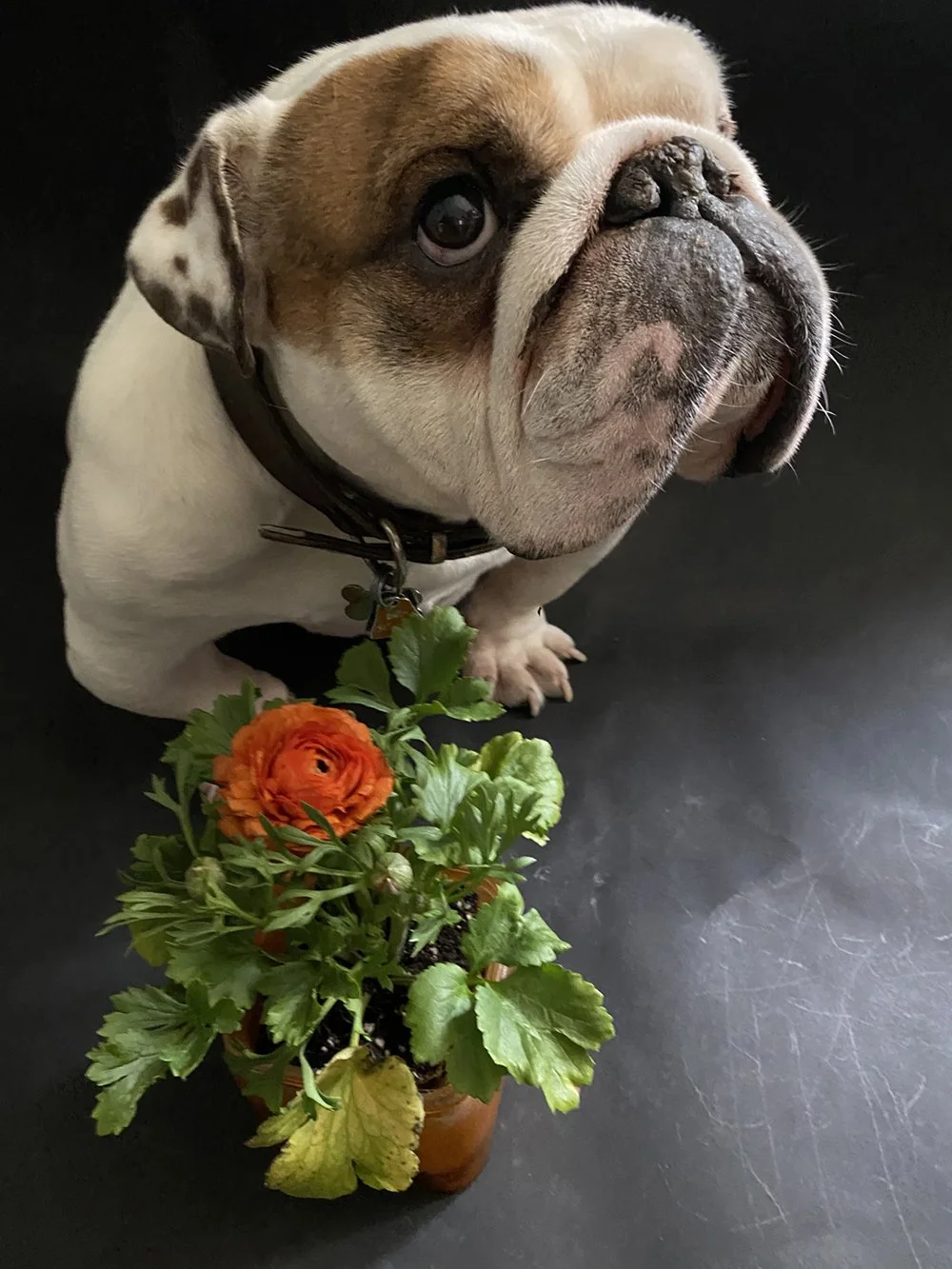
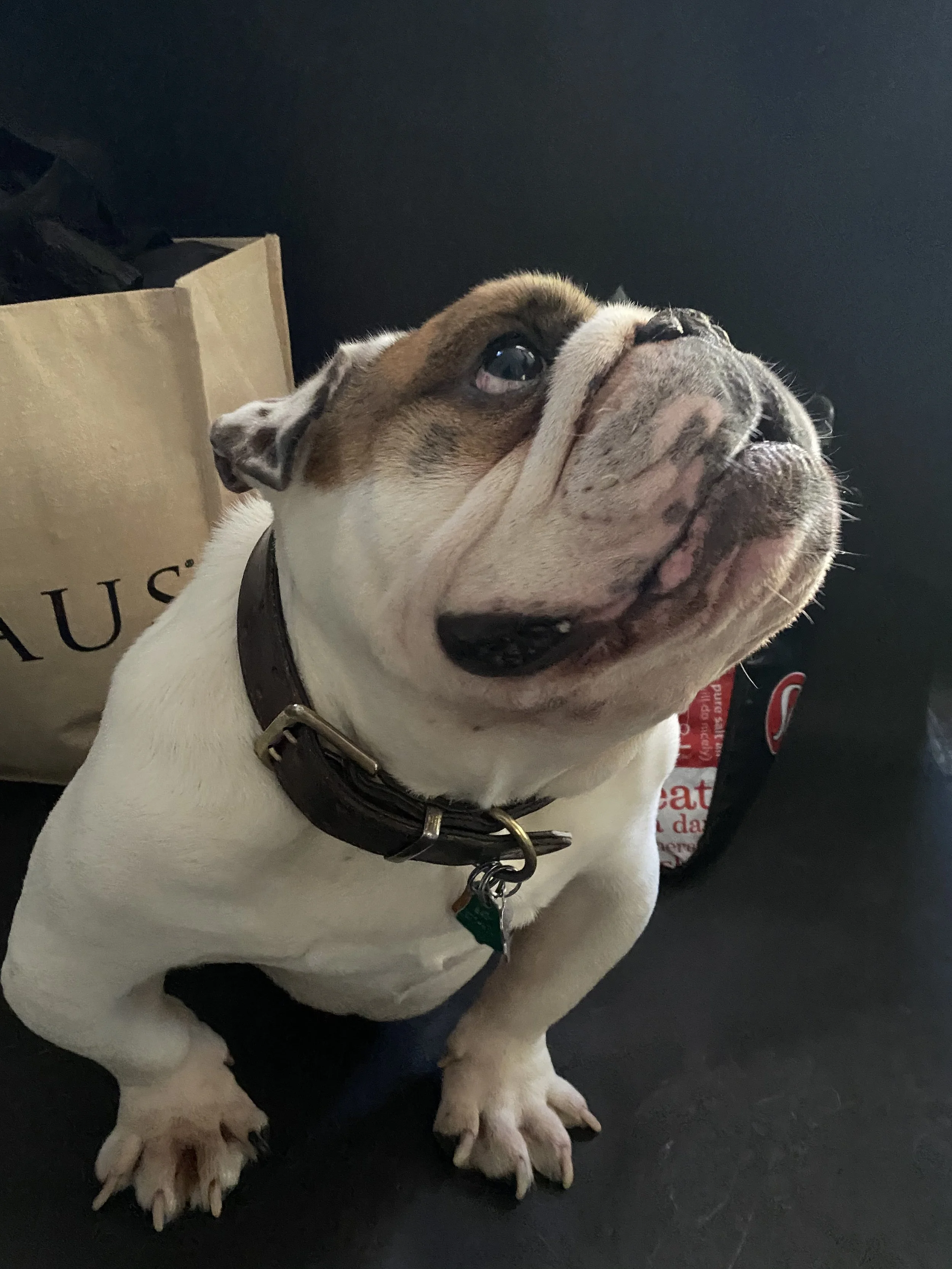
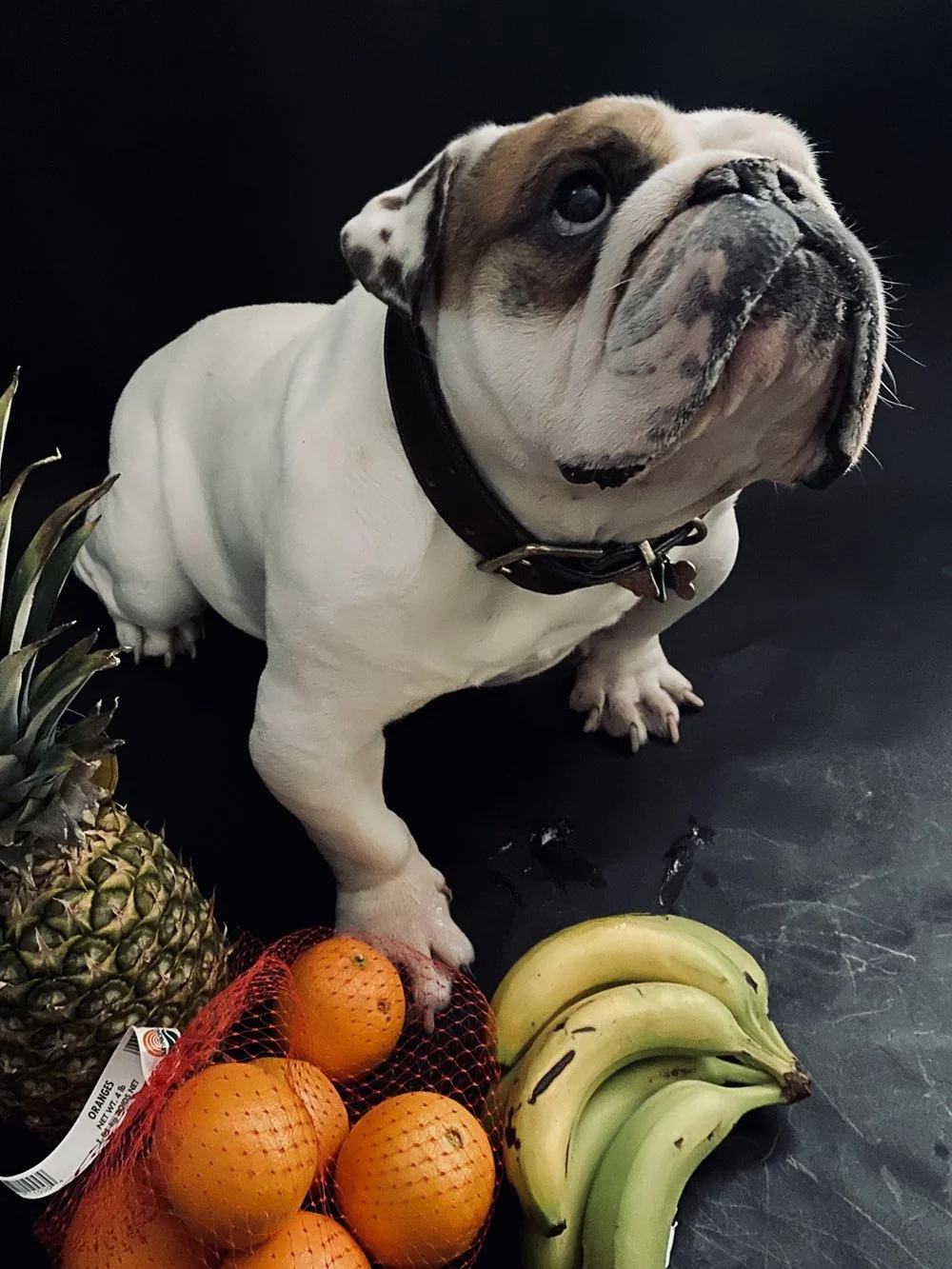
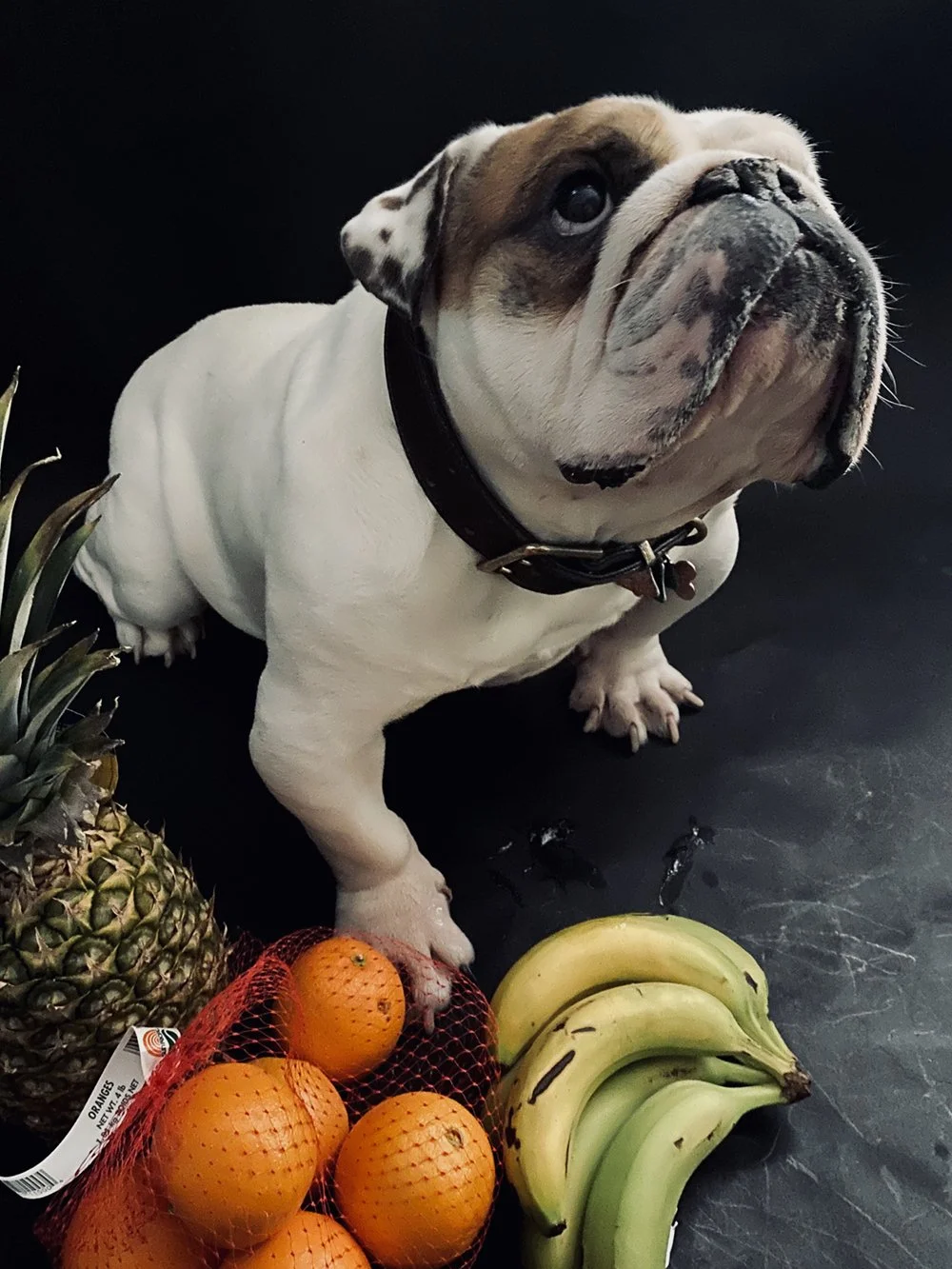
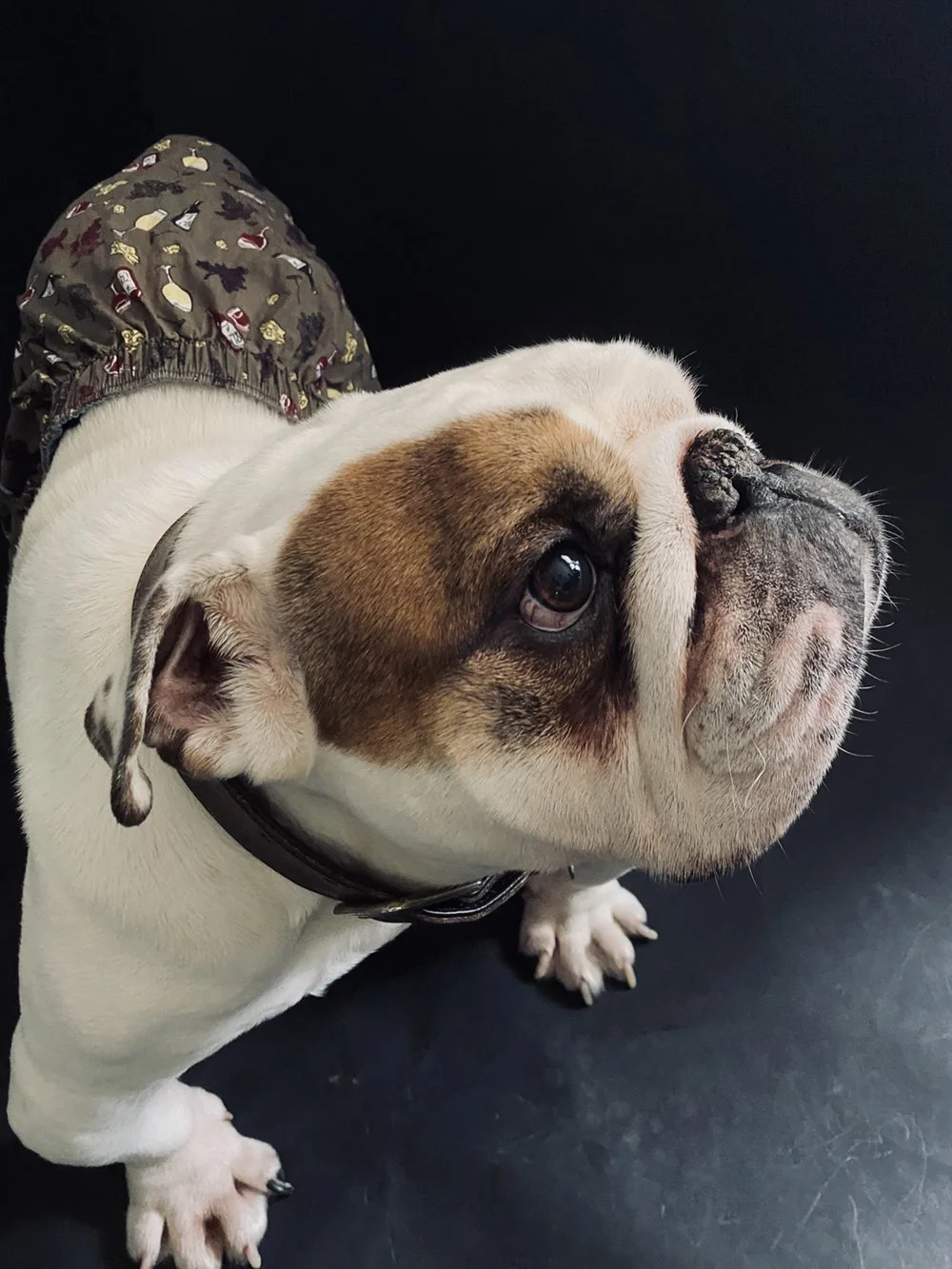
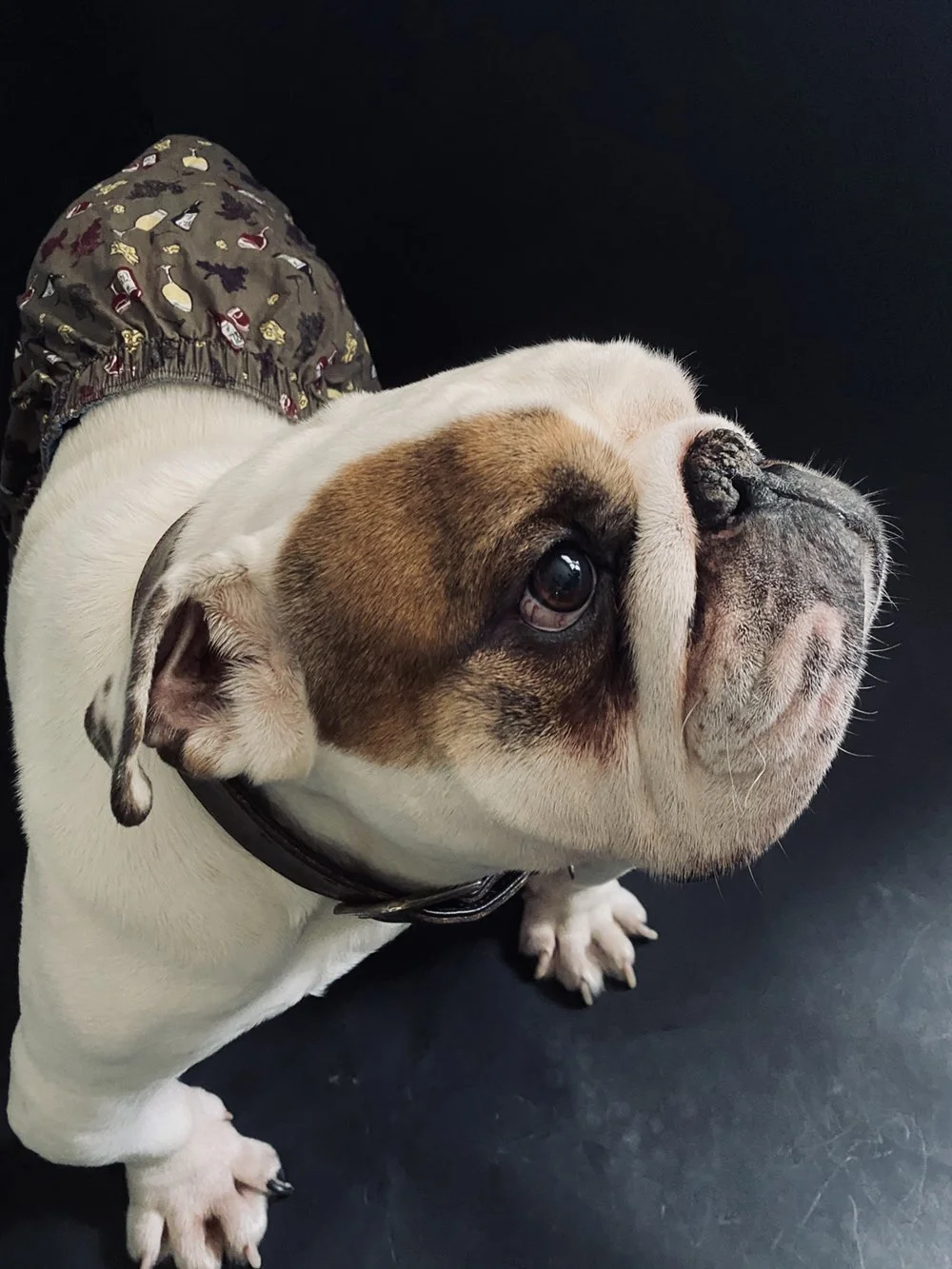
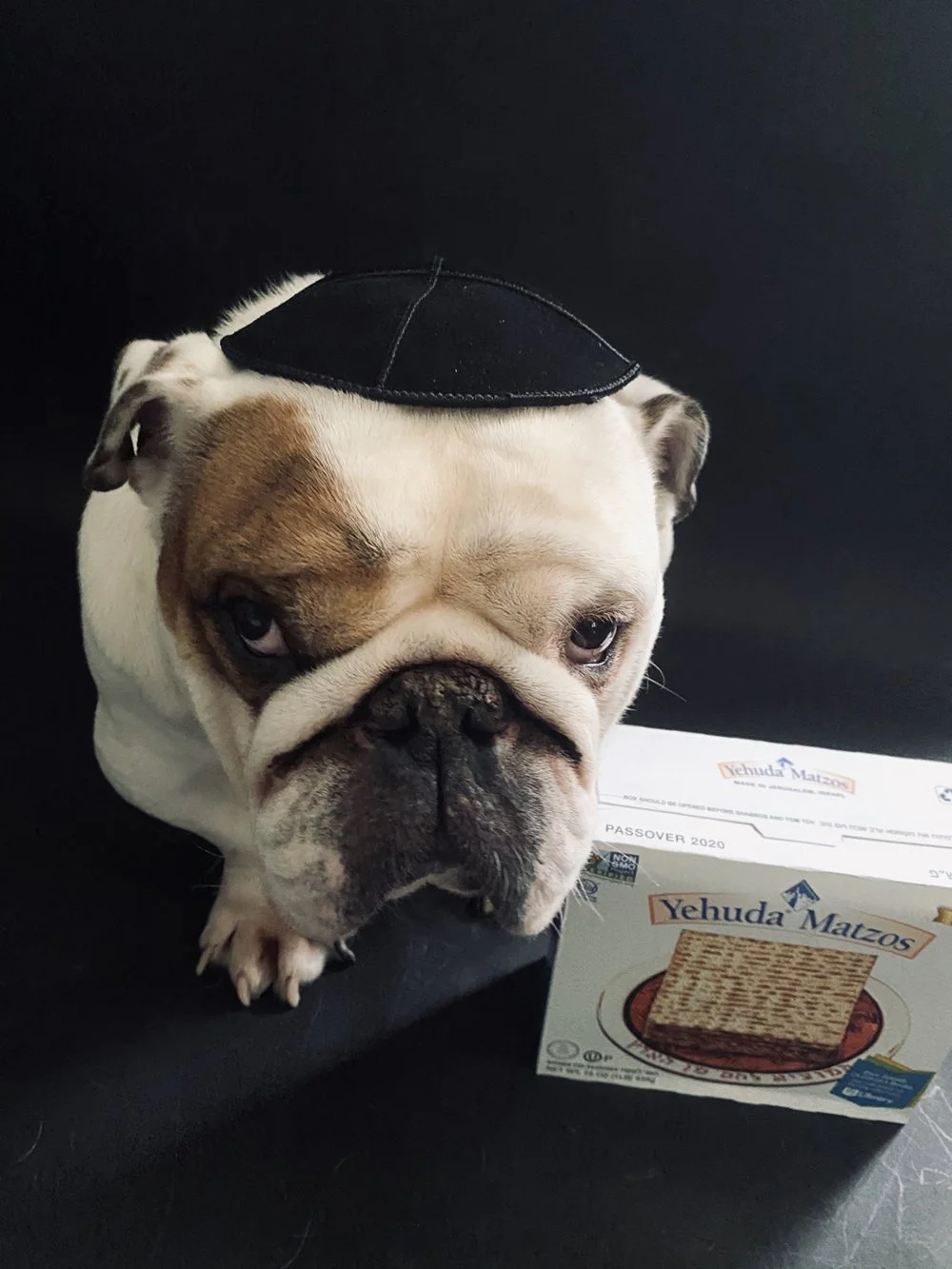
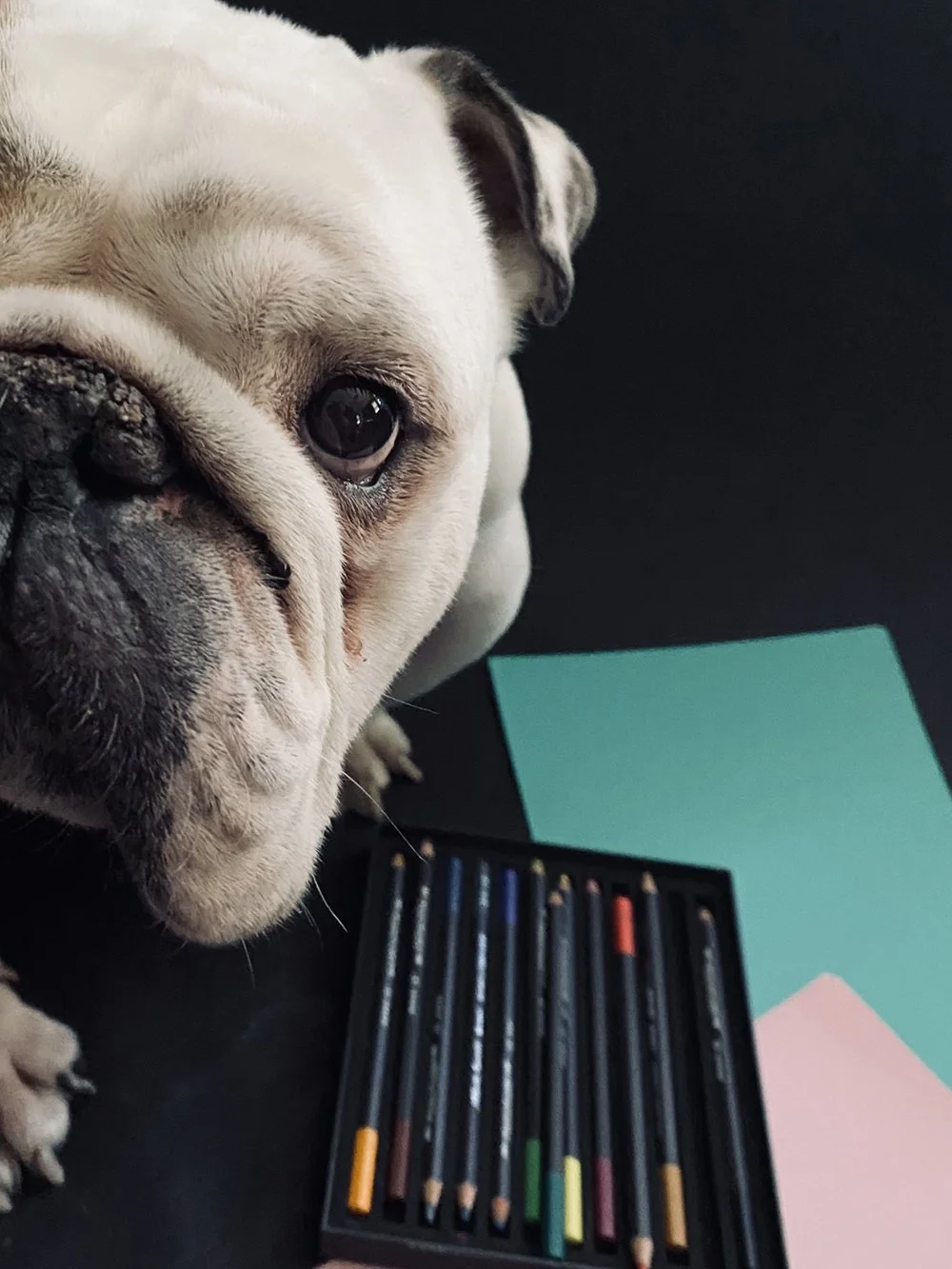
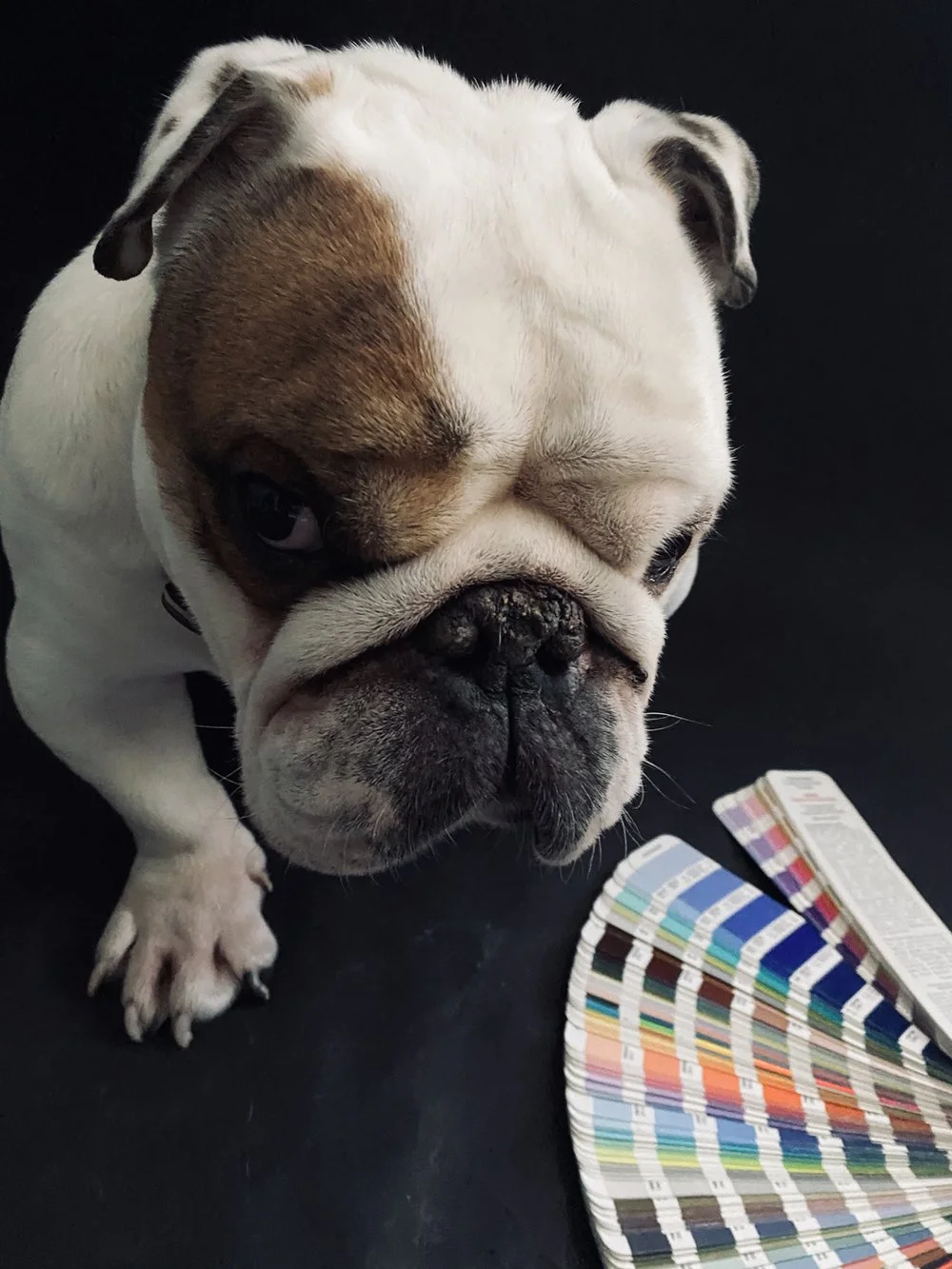
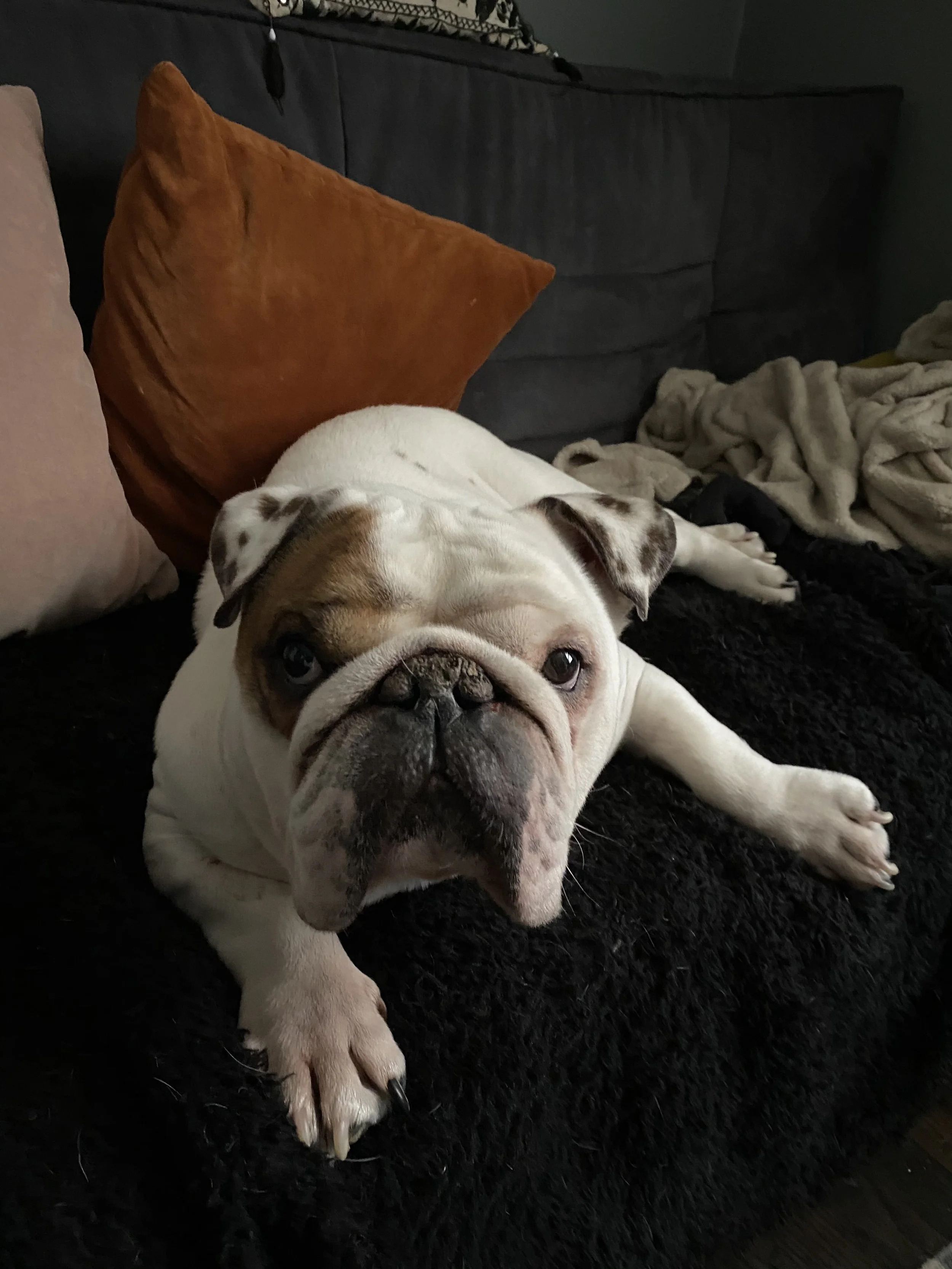
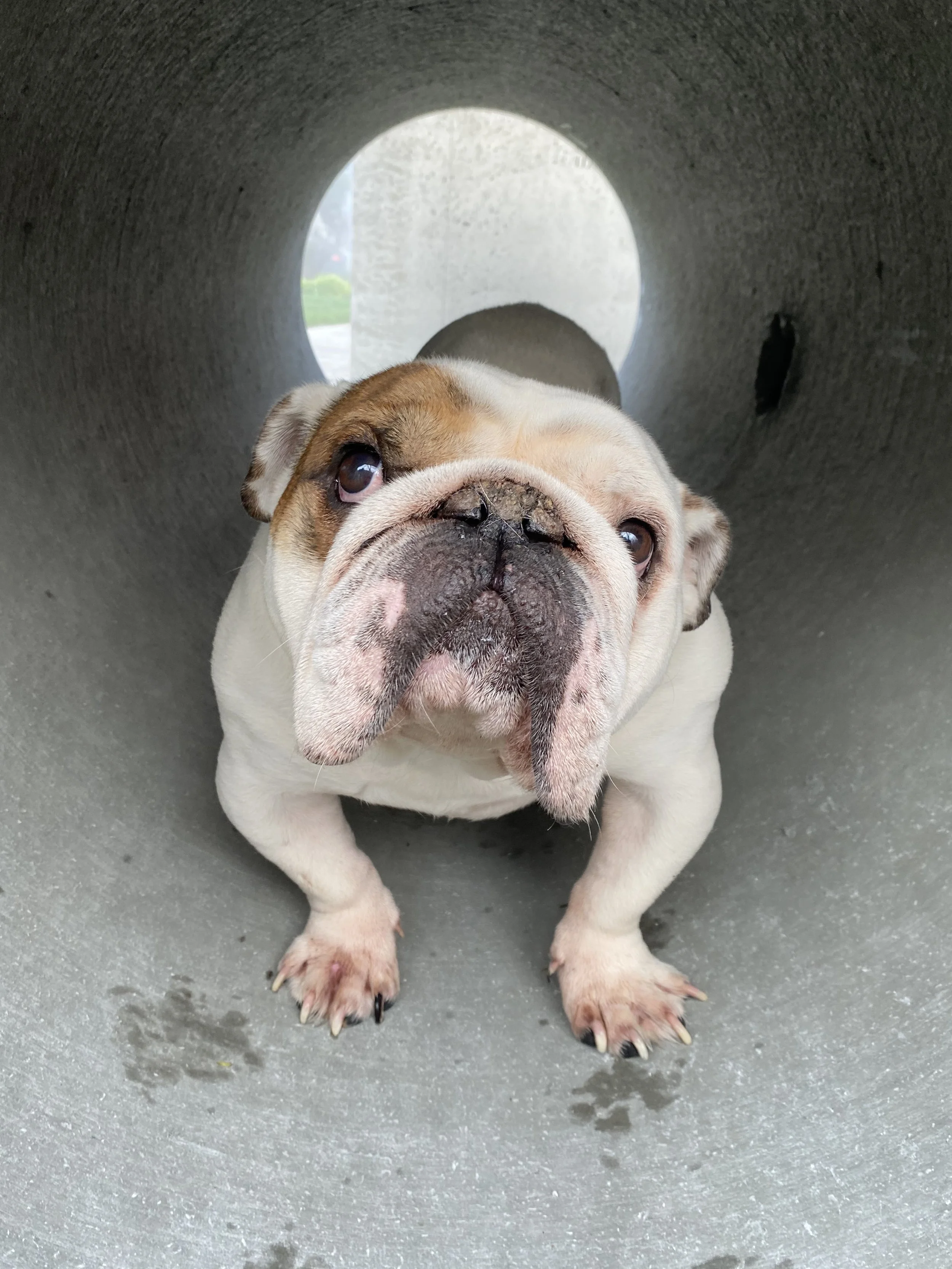
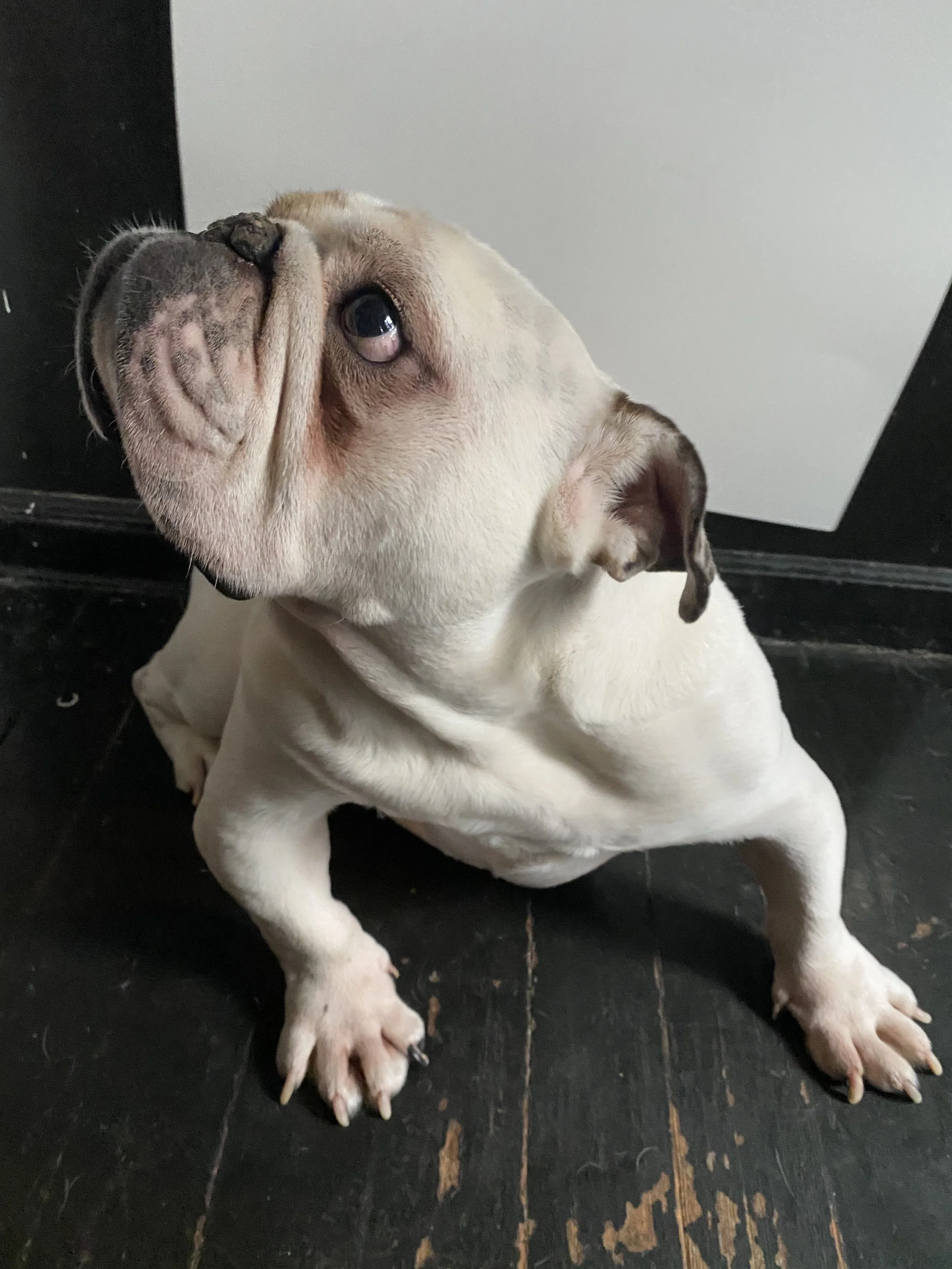
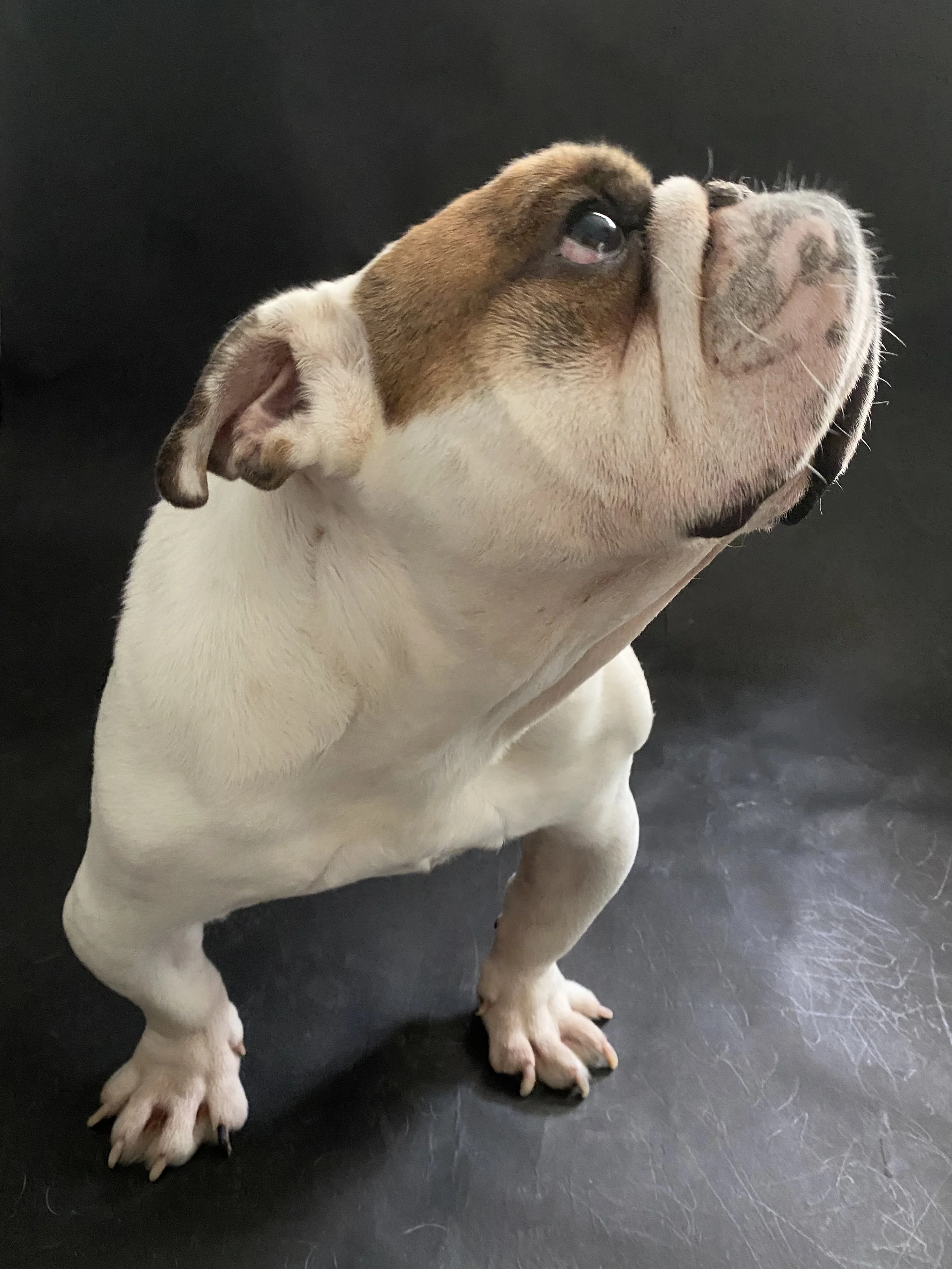
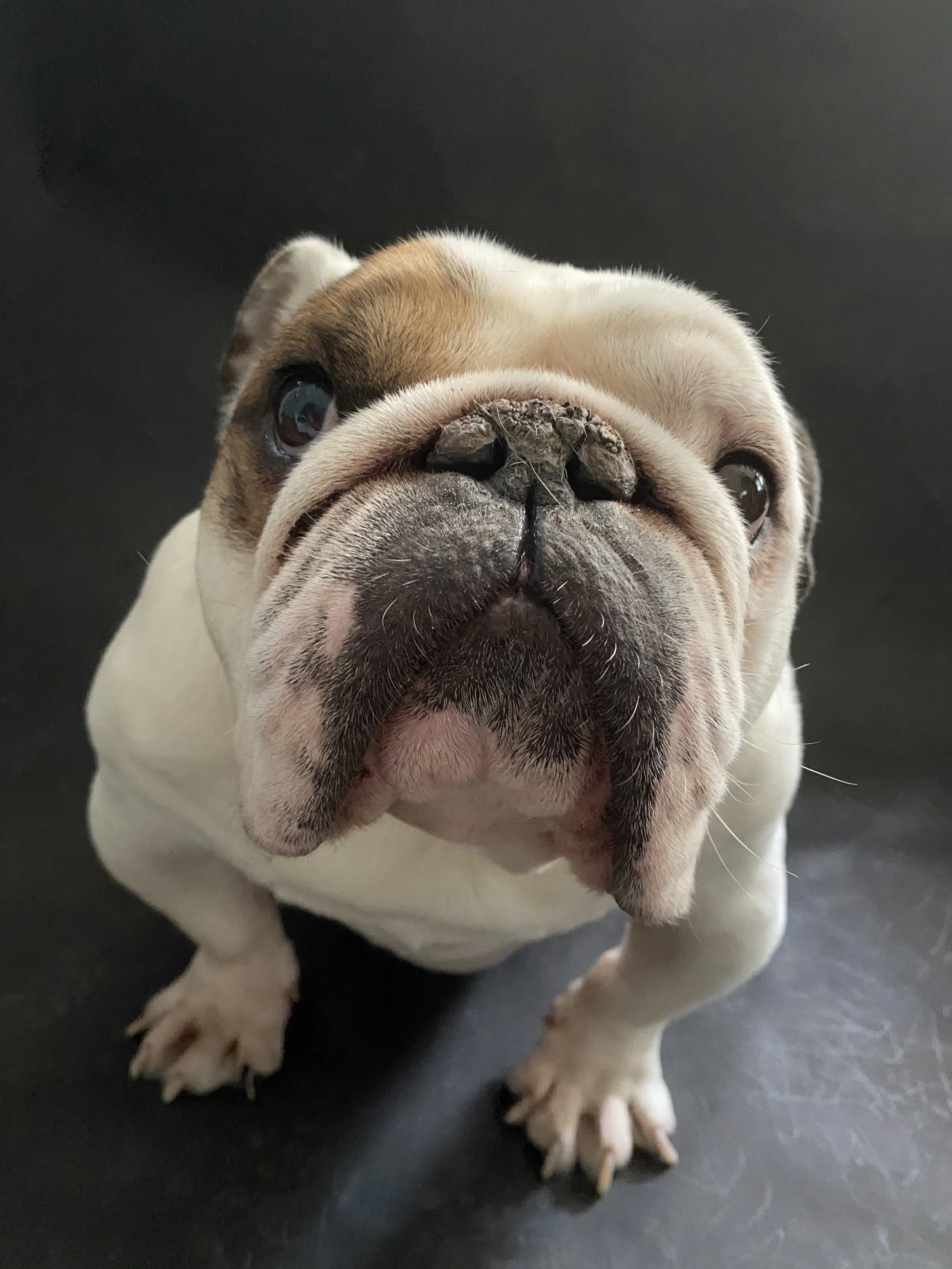
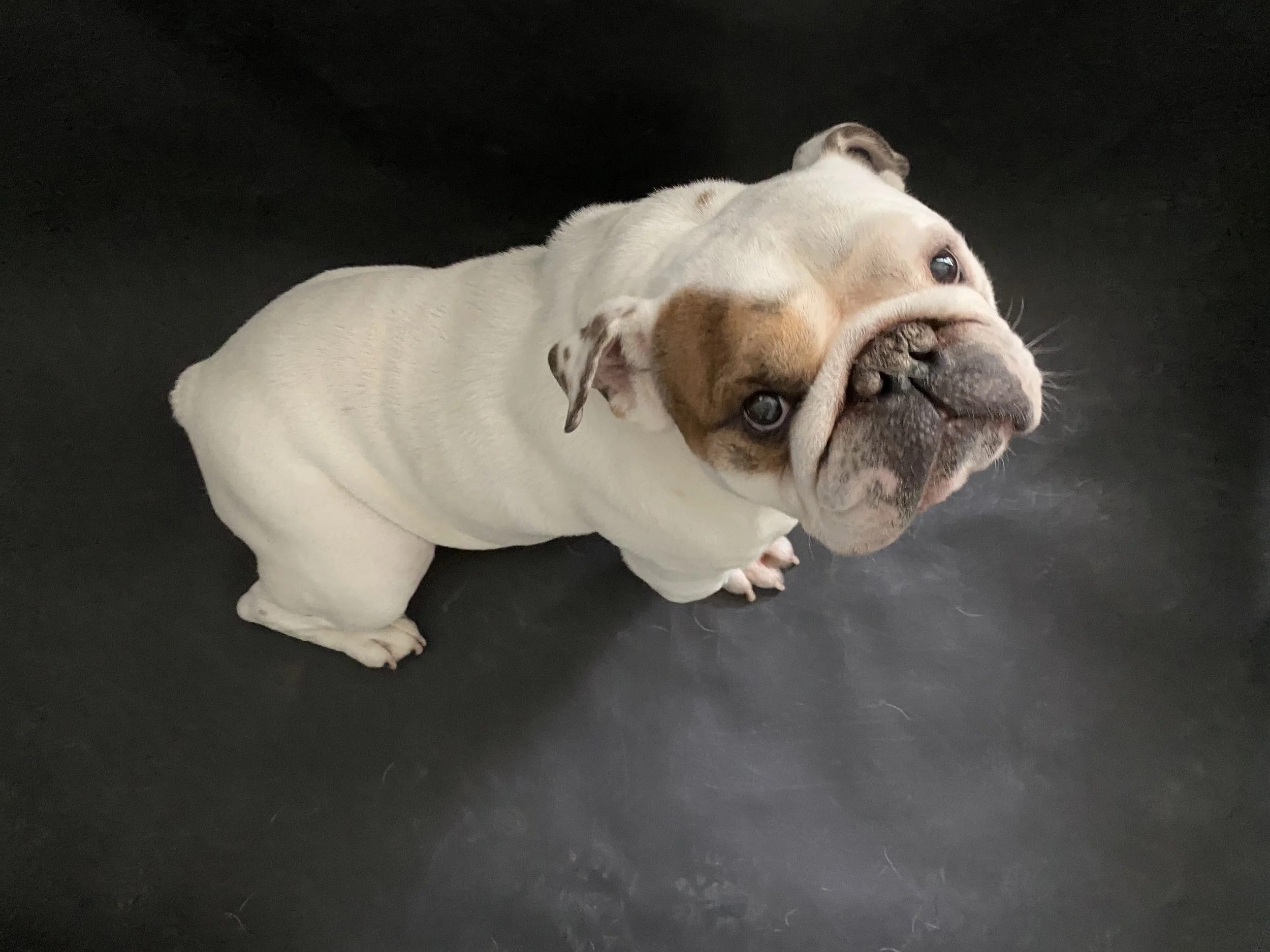
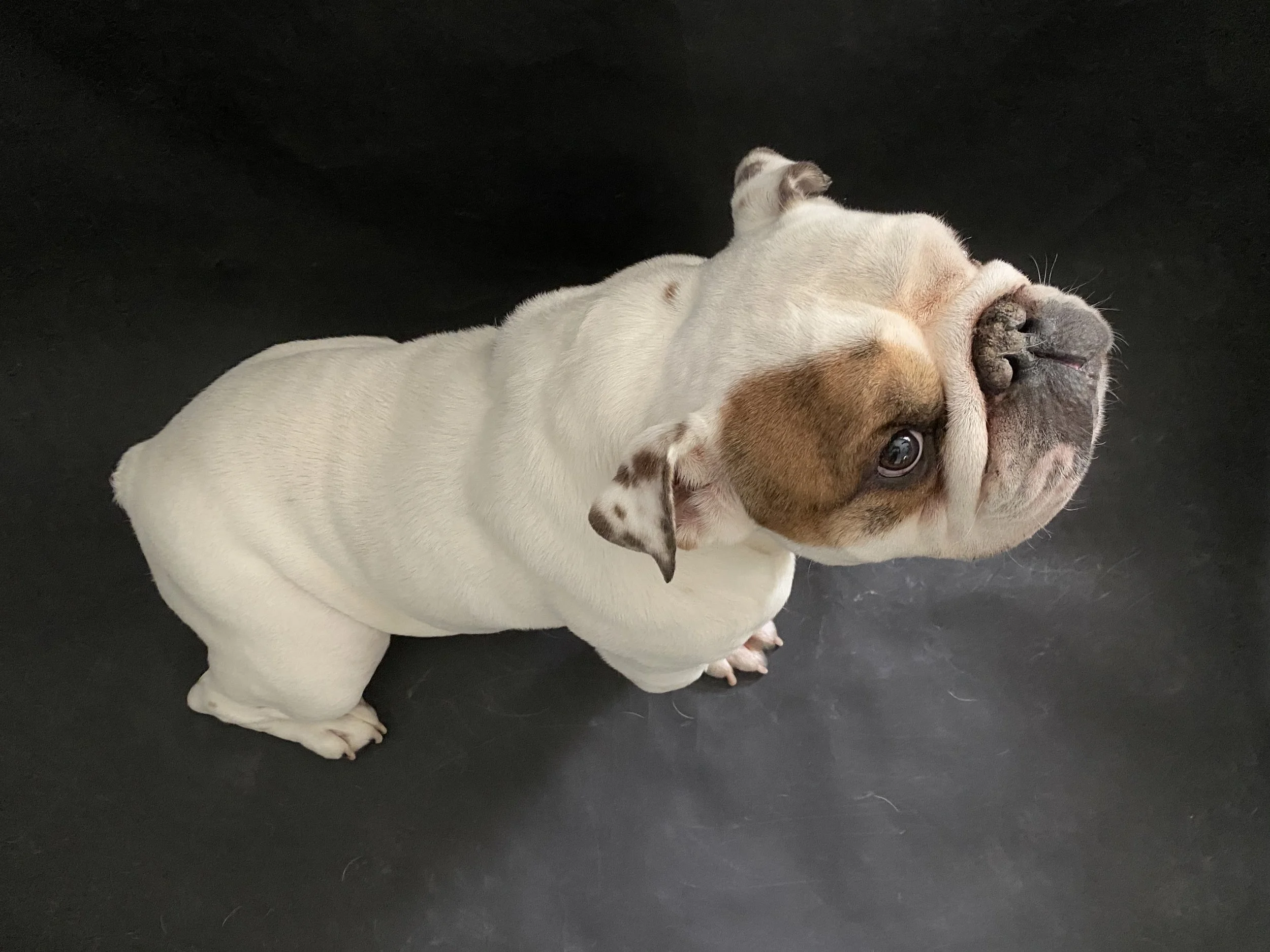
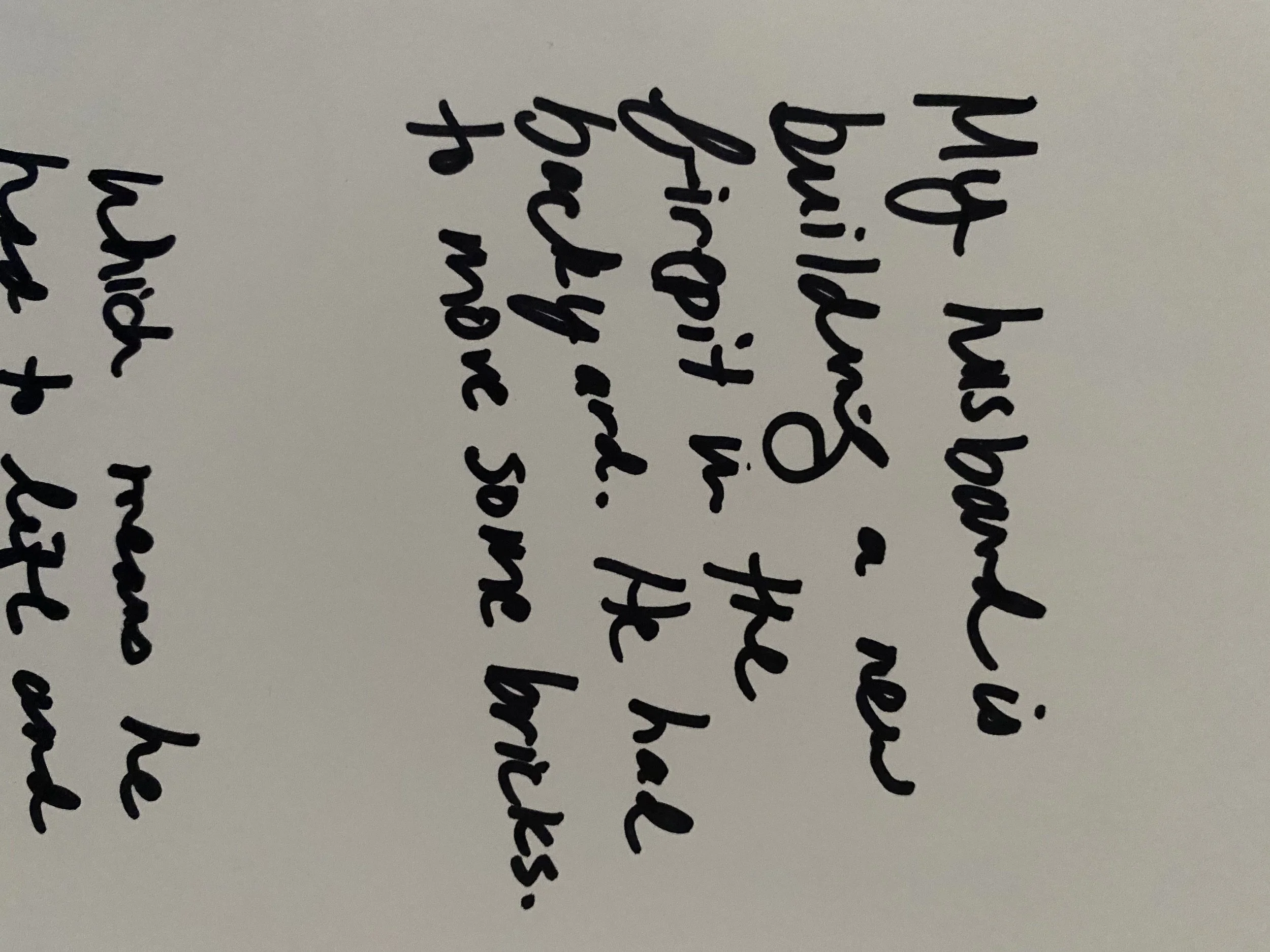
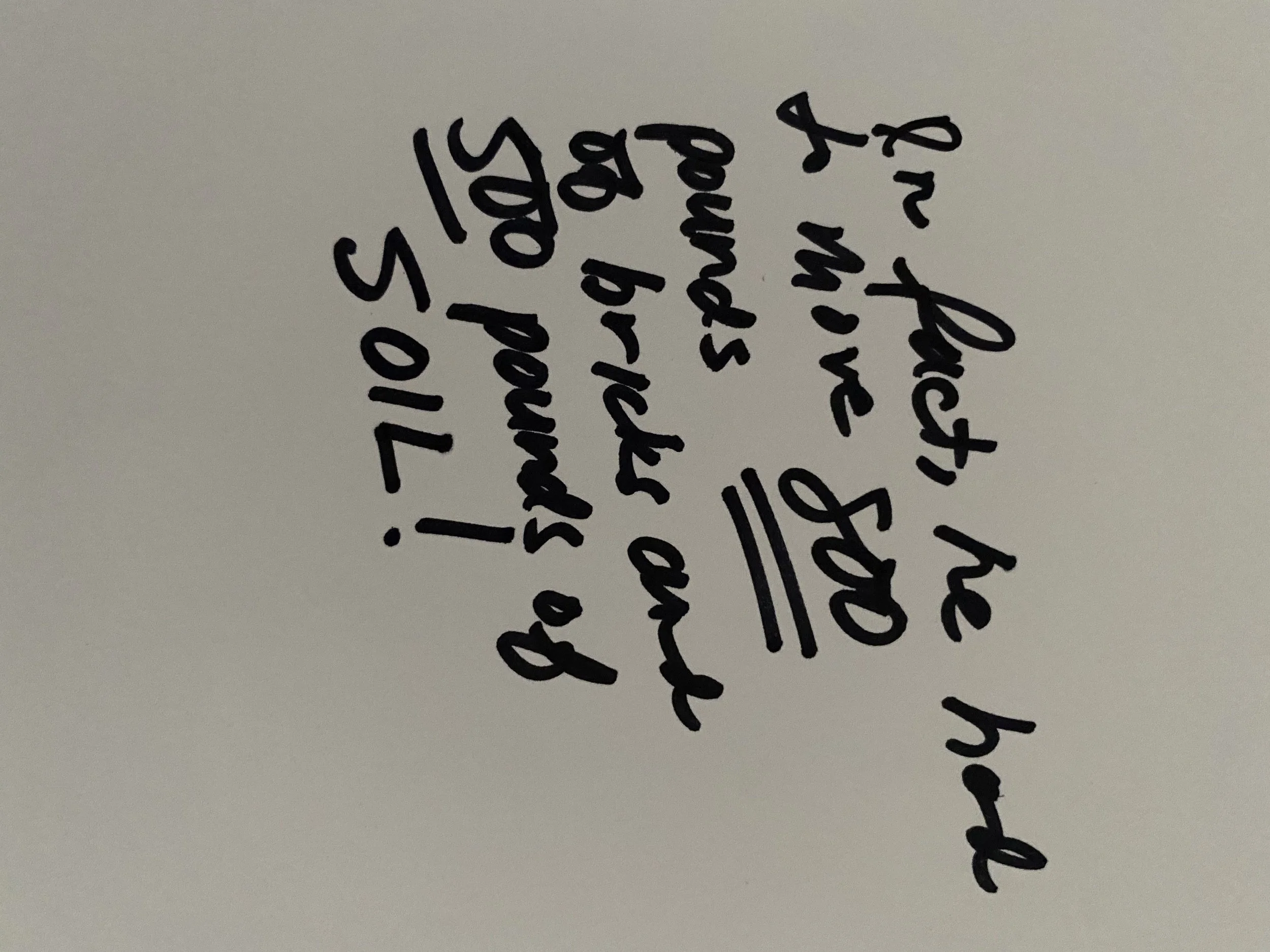
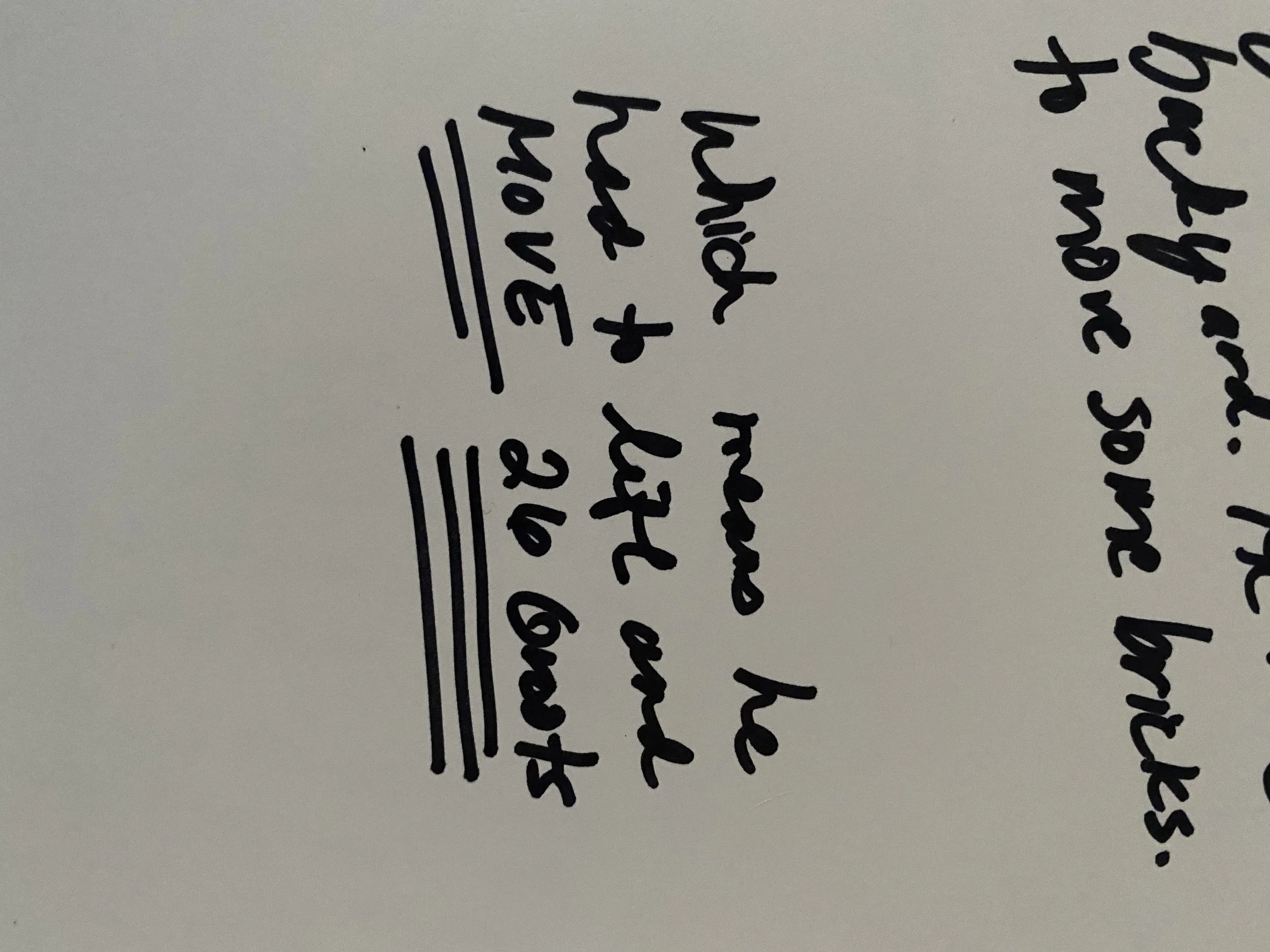
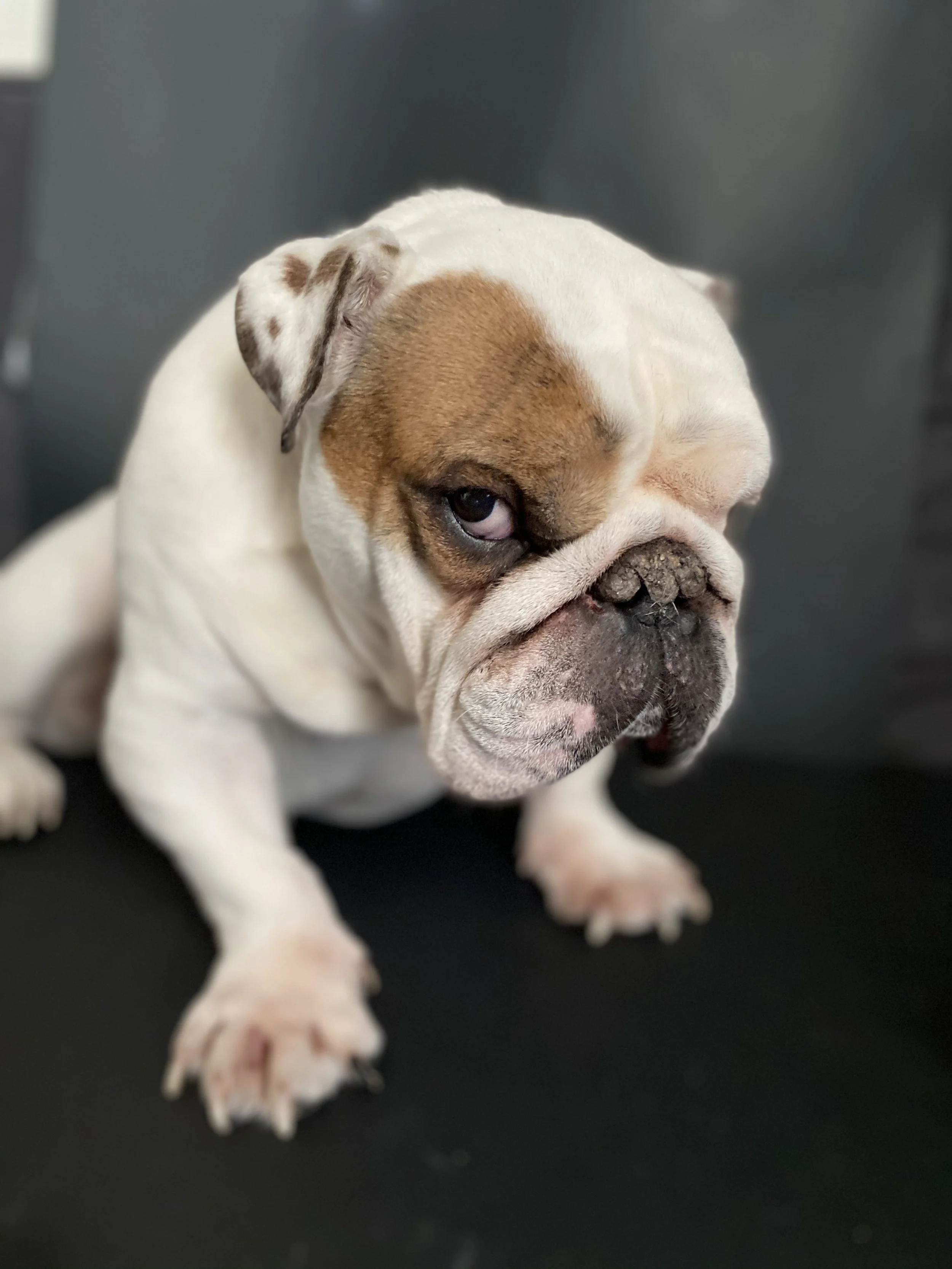
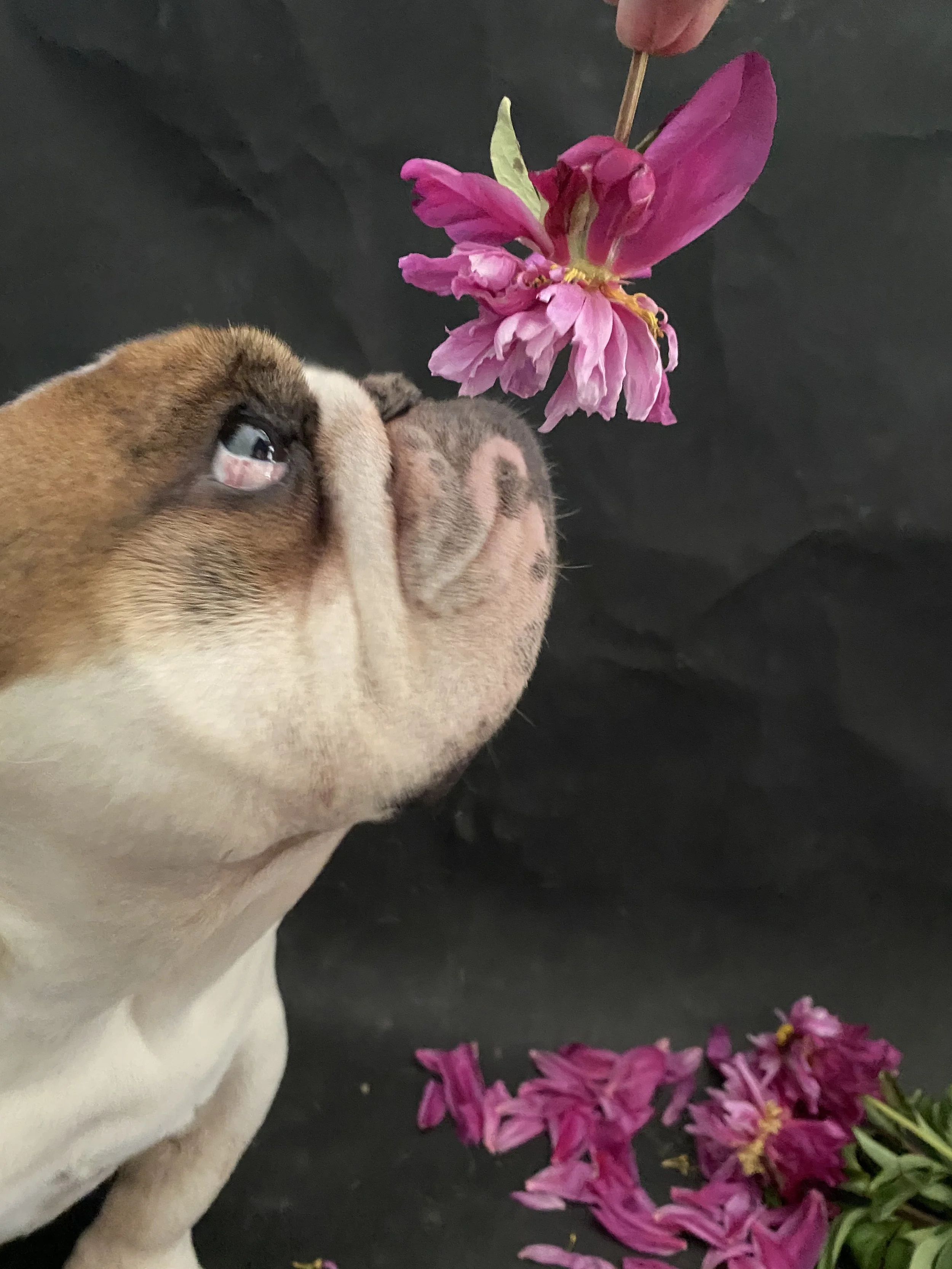
This challenge isn’t about polish, perfection or output. It was about permission—to explore, to respond, to make without overthinking. Some days it made sense. Some days it didn’t. None of that mattered. What mattered was the act of making. Which is what I did. Every day I would make something using the same subject matter, the dog that represented a visual documentation of the moments my family was experiencing. And it took real collaboration to recreate these moments. Working with an animal, to findings props and making backgrounds, From masks to missed events, boredom and laughter, and for months little moments of our lives reflected in that day’s topic. Some days it could be trying to get the dog to look like he is playing scrabble ( it sort of worked) to
making e animating gifs. Illustrations, videos, infographics, it almost seemed endless what you could do. And mostly, what it did was take us out of the moment and bring us all together in a better one. Where creativity and family and friends from near and far would reach out every day to let me know how much joy they would get seeing what he was up to as his journey was all of ours.